

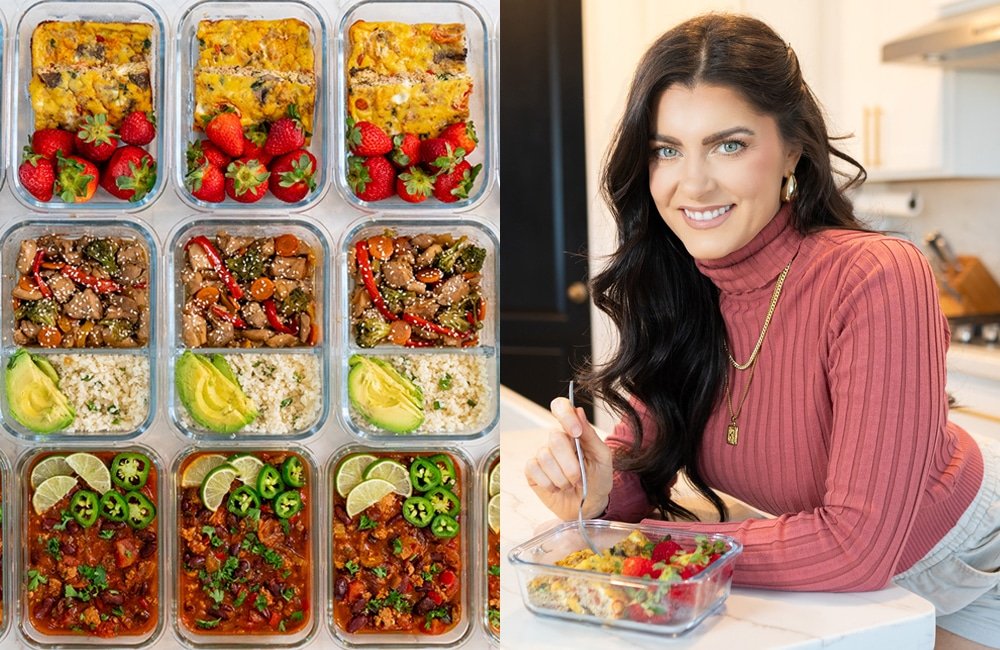
Building muscle takes more than spending time in the gym. Your body also needs enough protein, balanced nutrition, adequate rest, and consistent eating habits to support muscle growth and recovery. However, preparing nutritious meals every day can be challenging when you have a busy schedule.
High protein muscle meal prep makes healthy eating easier by helping you prepare protein-rich meals in advance. Instead of deciding what to eat at the last minute, you can keep balanced meals ready for breakfast, lunch, dinner, and snacks. This approach can save time, reduce unnecessary food spending, and make it easier to meet your daily nutritional goals.
Whether you are a beginner at the gym, an experienced lifter, or simply trying to eat better, this guide explains how to plan, prepare, and store satisfying meals that support your fitness goals.
What Is High Protein Muscle Meal Prep?
High protein muscle meal prep involves preparing meals ahead of time using protein-rich ingredients and other foods that support an active lifestyle. These meals usually combine protein sources with carbohydrates, healthy fats, vegetables, and fruit.
Protein provides amino acids that help repair and build muscle tissue after exercise. Carbohydrates supply energy for training and replenish muscle glycogen, while dietary fats support normal body functions and help the body absorb certain vitamins.
Meal preparation does not automatically build muscle, but it can make a consistent eating routine easier to maintain.
For example, cooking chicken, rice, and vegetables in advance gives you a ready-made lunch instead of relying on whatever food is available during a busy workday.
The goal is not to eat the same meal every day. It is to create a practical system that fits your schedule, food preferences, budget, and training routine.
Best High-Protein Foods for Muscle Growth
Choosing versatile protein sources is one of the easiest ways to improve your meal prep routine. Different foods provide different nutrients, so including a variety of options can help keep your meals balanced.
| Food | Approximate protein per serving |
| Chicken breast, cooked (100 g) | 30–31 g |
| Tuna, drained (100 g) | 25–29 g |
| Salmon, cooked (100 g) | 22–25 g |
| Lean beef, cooked (100 g) | 25–27 g |
| Eggs (2 large) | 12–13 g |
| Greek yogurt, plain (170 g) | 15–18 g |
| Cottage cheese (100 g) | 11–13 g |
| Lentils, cooked (1 cup) | 17–18 g |
| Chickpeas, cooked (1 cup) | 14–15 g |
| Firm tofu (100 g) | 12–17 g |
Protein amounts are estimates and vary by brand, preparation method, and serving size. Check food labels when calculating your intake.
Animal-Based Protein Sources
Chicken, fish, eggs, lean beef, yogurt, and cottage cheese are convenient options for people who include animal products in their diets. They can be used in different meals, making weekly preparation easier.
Chicken works well with rice bowls, wraps, and salads. Eggs are useful for breakfast, while fish can provide both protein and beneficial fats, depending on the variety.
Plant-Based Protein Sources
Plant-based foods can also support muscle development. Lentils, beans, chickpeas, tofu, tempeh, and soy products are practical choices for vegetarian and vegan meal plans.
Combining legumes with grains throughout the day can help provide a varied range of amino acids. You do not need to combine specific plant proteins at every meal as long as your overall diet provides enough protein and essential amino acids.
Easy High Protein Muscle Meal Prep Ideas
The best meal prep recipes are simple, affordable, and easy to customize. Choose meals that you enjoy eating and can prepare using ingredients available in your local grocery store.
1. Chicken and Rice Meal Prep Bowls
Chicken and rice bowls are a popular choice because they provide protein, carbohydrates, and room for plenty of vegetables.
Ingredients:
- 150 g cooked chicken breast
- 1 cup cooked brown or white rice
- 1 cup mixed vegetables
- 1 teaspoon olive oil
- Garlic, black pepper, paprika, and lemon juice
Preparation:
Season the chicken and cook it thoroughly in a pan or oven. Prepare the rice separately and steam or sauté the vegetables. Divide everything into meal containers and add lemon juice or your preferred seasoning.
This meal works well for lunch or dinner. You can replace chicken with tofu or lean beef when you want variety.
2. High-Protein Egg Breakfast Boxes
Eggs provide protein and are easy to prepare in batches.
Ingredients:
- 2 large eggs
- 2 slices whole-grain bread
- ½ cup plain Greek yogurt
- One serving of fruit
Boil the eggs or prepare a vegetable omelet. Pack the eggs with whole-grain bread, yogurt, and fruit for a balanced breakfast.
For a different option, use cottage cheese or beans alongside the eggs. Keep the ingredients refrigerated until you are ready to eat.
3. Tuna and Chickpea Salad
This meal is useful when you want a lunch that requires little cooking.
Ingredients:
- 1 can of tuna, drained
- ½ cup cooked chickpeas
- Chopped cucumber and tomatoes
- A handful of leafy greens
- Lemon juice and olive oil
Combine the ingredients in a container and keep the dressing separate until serving. Tuna supplies protein, while chickpeas add more protein, carbohydrates, and fiber.
If you prefer a vegetarian meal, replace tuna with tofu or additional chickpeas.
4. Lentil and Tofu Power Bowls
Plant-based meal prep can be both filling and protein-rich.
Ingredients:
- 150 g firm tofu
- ½–1 cup cooked lentils
- 1 cup cooked quinoa or brown rice
- Broccoli or another vegetable
- Soy sauce, garlic, and spices
Cook the tofu until lightly browned, prepare the lentils and grain, and divide them into containers with the vegetables. Add a small amount of sauce for flavor.
This recipe is suitable for people who want to reduce meat consumption without overlooking their protein needs.
5. Greek Yogurt and Oatmeal Snack Pots
Snacks can help you spread protein intake throughout the day without requiring another full meal.
Mix plain Greek yogurt with oats, berries, and a small serving of nuts or seeds. Prepare individual containers for a convenient breakfast or post-workout snack.
If you need additional energy, add a banana or another piece of fruit. Adjust the portion to your appetite and overall calorie needs.
How to Build a Balanced Muscle-Building Meal
A high-protein meal should provide more than protein alone. A balanced plate can help support training performance, recovery, and general health.
Use the following components as a flexible starting point:
- Protein: Chicken, fish, eggs, tofu, beans, or dairy products.
- Carbohydrates: Rice, potatoes, oats, whole-grain bread, or quinoa.
- Vegetables: Broccoli, spinach, carrots, peppers, or leafy greens.
- Healthy fats: Olive oil, nuts, seeds, or avocado.
- Fruit: Bananas, apples, berries, or seasonal options.
Your portion sizes should reflect your body size, activity level, appetite, and goals. Someone aiming to gain weight may need larger portions, while someone trying to lose body fat may require a different energy intake.
For many healthy adults who strength train regularly, approximately 1.4–2.0 grams of protein per kilogram of body weight per day is a commonly used range for supporting muscle development. Individual needs vary, and people with certain medical conditions may need personalized advice from a qualified healthcare professional.
Spreading protein across several meals can also make it easier to meet your daily target.
A Simple 3-Day High Protein Meal Prep Plan
This sample plan provides ideas for organizing meals across three days. Adjust portion sizes and ingredients to suit your needs.
| Meal | Day 1 | Day 2 | Day 3 |
| Breakfast | Eggs and whole-grain toast | Greek yogurt and oats | Cottage cheese and fruit |
| Lunch | Chicken and rice bowl | Tuna and chickpea salad | Tofu and quinoa bowl |
| Snack | Yogurt and berries | Boiled eggs and fruit | Hummus with vegetables |
| Dinner | Salmon and potatoes | Lean beef with vegetables | Lentil curry with rice |
This plan is flexible rather than a fixed diet. Add meals or snacks according to your energy needs, and substitute ingredients based on availability, dietary preferences, and budget.
You can also use affordable staples such as lentils, eggs, beans, seasonal vegetables, and rice to prepare nutritious meals without relying on expensive specialty foods.
Tips for Successful Meal Preparation
A little organization can make meal prep easier to maintain over time.
Plan Before Shopping
Choose three or four meals for the week and write down the ingredients you need. Buying ingredients for specific recipes can reduce food waste and prevent unnecessary spending.
Prepare Ingredients in Batches
Cook a few protein sources, prepare grains, and wash or chop vegetables in one session. Store components separately if you want to combine them in different ways throughout the week.
Keep Flavors Interesting
Eating identical meals every day can become repetitive. Change sauces, herbs, spices, and vegetables to create different combinations from the same basic ingredients.
Track Protein When Necessary
If you struggle to meet your protein target, checking food labels and recording meals for a short period may help. You do not have to count every gram indefinitely; the aim is to understand your usual portions and eating patterns.
Match Meals to Your Schedule
Prepare portable lunches if you work away from home, or keep quick meals available for busy evenings. A routine that fits your daily life is more useful than a complicated plan that is difficult to follow.
How to Store High-Protein Meal Prep Safely
Proper food storage is important, especially when meals contain cooked meat, fish, eggs, or dairy products.
- Refrigerate cooked perishable foods within two hours of cooking, or within one hour when temperatures exceed 90°F (32°C).
- Keep your refrigerator at 40°F (4°C) or below.
- Use most cooked leftovers within three to four days when refrigerated properly.
- Freeze meals you do not expect to eat within that period.
- Reheat leftovers to an internal temperature of 165°F (74°C).
- Store meals in clean, sealed containers and label them with preparation dates.
If a meal has been left at room temperature for too long, do not rely on smell or appearance to determine whether it is safe to eat.
Frequently Asked Questions
1. What is the best meal prep food for muscle growth?
Chicken, eggs, fish, Greek yogurt, tofu, lentils, and beans are useful options. The best choice is one that provides adequate protein, fits your nutritional needs, and is convenient enough to prepare regularly.
2. How much protein should I eat to build muscle?
Protein needs depend on body weight, exercise, and individual circumstances. Many healthy adults who train regularly use a daily target of approximately 1.4–2.0 grams per kilogram of body weight. A registered dietitian can help determine a suitable target for your situation.
3. Can I build muscle with vegetarian meal prep?
Yes. Tofu, tempeh, lentils, chickpeas, beans, soy products, dairy, and eggs when included in the diet can provide protein for muscle development. Eating a variety of protein sources helps support overall nutritional needs.
4. How many days can I meal prep in advance?
For most cooked leftovers, three to four days of refrigerated storage is a practical guideline. Freeze extra portions if you want to prepare meals for a longer period.
5. Should I eat protein before or after a workout?
Both are good options. Focus on getting enough protein throughout the day to support muscle growth and recovery.
6. Is rice good for muscle growth?
Yes, rice provides carbohydrates for workout energy. Pair it with protein and vegetables for a balanced meal.
7. Can I meal prep on a limited budget?
Yes. Eggs, lentils, beans, oats, rice, and seasonal vegetables are affordable meal prep options.
8. Do I need protein supplements for muscle growth?
No. You can meet your protein needs through food. Supplements are optional when your diet falls short.
Conclusion
High protein muscle meal prep can make it easier to eat consistently, save preparation time, and support your fitness goals. By choosing versatile protein sources, combining them with carbohydrates and vegetables, and preparing meals in advance, you can build a routine that works with your schedule and budget.
Start with a few simple recipes, store your meals safely, and adjust portions to your needs. Consistency matters more than complicated recipes or perfect meal plans. Combined with progressive strength training, adequate sleep, and balanced nutrition, a practical meal prep routine can help you work toward stronger muscles and better long-term eating habits.
Learn About: Healthy Lifestyle and Eating
