

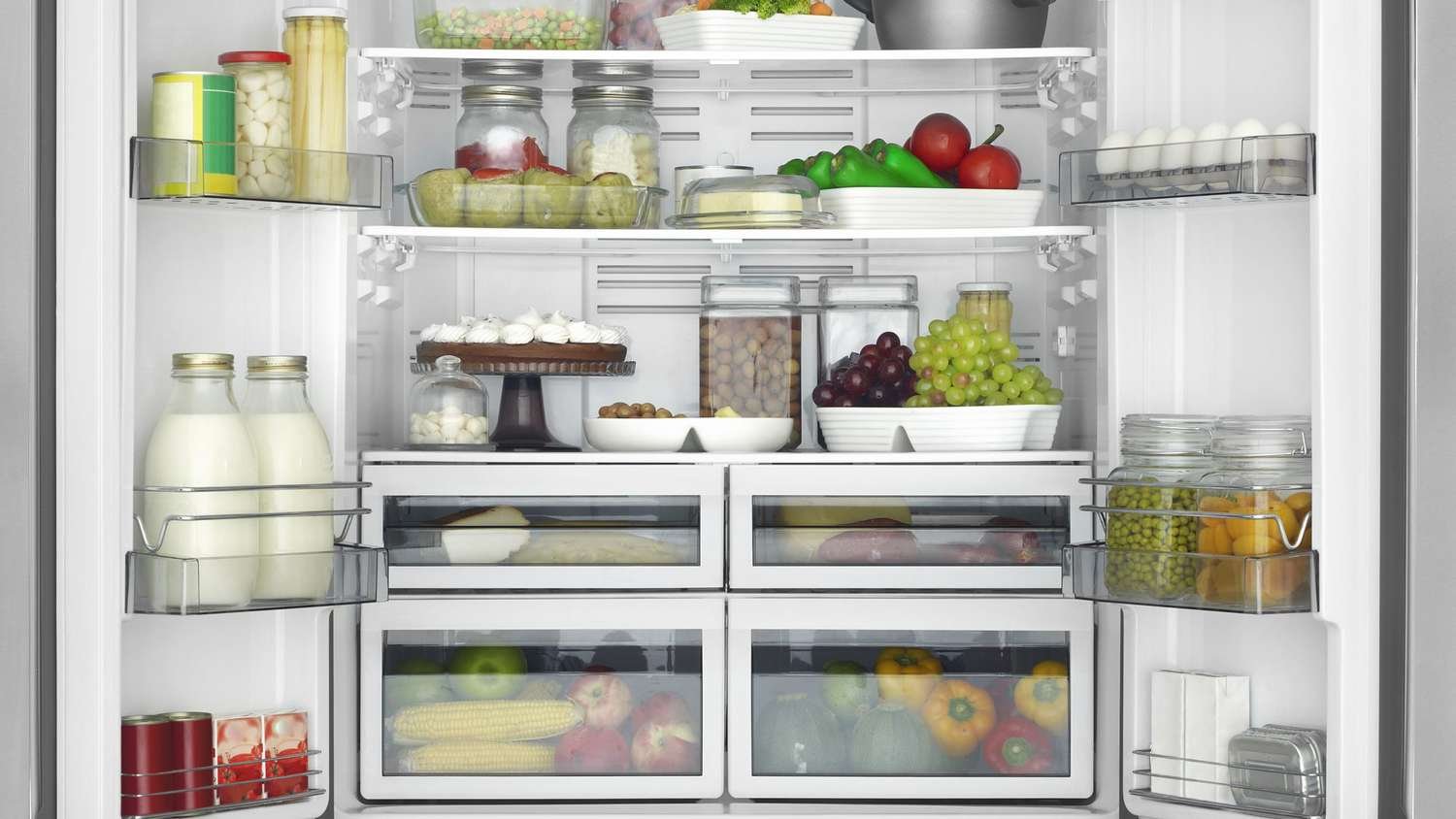
Refrigerated foods are an essential part of everyday life. From fresh milk and vegetables to cooked meals, cheese, meat, and leftovers, many foods need refrigeration to maintain their quality and reduce the risk of foodborne illness. Keeping these items at the right temperature helps slow the growth of harmful bacteria and delays spoilage.
However, refrigeration does not make food last forever. Different foods have different storage requirements, and some products need to be consumed sooner than others. Understanding which foods belong in the refrigerator, how to organize them, and when to discard them can help households reduce food waste and handle food more safely.
This guide explains the main types of refrigerated foods, proper storage methods, recommended temperatures, and common mistakes to avoid.
What Are Refrigerated Foods?
Refrigerated foods are food products that are kept at a low temperature to preserve freshness, quality, and safety. Refrigeration slows the growth of many microorganisms and reduces the speed of chemical and enzymatic changes that can affect taste, texture, and appearance.
Common examples include milk, yogurt, fresh meat, fish, eggs, cut fruit, prepared salads, and cooked leftovers. Some packaged products also require refrigeration after opening, even if they were originally stored at room temperature.
It is important to distinguish refrigerated foods from frozen foods. Refrigeration keeps food cold without freezing it, while freezing stores food at a much lower temperature to preserve it for longer periods.
Common Types of Refrigerated Foods
Different food categories have different storage needs. Knowing how to handle each type makes it easier to maintain quality and avoid unnecessary waste.
1. Dairy Products
Dairy products are among the most common refrigerated foods. These include milk, cream, yogurt, soft cheese, cottage cheese, and many other fresh dairy items.
To keep dairy products in good condition:
- Store them at a consistent refrigerator temperature of 40°F (4°C) or below.
- Keep milk and other perishables refrigerated after use.
- Follow the package instructions for storage and use after opening.
- Keep containers tightly closed to prevent contamination and unwanted odors.
Some hard cheeses may have different storage requirements, so check the product label for specific instructions.
2. Fresh Meat and Poultry
Raw meat and poultry require careful handling because they can carry harmful bacteria. Examples include chicken, beef, lamb, pork, and ground meat.
Store raw meat in sealed containers or leak-proof packaging on the lowest refrigerator shelf. This prevents juices from dripping onto ready-to-eat foods.
As a general guideline, raw poultry, ground meat, and many fresh cuts of meat should be used or frozen within one to two days. Larger cuts such as beef, lamb, and pork roasts or steaks may generally last three to five days when properly refrigerated.
Always follow official food-safety guidance and product-specific instructions.
3. Fish and Seafood
Fresh fish and seafood are highly perishable and need prompt refrigeration. This category includes salmon, tuna, prawns, shrimp, and other seafood products.
Keep seafood in its original packaging if suitable or place it in a clean, covered container. Store it in the coldest part of the refrigerator and use it promptly.
Raw fish and shellfish generally should be cooked or frozen within one to two days. Avoid seafood that has been left at room temperature for too long, and never rely on smell alone to determine whether it is safe.
4. Fruits and Vegetables
Many fruits and vegetables benefit from refrigeration, including berries, leafy greens, broccoli, carrots, grapes, and cut melon.
Refrigeration helps preserve the freshness of delicate produce and slows deterioration. However, not every fruit or vegetable belongs in the refrigerator. Whole bananas, uncut mangoes, and unripe avocados are often best kept at room temperature until ripe.
For better storage:
- Keep produce in clean refrigerator drawers.
- Separate damaged or spoiled pieces from fresh produce.
- Refrigerate cut fruits and vegetables promptly.
- Wash produce under running water before preparing or eating it.
Avoid washing most produce long before storage unless you can dry it thoroughly, as excess moisture may encourage spoilage.
5. Eggs and Egg-Based Foods
Eggs, especially those sold refrigerated, should be kept cold and handled according to local food-safety recommendations. Store them in their carton to protect them and help maintain their quality.
Foods made with eggs, such as homemade mayonnaise, custards, and egg salads, also require careful temperature control. Prepared egg dishes should be refrigerated promptly and kept covered.
Hard-boiled eggs can generally be stored in the refrigerator for up to one week when handled properly.
6. Cooked Meals and Leftovers
Cooked rice, pasta, soups, curries, roasted vegetables, and other prepared meals are common refrigerated foods.
Refrigerate leftovers within two hours of cooking, or within one hour when the surrounding temperature is above 90°F (32°C). Divide large quantities into shallow containers so they cool more quickly.
Most cooked leftovers should be eaten within three to four days when refrigerated at 40°F (4°C) or below. Reheat leftovers to an internal temperature of 165°F (74°C), checking the temperature with a food thermometer when possible.
7. Packaged and Ready-to-Eat Foods
Many packaged products require refrigeration, including deli meats, prepared salads, fresh pasta, hummus, opened sauces, and ready-to-eat meals.
Check the product label for storage instructions, expiration dates, and guidance after opening. Some products remain safe at room temperature until opened, while others must be refrigerated immediately.
What Is the Correct Temperature for Refrigerated Foods?
The refrigerator should be maintained at 40°F (4°C) or below to help slow the growth of harmful bacteria. A refrigerator thermometer is useful because the temperature displayed by a control dial may not accurately reflect the actual internal temperature.
| Food category | General storage guidance |
| Milk and yogurt | Keep at 40°F (4°C) or below |
| Raw poultry and ground meat | Refrigerate promptly; generally use within 1–2 days |
| Fresh fish and seafood | Refrigerate promptly; generally use within 1–2 days |
| Steaks and roasts | Generally use within 3–5 days |
| Cooked leftovers | Generally use within 3–4 days |
| Hard-boiled eggs | Up to 1 week |
| Cut fruits and vegetables | Refrigerate promptly in covered containers |
These timeframes are general recommendations, not guarantees. Product labels, local guidance, handling conditions, and the food’s condition can affect storage decisions.
How to Store Refrigerated Foods Properly
Good refrigerator organization helps protect food quality and reduce the risk of cross-contamination.
Keep Raw Foods Separate
Raw meat, poultry, and seafood should be stored in sealed containers on the lowest shelf. Keep them away from cooked food, fresh produce, and ready-to-eat items.
Avoid Overloading the Refrigerator
Cold air needs room to circulate. An overcrowded refrigerator may cool unevenly, potentially allowing some foods to reach unsafe temperatures.
Use Airtight Containers
Covered containers help prevent spills, limit exposure to air, and reduce the transfer of odors between foods. Label leftovers with the date they were prepared so you can track how long they have been stored.
Follow First-In, First-Out Storage
Use older products before newer ones when they remain safe to eat. Place recently purchased items behind older products so that food does not get forgotten at the back of the refrigerator.
Close the Door Promptly
Frequent or prolonged door opening allows warm air to enter. Keep the door closed as much as possible to maintain a stable temperature.
How Long Can Refrigerated Foods Stay Fresh?
There is no single shelf life for all refrigerated foods. Fresh meat, seafood, dairy products, produce, and cooked meals spoil at different rates.
Several factors influence how long food remains suitable for consumption:
- The original freshness and quality of the food.
- The temperature at which it is stored.
- Whether it has been handled safely.
- Whether the packaging has been opened.
- The instructions printed on the product label.
Always distinguish between a product’s quality date and food-safety guidance. A food may look and smell normal but still contain harmful microorganisms. When perishable food has been stored improperly or left out too long, discarding it is safer than tasting it.
Common Mistakes to Avoid When Refrigerating Food
Even when a refrigerator is available, improper handling can shorten food’s usable life and increase food-safety risks.
Leaving food out too long: Refrigerate perishable food promptly instead of allowing it to cool completely on the counter.
Putting hot food in large, deep containers: Large portions cool slowly. Divide food into smaller, shallow containers to speed cooling.
Ignoring refrigerator temperature: Check the actual temperature with a refrigerator thermometer rather than relying only on the settings.
Mixing raw and cooked foods: Keep raw ingredients separate from ready-to-eat foods to prevent cross-contamination.
Keeping food indefinitely: Refrigeration slows spoilage but does not stop it. Follow recommended storage times and package instructions.
Using smell as the only safety test: Harmful bacteria may be present without obvious changes in smell, taste, or appearance.
Frequently Asked Questions About Refrigerated Foods
1. What foods should always be refrigerated?
Perishable foods such as fresh meat, poultry, fish, milk, many dairy products, cooked leftovers, and prepared salads generally require refrigeration. Certain products also need refrigeration after opening. Follow the label and local food-safety recommendations.
2. What temperature should a refrigerator be?
Keep your refrigerator at 40°F (4°C) or below. A thermometer helps confirm that the appliance is maintaining a safe temperature.
3. How long can cooked food stay in the refrigerator?
Most cooked leftovers can generally be stored for three to four days at 40°F (4°C) or below. Refrigerate them promptly in shallow, covered containers.
4. Can refrigerated food go bad?
Yes. Refrigeration slows bacterial growth and spoilage but does not prevent them completely. Food can become unsafe if stored for too long or exposed to unsuitable temperatures.
5. Should all fruits and vegetables be refrigerated?
No. Many fruits and vegetables benefit from refrigeration, but some are best kept at room temperature until ripe. Cut fruits and vegetables should be refrigerated promptly.
6. Can you refrigerate food while it is still warm?
Yes. You do not need to wait until food reaches room temperature. Divide large portions into shallow containers and refrigerate them promptly to help them cool safely.
7. Is it safe to eat food that smells normal but has been stored incorrectly?
Not necessarily. Harmful bacteria do not always produce noticeable changes in smell, taste, or appearance. If perishable food has been left at unsafe temperatures for too long, discard it.
8. Does refrigeration kill bacteria?
Refrigeration generally slows the growth of many bacteria rather than killing them. Proper cooking, safe handling, and correct storage are all important for food safety.
Conclusion
Refrigerated foods play an important role in everyday meal preparation, food preservation, and household planning. Dairy products, meat, seafood, fresh produce, and cooked leftovers all benefit from appropriate storage, but each category has its own requirements.
Keeping the refrigerator at 40°F (4°C) or below, separating raw and ready-to-eat foods, using airtight containers, and following recommended storage times can help maintain food quality and reduce food-safety risks. With a few consistent habits, you can keep refrigerated foods better organized, waste less food, and make safer choices for your household.
Learn About: Canadian Food Safety Certificates
