

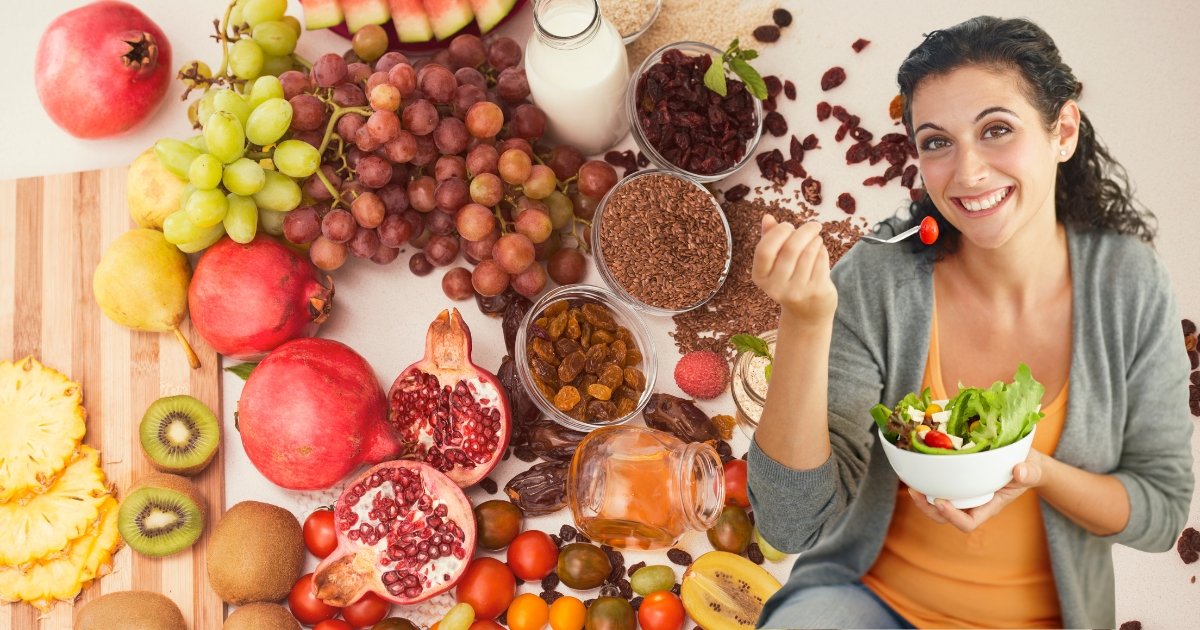
A healthy lifestyle and eating plan combines balanced nutrition, regular physical activity, sufficient sleep, hydration, stress management, and sustainable daily habits. The goal is not perfection but creating routines that support long-term health and well-being.
What Does a Healthy Lifestyle and Eating Mean?
A healthy lifestyle and eating approach is about more than following a strict diet. It involves making everyday choices that support physical health, mental well-being, energy, and quality of life.
Healthy living can include eating a variety of nutritious foods, staying physically active, getting enough sleep, drinking adequate fluids, managing stress, and maintaining routines that are realistic for your lifestyle.
The most effective approach is usually one that you can maintain over time. Instead of trying to change everything at once, focus on practical improvements such as adding more vegetables to meals, choosing nutritious snacks, walking regularly, and developing a consistent sleep schedule.
Why Healthy Eating Matters
Food provides the nutrients and energy the body needs to function. A varied diet can help provide important nutrients such as protein, carbohydrates, healthy fats, vitamins, minerals, and fiber.
Healthy eating does not mean eliminating specific foods completely. Instead, it generally means building most meals around nutritious choices while keeping highly processed foods and foods high in added sugars, sodium, or unhealthy fats more limited.
A balanced eating pattern can also make everyday meals more satisfying. Meals that combine protein, fiber-rich carbohydrates, vegetables or fruit, and healthy fats can provide a useful combination of nutrients.
Build a Balanced Plate
One simple way to improve everyday meals is to think about balance rather than calories alone.
A practical plate can include:
- Vegetables and fruits: Add variety by choosing different colors and types.
- Protein: Include foods such as eggs, fish, poultry, beans, lentils, yogurt, or other protein-rich options.
- Whole grains or other high-fiber carbohydrates: Options can include oats, brown rice, whole-grain bread, and other minimally processed grains.
- Healthy fats: Nuts, seeds, avocados, and certain plant oils can contribute healthy fats to meals.
- Fluids: Water is an important part of daily hydration.
The exact amount of each food group can vary depending on age, activity level, dietary needs, and individual circumstances. The important principle is to create variety and nutritional balance rather than relying heavily on one type of food.
Choose Foods That Support Everyday Health
You do not need expensive or unusual ingredients to eat well. Many nutritious foods are simple, widely available, and easy to include in regular meals.
Eat More Fruits and Vegetables
Fruits and vegetables provide fiber and a range of vitamins, minerals, and other beneficial compounds. Try adding fruit to breakfast, keeping washed fruit available for snacks, or including vegetables in lunch and dinner.
Fresh, frozen, and appropriately prepared canned options can all be useful depending on availability and preference.
Include Enough Protein
Protein plays an important role in maintaining and repairing body tissues. Include a protein source in regular meals, such as eggs, beans, lentils, fish, chicken, yogurt, or nuts and seeds.
Choosing different protein sources throughout the week can also add variety to your diet.
Prefer High-Fiber Foods
Fiber is found in foods such as vegetables, fruits, beans, lentils, whole grains, nuts, and seeds. Including a variety of fiber-rich foods can make meals more filling while contributing to a balanced diet.
If you are increasing your fiber intake, doing so gradually and drinking enough fluids can make the transition easier.
Limit Highly Processed Foods
Processed foods are not automatically unhealthy, and they can sometimes be convenient. However, diets that frequently rely on foods high in added sugars, sodium, or saturated fat may make it harder to maintain a balanced eating pattern.
A useful approach is to make nutritious whole or minimally processed foods the foundation of most meals while enjoying other foods in moderation.
Healthy Eating Habits That Are Easy to Maintain
Healthy eating becomes easier when it fits naturally into your routine.
Plan Some Meals in Advance
Planning a few meals before shopping can help reduce last-minute decisions. Keep basic ingredients available for simple meals, such as vegetables, fruit, eggs, beans, whole grains, yogurt, and lean protein sources.
Pay Attention to Portions
Portion needs differ from person to person. Rather than following an identical portion size for every meal, pay attention to hunger, fullness, and the nutritional composition of your food.
Eating slowly can also make it easier to notice when you are comfortably full.
Make Healthy Choices Convenient
Keep nutritious foods easy to reach. For example, washed fruit, yogurt, nuts, or prepared vegetables can make practical snacks when you are hungry.
Small environmental changes can make healthy decisions easier without requiring constant willpower.
Physical Activity and Daily Movement
Healthy eating is only one part of a healthy lifestyle. Regular physical activity can support cardiovascular health, muscle strength, mobility, and overall well-being.
Exercise does not always have to mean going to a gym. Walking, cycling, swimming, dancing, household activities, recreational sports, and strength exercises can all contribute to an active lifestyle.
If you spend much of the day sitting, adding short periods of movement throughout the day can be a practical starting point.
The right activity level depends on individual circumstances. People who are new to exercise can begin gradually and increase activity as their fitness and comfort improve.
Sleep, Hydration, and Stress Management
Nutrition and exercise receive a lot of attention, but other daily habits matter too.
Prioritize Quality Sleep
Consistent, adequate sleep supports many aspects of health and daily functioning. Creating a regular bedtime routine, keeping a consistent sleep schedule, and reducing unnecessary distractions before bed may help support better sleep habits.
Stay Hydrated
Water is essential for normal body functions. Individual fluid needs vary depending on factors such as activity, environment, diet, and health. Drinking water regularly throughout the day is a simple way to support hydration.
Manage Everyday Stress
Stress is a normal part of life, but ongoing stress can affect overall well-being. Helpful strategies may include regular physical activity, spending time outdoors, maintaining social connections, practicing relaxation techniques, or making time for enjoyable activities.
There is no single stress-management method that works for everyone. Finding a realistic routine is more useful than trying to follow a perfect one.
How to Make Healthy Habits Last
One of the biggest challenges with healthy living is consistency. Very restrictive plans may be difficult to maintain, especially when they require major changes to normal routines.
Instead, focus on small improvements.
For example:
- Add one extra serving of vegetables to a meal.
- Replace sugary drinks with water more often.
- Take a daily walk.
- Prepare meals at home more frequently.
- Keep nutritious snacks available.
- Set a regular bedtime.
- Reduce long periods of uninterrupted sitting.
- Make gradual changes instead of attempting everything at once.
A healthy lifestyle should also allow flexibility. Missing a workout or eating a less nutritious meal does not mean you have failed. The next meal or the next day provides another opportunity to return to your usual habits.
Frequently Asked Questions
What is a healthy lifestyle and eating?
A healthy lifestyle and eating approach combines balanced nutrition with regular physical activity, adequate sleep, hydration, stress management, and other habits that support overall well-being.
What should I eat for a healthy lifestyle?
Aim for a varied diet that includes vegetables, fruits, protein-rich foods, whole grains or other high-fiber carbohydrates, healthy fats, and adequate fluids. Individual nutritional needs can vary.
Can I eat unhealthy food and still have a healthy lifestyle?
A healthy lifestyle does not require perfection. Many people can include less nutritious foods occasionally while making nutritious foods the foundation of their overall eating pattern.
How can I start eating healthier?
Start with one or two manageable changes. You might add more vegetables to meals, choose fruit instead of a highly processed snack, drink more water, or prepare simple meals at home.
Is exercise necessary for a healthy lifestyle?
Regular physical activity is an important part of overall health. The type and amount of activity can vary depending on individual needs, abilities, and circumstances.
How important is sleep for healthy living?
Sleep is an important part of overall well-being. Maintaining a consistent sleep routine and allowing enough time for quality sleep can support daily functioning and general health.
How long does it take to develop healthy habits?
There is no universal timeline. Habits develop through repeated behavior, and the time required can vary between individuals. Starting with realistic changes can make consistency easier.
Is a healthy lifestyle expensive?
It does not have to be. Foods such as beans, lentils, eggs, seasonal vegetables, fruits, oats, and whole grains can be practical choices. Planning meals and reducing food waste can also help manage costs.
Conclusion
Healthy lifestyle and eating habits are built through consistent everyday choices rather than extreme diets or short-term challenges. A balanced diet, regular movement, sufficient sleep, hydration, and effective stress management can all contribute to a healthier routine.
The key is to choose changes that fit your circumstances and can be maintained over time. Start small, focus on balance, and gradually build routines that support your long-term well-being.
Read More About: Salmonella and Food Poisoning
