

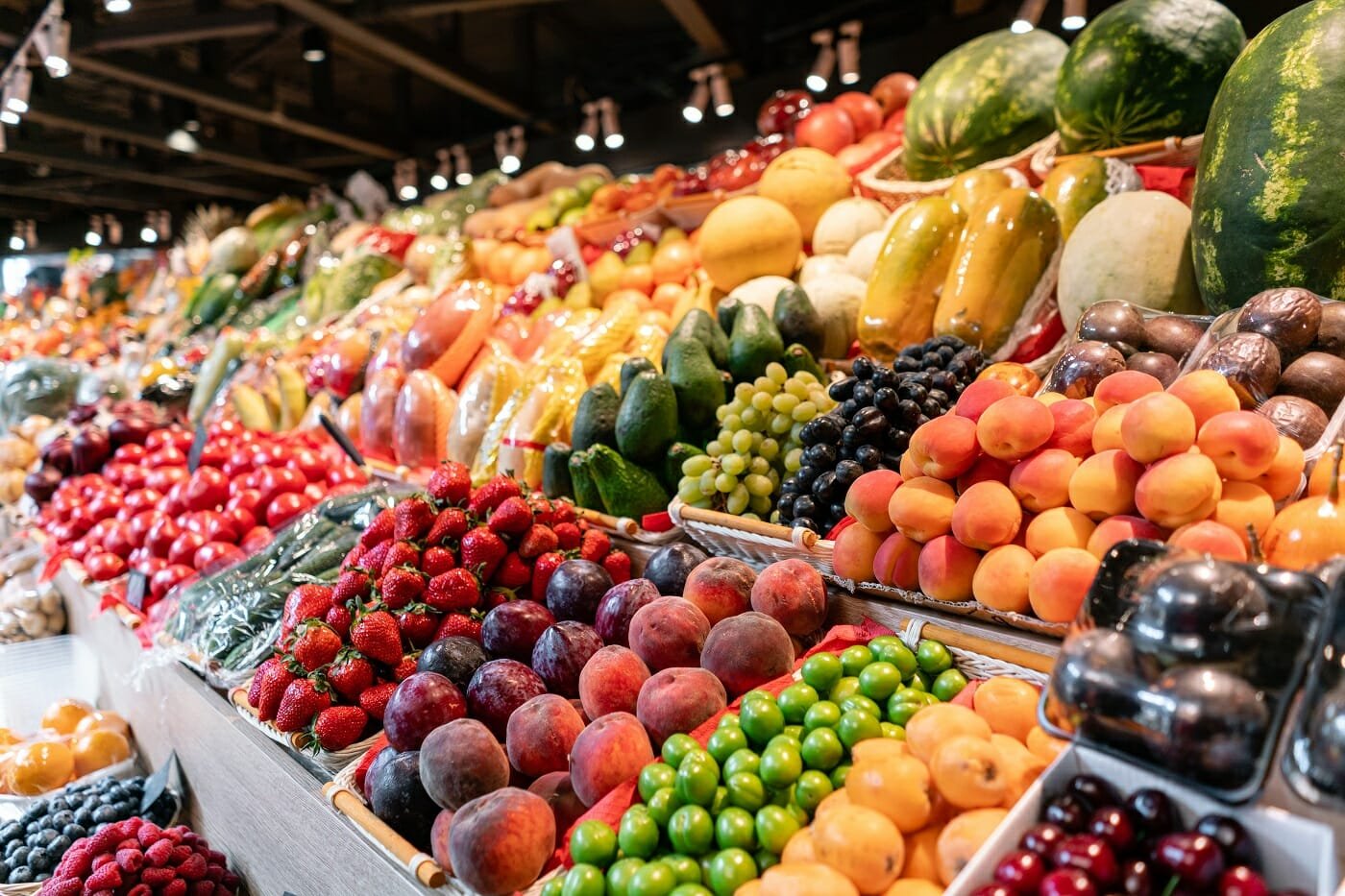
Fresh fruit is an important part of a balanced diet, offering natural sweetness, essential nutrients, dietary fiber, and refreshing flavors. From crisp apples and juicy oranges to sweet mangoes, ripe bananas, and seasonal berries, there are many ways to enjoy fruit throughout the day. Whether eaten as a quick snack, added to breakfast, blended into a smoothie, or served as a dessert, fresh fruit makes everyday meals more colorful and nutritious.
Including different types of fruit in your diet can help you obtain a wider range of vitamins, minerals, antioxidants, and fiber. The best choices depend on your personal preferences, seasonal availability, budget, and nutritional needs. Understanding how to select, prepare, and store fruit can also help you enjoy its flavor while reducing unnecessary food waste.
What Is Fresh Fruit?
Fresh fruit refers to fruit that is generally sold and consumed in its natural or minimally processed state rather than being preserved through methods such as drying or canning. It may be eaten whole, sliced, peeled, or prepared as part of a meal.
Common examples include apples, bananas, grapes, oranges, pears, peaches, mangoes, strawberries, and watermelons. Some fruits have edible skins, while others, such as pineapples and oranges, usually require peeling before eating.
Fresh fruit contains varying amounts of water, carbohydrates, fiber, vitamins, and minerals. Its nutritional composition depends on the variety, growing conditions, ripeness, and serving size.
Popular Types of Fresh Fruit
Different fruits provide different flavors, textures, and nutrients. Choosing a variety can make meals more interesting and help create a balanced eating pattern.
1. Apples
Apples are convenient fruits that can be eaten on their own or added to salads, oatmeal, and homemade desserts. They provide dietary fiber, particularly when the skin is eaten, and contain plant compounds that contribute to their nutritional value.
Choose apples that feel firm and have smooth skin without extensive bruising or soft spots.
2. Bananas
Bananas are naturally sweet, easy to peel, and suitable for quick snacks. They provide carbohydrates for energy and are a useful source of potassium and vitamin B6.
Ripe bananas work well in smoothies, breakfast bowls, and baking recipes. Slightly green bananas have a firmer texture, while yellow bananas with brown spots are generally sweeter.
3. Oranges
Oranges are citrus fruits known for their refreshing flavor and vitamin C content. They also provide water, fiber, and other beneficial plant compounds.
Enjoy oranges as a snack, add their segments to salads, or include them in fruit bowls. Whenever practical, eating the whole fruit provides fiber that may be reduced or removed when fruit is juiced.
4. Mangoes
Mangoes are popular tropical fruits with soft flesh and a sweet, fragrant taste. They provide vitamin C, provitamin A carotenoids, and other nutrients.
Fresh mango can be eaten sliced or added to smoothies, yogurt, salsa, and fruit salads. A ripe mango generally gives slightly under gentle pressure and has a pleasant aroma, although ripeness indicators vary by variety.
5. Grapes
Grapes are small, juicy fruits available in green, red, purple, and black varieties. They provide water, carbohydrates, and various plant compounds.
Grapes are convenient for lunchboxes and snacks. Wash them under running water before eating, and refrigerate them to help maintain freshness.
6. Berries
Strawberries, blueberries, raspberries, and blackberries are valued for their flavor, fiber, and plant compounds. Many berries contain vitamin C and anthocyanins or other naturally occurring antioxidants.
Add berries to cereal, yogurt, oatmeal, or homemade smoothies. Because delicate berries can spoil quickly, purchase quantities that can be consumed within a reasonable period.
7. Watermelon
Watermelon contains a high proportion of water, making it a refreshing choice during warm weather. It also provides vitamin C and lycopene, a naturally occurring plant pigment.
Serve chilled watermelon in slices or cubes. Once cut, it should be refrigerated promptly and stored in a clean, covered container.
Health Benefits of Eating Fresh Fruit
Fresh fruit contributes several important nutrients to a balanced eating pattern. Its benefits are associated with the overall quality and variety of the diet rather than any single fruit acting as a cure for disease.
Supports Digestive Health
Many fruits contain dietary fiber, which supports normal bowel movements and helps maintain digestive health. Apples, pears, berries, oranges, and guavas are examples of fruits that can contribute fiber to daily meals.
Eating whole fruit and drinking enough water can help support regular digestion. Increase fiber intake gradually if your current diet contains little fiber.
Provides Essential Vitamins and Minerals
Different fruits supply different nutrients. Citrus fruits and strawberries provide vitamin C, bananas contribute potassium and vitamin B6, and mangoes provide vitamin C and provitamin A carotenoids.
Eating a range of fruits is a practical way to obtain a broader mix of essential nutrients rather than relying on just one variety.
Contributes to Hydration
Many fresh fruits contain substantial amounts of water. Watermelon, oranges, grapes, strawberries, and melons can contribute to overall fluid intake.
However, fruit should complement regular water consumption rather than replace it entirely, especially during hot weather or physical activity.
Supplies Beneficial Plant Compounds
Fruit contains naturally occurring compounds such as flavonoids, carotenoids, and anthocyanins. These compounds contribute to the color, flavor, and nutritional characteristics of different fruits.
Eating a variety of colorful fruits helps expose your diet to different plant compounds. No single fruit provides every nutrient or offers every possible benefit.
Supports a Balanced Eating Pattern
Whole fruit can be a satisfying snack because it combines natural carbohydrates, water, and, in many varieties, fiber. It can also replace less nutritious snack options when included as part of an overall balanced diet.
People managing diabetes or other medical conditions may need to consider portion sizes and their individual dietary recommendations.
Nutritional Value of Common Fresh Fruits
The following table provides a general comparison of nutrients commonly associated with popular fruits. Exact amounts vary with variety, ripeness, and serving size.
| Fruit | Key Nutritional Features | Easy Ways to Enjoy |
| Apple | Fiber and vitamin C | Sliced snacks, salads |
| Banana | Potassium and vitamin B6 | Breakfast, smoothies |
| Orange | Vitamin C and folate | Whole fruit, salads |
| Mango | Vitamin C and provitamin A | Fruit bowls, smoothies |
| Strawberries | Vitamin C and fiber | Yogurt, oatmeal |
| Grapes | Water and plant compounds | Snacks, fruit salads |
| Watermelon | Water and lycopene | Chilled slices |
| Guava | Vitamin C and dietary fiber | Fresh slices, fruit bowls |
For the best nutritional variety, include several fruits throughout the week and combine them with vegetables, whole grains, protein sources, and healthy fats.
How to Choose the Best Fresh Fruit
Selecting good-quality fruit can improve flavor, texture, and storage life. Use these practical tips when shopping.
- Check the appearance: Choose fruit without extensive bruising, mold, leaking juice, or damaged areas.
- Consider the aroma: Many ripe fruits develop a noticeable, pleasant smell, particularly mangoes, melons, and peaches.
- Check firmness: Apples should generally feel firm, while ripe peaches and avocados may yield slightly to gentle pressure.
- Look for seasonal options: Seasonal fruit may offer good flavor, availability, and value, depending on your location.
- Buy suitable quantities: Purchase enough fruit for your household’s needs to reduce spoilage and food waste.
- Avoid relying on color alone: Some varieties naturally have different skin colors, so color is not always a reliable measure of ripeness.
When possible, compare the condition and freshness of fruit before purchasing, especially if you plan to store it for several days.
How to Wash and Store Fresh Fruit Safely
Proper handling helps preserve fruit quality and reduces the risk of foodborne illness.
Wash Fruit Before Eating
Wash fresh fruit under clean, running water before cutting or eating it. Rub firm-skinned fruit gently with your hands, and use a clean produce brush for suitable firm varieties.
Do not use soap, household detergent, or bleach to wash fruit. These products are not intended for cleaning food.
Refrigerate Fruit That Needs Cooling
Berries, grapes, cut melons, and many other prepared fruits should be refrigerated. Store cut fruit in clean, covered containers and refrigerate it promptly.
Some whole fruits, including bananas and unripe mangoes, can ripen at room temperature. Once ripe, refrigeration may help extend their usable life, although the peel or texture may change.
Keep Cut Fruit Separate From Raw Foods
Use clean knives, cutting boards, and containers when preparing fruit. Keep ready-to-eat fruit away from raw meat, poultry, seafood, and their juices.
Discard fruit that shows signs of mold, unusual odors, or significant spoilage. Do not taste questionable food to determine whether it is safe.
Easy Ways to Include Fresh Fruit in Your Daily Diet
Fresh fruit does not require complicated preparation. A few simple habits can make it easier to eat a greater variety.
- At breakfast: Add banana slices, berries, or chopped apples to oatmeal or yogurt.
- As a snack: Keep washed grapes, oranges, or apples available for convenient eating.
- With lunch: Combine orange segments, sliced pears, or strawberries with a suitable salad.
- After exercise: Enjoy fruit alongside a protein-containing food, depending on your hunger and activity level.
- For dessert: Serve fresh mango, watermelon, or a mixed fruit bowl.
- In smoothies: Blend fruit with milk, yogurt, or a suitable plant-based alternative without needing to add sugar.
Whole fruit is generally a useful everyday choice because it retains its natural fiber. Smoothies can also be nutritious, but large portions and added sweeteners can increase total sugar and calorie intake.
Fresh Fruit vs. Fruit Juice
Fresh whole fruit and fruit juice are not nutritionally identical. Whole fruit generally contains more intact fiber and requires chewing, which can help make it more satisfying.
Juice can provide vitamins and minerals, but it is easier to consume a large amount of fruit sugar quickly. Removing the pulp also reduces much of the fiber found in the original fruit.
For everyday eating, prioritize whole fruit and treat juice as an optional addition rather than a complete substitute. Check product labels when buying packaged juice, as some products contain added sugars.
Frequently Asked Questions About Fresh Fruit
1. Which fresh fruits are best for everyday eating?
Apples, bananas, oranges, guavas, berries, and pears are excellent everyday choices.
2. How many servings of fruit should I eat daily?
Many adults benefit from eating around two servings of fruit daily, depending on their needs.
3. Is fresh fruit better than canned fruit?
Fresh fruit is a great choice, but canned fruit without added sugar is also nutritious.
4. Can I eat fresh fruit at night?
Yes, you can enjoy fresh fruit at night as part of a balanced diet.
5. Should I eat fruit before or after meals?
Either is fine. Enjoy fruit whenever it suits your routine and appetite.
6. Does fresh fruit contain sugar?
Yes, fruit contains natural sugars along with fiber, vitamins, and minerals.
7. How can I keep fresh fruit from spoiling quickly?
Refrigerate fruit when needed, store cut fruit in covered containers, and remove spoiled pieces.
8. Is frozen fruit a healthy alternative to fresh fruit?
Yes, frozen fruit is nutritious and convenient. Choose varieties without added sugar.
Conclusion
Fresh fruit is a versatile and flavorful part of a balanced diet. From apples and bananas to citrus fruits, mangoes, berries, and watermelon, each variety offers its own combination of nutrients, textures, and natural flavors. Choosing a diverse range of fruit, washing it properly, storing it safely, and enjoying it in simple meals can help you make the most of its nutritional value.
Whether you prefer whole fruit as a snack, sliced fruit at breakfast, or seasonal varieties after dinner, consistent variety and sensible portions are practical ways to enjoy fresh fruit as part of a healthy lifestyle.
Learn About: Gordon Food Service Store
