

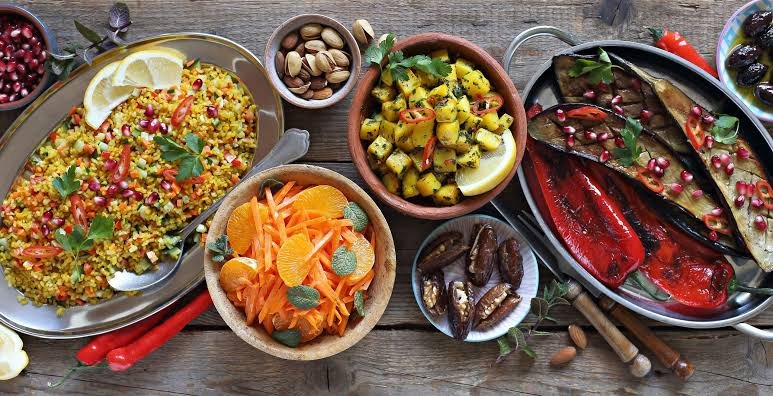
South African cuisine is a rich blend of flavors, traditions, and cultural influences that reflect the country’s diverse population and history. Often described as a melting pot of culinary traditions, it combines Indigenous African cooking with Malay, Dutch, Indian, and other European influences. The result is a food culture that ranges from hearty maize-based meals and slow-cooked stews to fragrant curries, grilled meats, and sweet homemade desserts.
Known for its communal meals, bold seasonings, and regional specialties, South African food offers something for almost every taste. Whether it is a traditional braai shared with family, a plate of pap and chakalaka, or a serving of Cape Malay bobotie, these dishes tell stories about the communities that have shaped the country’s identity.
Understanding South African cuisine means exploring not only what people eat but also the traditions, ingredients, and cultural connections behind each meal.
What Makes South African Cuisine Unique?
South African cuisine stands out because it brings together different culinary traditions while maintaining a strong connection to local ingredients and regional customs.
Indigenous communities have long prepared meals using maize, sorghum, beans, vegetables, wild plants, and locally available meats. Over time, migration, trade, colonial settlement, and forced displacement introduced additional ingredients and cooking techniques. Indian communities contributed curries and spice blends, while Cape Malay cooking developed distinctive combinations of aromatic spices, dried fruit, and savory ingredients.
European traditions also influenced baking, preserved foods, and meat preparation. These influences did not simply replace existing food traditions; they interacted with them, creating dishes that are now associated with South African identity.
Another defining feature is the importance of sharing food. Family gatherings, celebrations, religious occasions, and community events frequently center on generous meals prepared for several people.
Traditional South African Dishes Everyone Should Know
South Africa has an extensive range of traditional dishes, with recipes and preparation methods varying between regions and households.
Bobotie: A Cape Malay Classic
Bobotie is one of the country’s best-known traditional dishes, particularly associated with Cape Malay cuisine. It consists of seasoned minced meat baked beneath a layer of egg custard, creating a soft, savory topping over a richly flavored filling.
The meat is commonly prepared with curry spices, onions, bread soaked in milk, and sometimes raisins or dried fruit. Chutney and a touch of lemon juice may be added to balance the sweetness and spices.
Bobotie is often served with yellow rice, which may contain turmeric, raisins, or other seasonings. The combination of sweet, savory, and aromatic flavors makes it a distinctive part of South African food culture.
Pap and Chakalaka: Everyday Comfort Food
Pap is a staple food made from maize meal cooked with water until it reaches a soft, thick, or firm consistency. Its texture depends on the recipe and how it is prepared. Pap is widely eaten in many South African households and can accompany meat, vegetables, or sauces.
Chakalaka is a spicy vegetable relish often made with tomatoes, onions, peppers, carrots, and beans. Garlic, chili, and other seasonings provide additional flavor.
Together, pap and chakalaka make a satisfying meal. Pap provides a mild base, while chakalaka adds color, texture, and heat. They are also popular accompaniments at braais and family gatherings.
Bunny Chow: Durban’s Famous Curry Bread
Bunny chow originated in Durban and is closely associated with the city’s Indian South African community. It consists of a hollowed-out loaf or half-loaf of bread filled with curry.
The curry may contain beans, vegetables, chicken, or lamb, depending on the recipe. The bread absorbs the sauce and provides an edible container, making the dish convenient to serve and eat.
Bunny chow reflects the development of Indian South African food traditions in Durban. It is now enjoyed throughout the country and is especially popular among people looking for a filling, flavorful meal.
Boerewors: A South African Sausage Favorite
Boerewors is a traditional sausage commonly made from beef, although some recipes include other meats. Its seasoning often includes coriander, black pepper, cloves, and other spices.
The sausage is usually formed into a continuous coil and cooked over hot coals during a braai. It may also be grilled or pan-fried.
Boerewors is frequently served with pap, bread, onions, or chakalaka. Its association with outdoor cooking and social gatherings makes it one of the most recognizable foods in South Africa.
Potjiekos: Slow Cooking in a Cast-Iron Pot
Potjiekos is a slow-cooked stew prepared in a rounded cast-iron pot traditionally supported by three legs. The name refers to food cooked in a small pot.
Ingredients commonly include meat, potatoes, carrots, onions, and other vegetables. The pot is placed over a controlled fire, allowing the ingredients to cook gradually and develop their flavors.
Unlike dishes that require frequent stirring, potjiekos is often layered and left to simmer. Recipes differ widely, and cooking potjiekos can become a social activity during outdoor gatherings.
Braai: The Heart of South African Food Culture
A braai is much more than a barbecue. It is a well-established social tradition in South Africa, bringing people together to prepare and enjoy food over an open fire or hot coals.
Common braai foods include boerewors, lamb chops, steak, chicken, and grilled vegetables. Side dishes may feature pap, garlic bread, salads, and chakalaka.
The type of wood or charcoal, the heat of the fire, and the cooking time all influence the final flavor. Some gatherings focus on carefully prepared meats, while others include a broad selection of dishes for everyone to share.
Braais are popular during weekends, holidays, sporting events, and family celebrations. They also provide an opportunity for conversation and relaxation, making them an important part of everyday social life.
Cape Malay Cuisine and Its Distinctive Spices
Cape Malay cuisine developed primarily in the Western Cape, particularly around Cape Town, through the experiences and traditions of communities with Southeast Asian and other ancestral connections, including people brought to the Cape through slavery and colonial-era migration.
Its cooking is known for fragrant spices, rich sauces, and combinations of sweet and savory ingredients. Cinnamon, cardamom, turmeric, coriander, and cumin appear in many recipes.
In addition to bobotie, well-known dishes include bredie, which is a slow-cooked stew, and denningvleis, a meat dish traditionally prepared with spices and tamarind or other souring ingredients. Samoosas, curries, and sweet treats also feature in the region’s food culture.
Cape Malay cooking demonstrates how food traditions develop through cultural exchange and how family recipes can preserve historical connections across generations.
Popular South African Desserts and Sweet Treats
South African cuisine includes a variety of desserts influenced by local traditions and international baking styles.
Malva Pudding
Malva pudding is a soft, sweet baked dessert known for its moist texture. It is typically made with ingredients such as flour, sugar, eggs, and apricot jam, then served with a warm sauce containing cream or butter.
The sauce soaks into the sponge, giving the dessert its characteristic richness. Malva pudding is often served warm, sometimes accompanied by custard or ice cream.
Koeksisters
Koeksisters are sweet pastries made from twisted or braided dough that is fried and coated in syrup. The traditional Afrikaner version is usually crisp on the outside and sticky with syrup, while Cape Malay koesisters are softer, spiced, and often rolled in coconut.
Although their names are similar, these treats have different textures and culinary traditions. Both are enjoyed as snacks or desserts.
Milk Tart
Milk tart, known in Afrikaans as melktert, consists of a pastry crust filled with a creamy milk-based custard. Cinnamon is commonly sprinkled over the top.
The dessert has a delicate flavor and a smooth filling. It is frequently served at family gatherings, celebrations, and afternoon tea.
Regional Differences in South African Food
South African cuisine varies significantly from one region to another because of differences in local ingredients, cultural histories, climate, and community traditions.
| Region | Food traditions and specialties |
| Western Cape | Cape Malay curries, bobotie, seafood, and milk tart |
| KwaZulu-Natal | Durban-style curries, bunny chow, and Indian South African dishes |
| Eastern Cape | Traditional maize-based meals, stews, and regional Xhosa food traditions |
| Gauteng | A diverse mix of traditional African dishes, street food, and international cuisines |
| Limpopo and Mpumalanga | Maize-based staples, leafy vegetables, groundnuts, and regional stews |
These distinctions are not strict boundaries. People move between regions, family recipes travel with them, and modern restaurants often combine influences from different parts of the country.
Coastal areas also have access to a range of seafood, while inland communities may rely more heavily on locally available meats, grains, and vegetables.
Common Ingredients Used in South African Cooking
Many traditional dishes rely on accessible ingredients that can be adapted to different budgets and tastes.
Maize meal is central to pap and several other staple foods. Beans and legumes provide protein and are used in stews and vegetable dishes. Potatoes, onions, tomatoes, pumpkin, and leafy greens appear in many everyday meals.
Meat also plays a significant role in numerous regional recipes, including beef, lamb, chicken, and traditional sausages. However, South African food is not exclusively meat-based; plant-based dishes and vegetable-rich meals are also important.
Spices vary according to the dish and region. Coriander, cumin, turmeric, black pepper, cinnamon, and chili are common in many preparations. Vinegar, chutney, and other sauces may be used to add acidity, sweetness, or extra depth.
These ingredients create a flexible culinary tradition in which the same basic foods can be transformed into very different meals.
Frequently Asked Questions About South African Cuisine
1. What is South African cuisine famous for?
South African cuisine is known for braai, boerewors, bobotie, bunny chow, pap and chakalaka, potjiekos, and desserts such as malva pudding and milk tart.
2. What is the national dish of South Africa?
South Africa does not have one universally accepted official national dish. Bobotie is frequently presented as a national favorite, while braai is widely recognized as an important part of the country’s food culture.
3. Is South African food spicy?
Some dishes, including Durban curries and chakalaka, can be spicy. Others, such as pap, milk tart, and many stews, have milder flavors. The heat level depends on the recipe and personal preference.
4. What do South Africans eat for breakfast?
Breakfast varies between households and communities. Common choices include porridge, bread, eggs, fruit, and other everyday foods. Traditional maize-based porridges may also be eaten as part of a broader range of meals.
5. What is bunny chow made of?
Bunny chow consists of a hollowed-out loaf or half-loaf of bread filled with curry. The filling can contain beans, vegetables, chicken, or lamb.
6. What is the difference between a braai and a barbecue?
Both involve cooking food over heat, but a braai has its own South African cultural identity and traditions. It commonly features wood or charcoal fires, boerewors, grilled meats, and shared social gatherings.
7. Are there vegetarian South African dishes?
Yes. Pap, chakalaka, bean dishes, vegetable stews, and certain curries can be vegetarian. Recipes should be checked for meat stock, animal fats, or other ingredients when preparing vegetarian meals.
8. What is a good South African dish for beginners to try?
Pap with chakalaka is a good starting point because its ingredients are relatively accessible and the flavors can be adjusted easily. Bobotie is another excellent choice for anyone interested in trying a traditional baked dish with aromatic spices.
Conclusion
South African cuisine offers a fascinating combination of Indigenous food traditions, regional specialties, and cultural influences that have developed over generations. From the comforting simplicity of pap and chakalaka to the rich flavors of bobotie, Durban curry, and slow-cooked potjiekos, each dish reflects a different aspect of the country’s food culture.
The braai tradition highlights the importance of sharing meals, while desserts such as malva pudding, koeksisters, and milk tart demonstrate the variety of South African baking. Exploring these foods provides a deeper understanding of the country’s history, communities, and everyday life.
Whether you are preparing a traditional recipe at home or discovering South African dishes for the first time, its cuisine offers a memorable introduction to the country’s diverse culinary heritage.
Learn About: Japan by Food
