

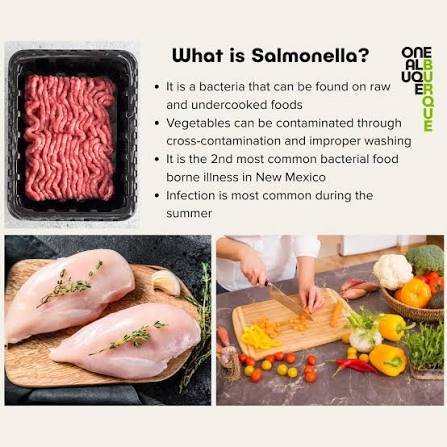
Salmonella and food poisoning are common concerns that can turn a normal meal into an unpleasant illness. Salmonella is a type of bacteria that can contaminate foods such as poultry, eggs, meat, and other products, leading to symptoms like diarrhea, stomach cramps, fever, nausea, and vomiting. Understanding how Salmonella spreads, recognizing its symptoms, and following safe food-handling practices can help reduce the risk of infection and protect your health.
What Is Salmonella and Food Poisoning?
Salmonella is a group of bacteria that can cause an intestinal infection called salmonellosis. When a person consumes food or water contaminated with Salmonella, the bacteria can enter the digestive system and cause food poisoning.
Food poisoning is a broad term for illness caused by contaminated food or drinks. Salmonella is only one of many germs that can cause foodborne illness. Other causes include viruses, parasites, and different types of bacteria.
Salmonella infections commonly cause diarrhea, fever, and abdominal cramps. In many cases, the illness is uncomfortable but temporary, and people recover without specific treatment. However, some infections can become serious, particularly when dehydration or complications develop.
How Salmonella Causes Food Poisoning
Salmonella bacteria can be present in the intestinal tracts of humans and animals. Food can become contaminated during farming, processing, preparation, handling, or storage.
People can become infected by eating contaminated or undercooked food. Salmonella can also spread when contaminated food comes into contact with hands, utensils, cutting boards, countertops, or other foods.
Animal contact is another possible source. Poultry, reptiles, amphibians, and some other animals can carry Salmonella without appearing sick. Touching contaminated animals or their environments and then touching the mouth can transfer the bacteria.
Cross-contamination is particularly important in the kitchen. For example, using the same cutting board for raw chicken and ready-to-eat vegetables without proper cleaning can transfer bacteria from one food to another.
Common Foods Linked to Salmonella
Salmonella can contaminate many different foods, so it is not limited to one particular type of meal.
Foods that have been associated with Salmonella infections include:
- Raw or undercooked poultry and meat
- Raw or undercooked eggs
- Unpasteurized milk and other dairy products
- Certain raw fruits and vegetables
- Raw sprouts
- Some nuts and nut-based products
- Contaminated pet food and treats
The risk depends on how food is produced, handled, stored, and prepared. Proper cooking, hygiene, and food storage can significantly reduce the risk of foodborne infection.
Symptoms of Salmonella Food Poisoning
Salmonella food poisoning often affects the digestive system. Common symptoms include:
- Diarrhea
- Stomach cramps or abdominal pain
- Fever
- Nausea
- Vomiting
- Headache or loss of appetite in some people
Diarrhea may sometimes contain blood or mucus. Symptoms can vary from person to person, and not everyone experiences every symptom.
When Do Symptoms Start?
Salmonella symptoms can begin 6 hours to 6 days after infection. The timing can make it difficult to identify which particular food caused the illness, especially when several meals were eaten during that period.
How Long Does Salmonella Food Poisoning Last?
For most people, Salmonella illness lasts around 4 to 7 days. Many people recover without specific medical treatment.
The most important concern during diarrhea or vomiting is dehydration. Drinking enough fluids can help replace water lost from the body. People who cannot keep liquids down or who develop signs of significant dehydration may need medical care.
Although most infections are mild, Salmonella can occasionally spread beyond the intestines and cause more serious illness. This is more concerning in people who are particularly vulnerable to severe infection.
Who Is at Higher Risk?
Anyone can develop Salmonella food poisoning, but some people are more likely to experience severe illness.
Higher-risk groups include:
- Young children
- Older adults
- People with weakened immune systems
- Pregnant people
These groups should take extra care with food preparation and avoid higher-risk foods when appropriate.
What to Do If You Suspect Salmonella
If you develop symptoms that could be caused by Salmonella, focus first on staying hydrated. Water and other suitable fluids can help replace fluid lost through diarrhea or vomiting.
Do not assume that every case of diarrhea is caused by Salmonella. Many infections can produce similar symptoms, and a healthcare professional may recommend testing when Salmonella or another foodborne illness is suspected. Testing can involve a stool or blood sample depending on the situation.
If you believe contaminated food caused your illness, keep information about what you recently ate when possible. Food receipts, labels, and details about meals may be useful if a healthcare provider or public health authority investigates a possible foodborne outbreak.
How to Prevent Salmonella Food Poisoning
Good food safety habits are among the most effective ways to reduce Salmonella exposure. The CDC recommends four basic food-safety practices: clean, separate, cook, and chill.
Clean Your Hands and Surfaces
Wash your hands with soap and water before preparing food and after handling raw meat, poultry, eggs, animals, or potentially contaminated materials.
Kitchen surfaces, utensils, and cutting boards should also be cleaned properly after contact with raw foods.
Separate Raw and Ready-to-Eat Foods
Keep raw meat, poultry, and eggs separate from foods that are ready to eat. Use separate utensils or thoroughly clean them between uses to reduce cross-contamination.
Cook Food Thoroughly
Cooking food properly helps destroy harmful bacteria. Pay particular attention to foods such as poultry, meat, and eggs that may contain Salmonella when raw or undercooked.
Chill Food Safely
Perishable foods should be refrigerated promptly. The FDA recommends not leaving foods that require refrigeration at room temperature for more than two hours, or more than one hour when temperatures are above 90°F (32°C).
When to Seek Medical Care
Some symptoms of food poisoning require medical attention. According to the CDC, seek medical help for severe symptoms such as:
- Bloody diarrhea
- Diarrhea lasting more than 3 days
- Fever above 102°F (about 38.9°C)
- Frequent vomiting that prevents you from keeping liquids down
- Signs of dehydration, such as very little urination, dry mouth, or dizziness when standing
People in higher-risk groups should also contact a healthcare professional if they develop symptoms that could indicate a Salmonella infection.
Frequently Asked Questions
Is Salmonella the same as food poisoning?
Not exactly. Salmonella is a type of bacteria, while food poisoning is a general term for illnesses caused by contaminated food or drinks. Salmonella infection is one type of foodborne illness.
How quickly can Salmonella cause symptoms?
Symptoms can begin as early as 6 hours after infection, although they may take up to 6 days to appear.
What are the main symptoms of Salmonella?
The most common symptoms are diarrhea, fever, and stomach cramps. Nausea, vomiting, headache, and loss of appetite can also occur.
How long does Salmonella food poisoning last?
Salmonella illness usually lasts about 4 to 7 days, and most people recover without specific treatment.
Can Salmonella spread from animals to people?
Yes. Salmonella can spread from animals to people, including through contact with reptiles, amphibians, poultry, and contaminated animal environments. Handwashing after animal contact can reduce the risk.
Can Salmonella be prevented?
Many Salmonella infections can be prevented by practicing good food hygiene. Washing hands, separating raw and cooked foods, cooking food thoroughly, and keeping perishable foods properly chilled are important preventive measures.
When should someone see a doctor for suspected Salmonella?
Medical attention is particularly important when there is bloody diarrhea, persistent diarrhea, a high fever, repeated vomiting, or signs of dehydration.
Conclusion
Salmonella and food poisoning are closely connected because Salmonella is one of the bacteria that can cause foodborne illness. The infection commonly produces diarrhea, fever, stomach cramps, nausea, and sometimes vomiting. Most people recover within several days, but severe symptoms and dehydration should not be ignored.
Safe food handling remains an important part of prevention. Cleaning hands and surfaces, separating raw foods from ready-to-eat foods, cooking food thoroughly, and refrigerating perishable items promptly can all help reduce the risk of Salmonella food poisoning.
Learn About: Chronic Disease Management
