

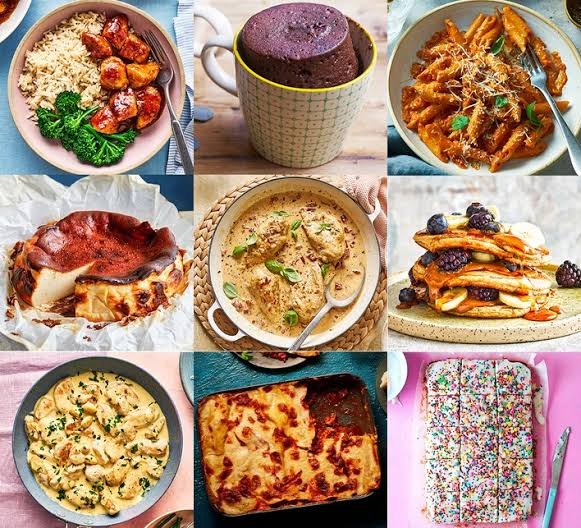
Cooking recipes make it easier to prepare delicious meals at home, whether you are a beginner learning basic kitchen skills or an experienced cook looking for fresh inspiration. From quick breakfasts and comforting lunches to satisfying dinners and homemade snacks, the right recipe helps you turn everyday ingredients into enjoyable meals.
Home cooking also gives you more control over ingredients, portion sizes, seasonings, and cooking methods. You can adjust recipes to suit your taste, use seasonal produce, and make practical choices based on your schedule and budget. With a few essential ingredients and straightforward techniques, preparing food at home can become a rewarding part of your daily routine.
What Makes a Good Cooking Recipe?
A good cooking recipe provides clear instructions, accessible ingredients, and practical guidance to help you prepare a dish successfully. It should explain what you need, how to prepare the ingredients, which cooking method to use, and how to recognize when the food is ready.
The best recipes also allow some flexibility. For example, you might replace one vegetable with another, adjust the seasoning, or use a different protein depending on what you have available.
When choosing a recipe, consider these factors:
- Preparation time: Choose quick recipes on busy days and more involved dishes when you have extra time.
- Available ingredients: Look for recipes that use foods already in your kitchen.
- Skill level: Start with simple dishes before attempting complicated techniques.
- Nutrition: Include a balance of vegetables, protein sources, grains, and other foods that meet your needs.
- Cooking equipment: Select recipes that match the pots, pans, appliances, and utensils you have.
A recipe does not need expensive ingredients or complicated steps to produce a satisfying meal. Often, simple combinations prepared carefully deliver excellent results.
Easy Cooking Recipes for Every Meal
You do not need a large collection of cookbooks to make different meals throughout the week. A few flexible recipes can provide a foundation for breakfast, lunch, dinner, and snacks.
1. Vegetable Omelet for Breakfast
A vegetable omelet is a convenient breakfast option that combines eggs with fresh vegetables. It is easy to customize and takes only a short time to prepare.
Ingredients:
- 2 eggs
- 2 tablespoons chopped onion
- 2 tablespoons chopped tomato
- 2 tablespoons chopped bell pepper
- 1 teaspoon cooking oil or butter
- Salt and black pepper to taste
Instructions:
- Beat the eggs in a bowl and season with salt and black pepper.
- Heat the oil or butter in a nonstick pan.
- Add the onion, tomato, and bell pepper, cooking until slightly softened.
- Pour in the beaten eggs and cook over medium-low heat.
- Fold the omelet when the eggs are mostly set, then cook until fully done.
Serve it with whole-grain toast, flatbread, or fresh fruit for a more complete breakfast.
2. Simple Chicken and Vegetable Rice
Chicken and vegetable rice is a practical lunch or dinner because it combines protein, grains, and vegetables in one dish. It also works well with leftover cooked rice when handled and stored safely.
Ingredients:
- 1 cup uncooked rice
- 200 grams boneless chicken, cut into small pieces
- 1 small carrot, chopped
- ½ cup peas
- 1 small onion, chopped
- 1 tablespoon cooking oil
- 2 cups water, adjusted for the rice variety
- Salt, black pepper, and spices to taste
Instructions:
- Rinse the rice according to the package instructions.
- Heat oil in a pot and cook the onion until softened.
- Add the chicken and seasonings. Cook until the outside is no longer pink.
- Stir in the carrot and peas.
- Add the rice and water, then bring the mixture to a boil.
- Cover, reduce the heat, and cook until the rice is tender and the chicken reaches an internal temperature of 74°C (165°F).
- Let the rice rest briefly before fluffing it with a fork.
You can replace the chicken with chickpeas or another suitable protein for a different version.
3. Homemade Vegetable Soup
Vegetable soup is an adaptable recipe for using seasonal produce. It can be served as a light lunch, a starter, or part of an evening meal.
Ingredients:
- 1 potato, diced
- 1 carrot, chopped
- 1 small onion, chopped
- 1 tomato, chopped
- ½ cup green beans or peas
- 4 cups vegetable or chicken broth
- 1 teaspoon cooking oil
- Salt, pepper, and herbs to taste
Instructions:
- Heat the oil in a pot and sauté the onion until soft.
- Add the carrot, potato, tomato, and green vegetables.
- Pour in the broth and bring everything to a boil.
- Lower the heat and simmer until the vegetables are tender.
- Adjust the seasoning and serve warm.
For a thicker texture, blend some of the cooked vegetables into the broth. Add beans or lentils if you want a more filling soup.
4. Quick Homemade Pasta
Pasta is useful when you want a satisfying meal without spending too much time in the kitchen. A simple tomato sauce provides a flavorful base that you can adjust with vegetables, herbs, or protein.
Ingredients:
- 200 grams pasta
- 1 cup chopped or crushed tomatoes
- 2 garlic cloves, minced
- 1 tablespoon olive oil or another cooking oil
- Salt and black pepper
- Dried herbs or fresh basil, if available
Instructions:
- Cook the pasta in salted water according to the package directions.
- Heat the oil in a pan and gently cook the garlic.
- Add the tomatoes, salt, pepper, and herbs.
- Simmer the sauce until it thickens slightly.
- Drain the pasta, reserving a little cooking water.
- Toss the pasta with the sauce, adding a splash of cooking water if needed.
You can add mushrooms, spinach, beans, or cooked chicken to make the meal more substantial.
Essential Ingredients for Home Cooking
Keeping a small selection of versatile ingredients at home makes it easier to prepare meals without frequent shopping trips.
| Ingredient group | Examples | Common uses |
| Grains and starches | Rice, pasta, oats, potatoes | Main dishes, breakfasts, and sides |
| Protein sources | Eggs, chicken, beans, lentils, tofu | Omelets, soups, curries, and salads |
| Vegetables | Onions, tomatoes, carrots, leafy greens | Sauces, soups, stir-fries, and side dishes |
| Flavorings | Garlic, ginger, herbs, spices | Adding aroma and flavor |
| Cooking fats | Olive oil, vegetable oil | Sautéing, roasting, and dressings |
| Pantry essentials | Flour, canned tomatoes, broth | Baking, sauces, and quick meals |
You do not need to buy every ingredient at once. Begin with foods you regularly eat and gradually expand your selection as you try new recipes.
Fresh, frozen, and canned vegetables can all be useful choices. Compare labels when appropriate, particularly for added salt or sugar, and choose products that suit your preferences and budget.
Basic Cooking Methods Everyone Should Know
Learning a few fundamental cooking methods makes it easier to follow recipes and experiment with different ingredients.
Boiling and Simmering
Boiling is useful for cooking pasta, rice, eggs, and vegetables. Simmering uses gentler heat and works well for soups, stews, and sauces that benefit from longer cooking.
Sautéing
Sautéing involves cooking small pieces of food in a pan with a little fat. It is commonly used for onions, garlic, vegetables, and meat before other ingredients are added.
Roasting
Roasting cooks food using dry heat in an oven. Potatoes, carrots, cauliflower, and chicken can develop appealing browned surfaces while cooking.
Baking
Baking is useful for bread, cakes, casseroles, and other oven-prepared dishes. Accurate measurements and the correct oven temperature can make a significant difference to the result.
Steaming
Steaming cooks food with hot vapor rather than submerging it in water. It is suitable for many vegetables and can help retain their texture without requiring much added fat.
Choosing the appropriate method depends on the ingredient, desired texture, available equipment, and recipe instructions.
Tips for Making Cooking Recipes Easier and More Delicious
Small changes to your cooking routine can improve both the process and the final meal.
Prepare ingredients before cooking. Wash vegetables, measure spices, and cut ingredients before turning on the stove. This makes it easier to follow instructions without rushing.
Read the full recipe first. Check the cooking time, equipment, ingredient quantities, and any steps that require advance preparation.
Season gradually. Add salt, herbs, and spices in stages, tasting when the food is safe to taste. This helps prevent excessive seasoning.
Avoid overcrowding the pan. Too much food in a pan can cause ingredients to steam rather than brown. Cook in batches when necessary.
Use a thermometer for meat. Visual appearance alone does not reliably establish that meat is safely cooked. Check the appropriate internal temperature, such as 74°C (165°F) for poultry.
Store leftovers promptly. Refrigerate perishable cooked foods within two hours, or within one hour when temperatures exceed 32°C (90°F). Use shallow containers to help food cool quickly.
Plan meals around shared ingredients. If you buy carrots for soup, use the remaining carrots in rice, salads, or roasted vegetable dishes. This reduces waste and makes grocery shopping more efficient.
How to Adapt Recipes to Your Taste
Cooking recipes are starting points rather than inflexible rules. Once you understand the basic method, you can make thoughtful changes to suit your preferences.
For example, you can:
- Replace one vegetable with another that cooks in a similar amount of time.
- Use beans, lentils, tofu, eggs, or chicken according to the dish and your dietary preferences.
- Adjust the amount of chili, garlic, herbs, or other seasonings.
- Substitute suitable dairy-free or gluten-free ingredients when needed.
- Scale ingredient quantities up or down while adjusting pan size and cooking time appropriately.
Be more careful when changing baking recipes. Ingredients such as flour, eggs, fat, and leavening agents affect structure, so large substitutions can change the result.
If you are new to cooking, follow a recipe closely the first time. Make notes about what you liked, what you would change, and how long each step took. This gradually helps you develop confidence and recognize which adjustments work well.
Frequently Asked Questions
1. What are the easiest cooking recipes for beginners?
Vegetable omelets, simple pasta, fried rice, vegetable soup, and roasted vegetables are good starting points. They use common ingredients and teach useful cooking techniques.
2. How can I find recipes using ingredients I already have?
Check your refrigerator, freezer, and pantry before searching for recipes. Enter two or three main ingredients into a recipe search, then choose a dish that uses the available items and requires minimal additional shopping.
3. What should I cook when I have limited time?
Eggs, quick pasta, vegetable stir-fries, sandwiches, and simple rice bowls are practical options. Preparation time depends on ingredient quantities, equipment, and whether ingredients are already cooked.
4. How can I make home-cooked meals healthier?
Include vegetables, suitable protein sources, and whole grains where appropriate. Use cooking methods such as steaming, baking, and roasting when they suit the dish, and adjust added salt, sugar, and fats to your needs.
5. Can I replace ingredients in a recipe?
Yes. Many savory recipes allow substitutions, particularly for vegetables, herbs, and protein sources. However, replacements can affect flavor, texture, cooking time, and food safety, so choose ingredients carefully.
6. How do I prevent food from burning?
Use suitable heat, select the correct pan, and stir when necessary. Lower the temperature if ingredients brown too quickly, and avoid leaving food unattended during high-heat cooking.
7. How long can I keep cooked food in the refrigerator?
Many cooked leftovers can be refrigerated for three to four days at 4°C (40°F) or below. Refrigerate them promptly in covered, shallow containers and reheat leftovers to 74°C (165°F). Freeze food you will not use within that period.
8. How can I save money when preparing meals at home?
Plan meals before shopping, choose seasonal produce, use affordable protein sources such as beans and lentils, and repurpose suitable leftovers. Preparing a shopping list can also reduce unnecessary purchases.
Conclusion
Cooking recipes can help you prepare enjoyable, practical meals while building valuable kitchen skills. Start with simple dishes such as omelets, vegetable soup, pasta, and rice bowls, then explore different ingredients and cooking methods as your confidence grows.
By planning meals, using ingredients efficiently, and making small adjustments to suit your taste, you can create a flexible collection of recipes for everyday life. The most useful recipes are the ones that fit your schedule, budget, cooking abilities, and the foods you enjoy eating.
Learn About: Recipes by Ingredients
