

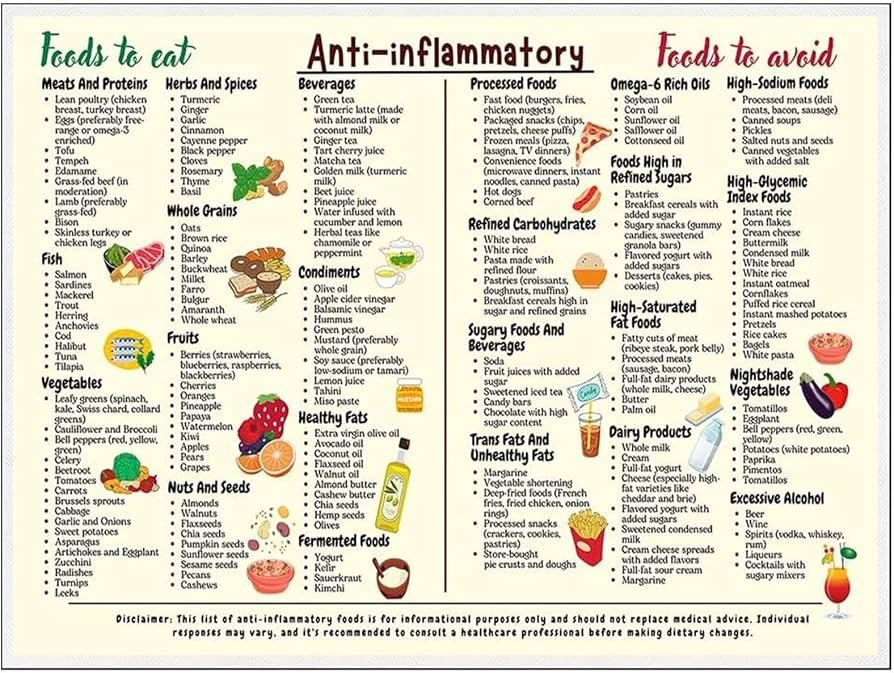
Food provides the energy and nutrients the body needs to grow, repair tissues, maintain normal body functions, and support overall health. Understanding different food types and lists can make grocery shopping, meal planning, and choosing balanced meals much easier. From fresh fruits and vegetables to whole grains, protein-rich foods, and dairy products, each food category offers different nutrients and benefits.
Foods can be grouped according to their nutritional content, their role in the body, or their place in everyday diets. Some provide carbohydrates for energy, while others supply protein for tissue repair or healthy fats that help the body absorb certain vitamins.
This guide explores the main food types, provides practical lists of common foods, and explains how to combine different categories to create balanced meals.
What Are the Main Types of Food?
Foods are commonly organized into groups based on their nutritional characteristics. A practical way to understand everyday food choices is to divide them into the following categories.
| Food Type | Common Examples | Main Nutritional Benefits |
| Fruits | Apples, oranges, bananas, berries | Vitamins, fiber, and carbohydrates |
| Vegetables | Spinach, carrots, broccoli, tomatoes | Vitamins, minerals, and fiber |
| Grains | Rice, oats, wheat, quinoa | Carbohydrates, fiber, and some protein |
| Protein foods | Eggs, beans, fish, chicken | Protein and other essential nutrients |
| Dairy and alternatives | Milk, yogurt, fortified soy milk | Calcium and protein, depending on the product |
| Healthy fats | Olive oil, avocado, nuts, seeds | Unsaturated fats and energy |
| Sweets and treats | Cakes, cookies, candy | Primarily carbohydrates and fats, depending on the food |
These categories overlap. For example, beans provide both protein and fiber, while nuts supply healthy fats as well as some protein. The nutritional value of a particular food also depends on its preparation and ingredients.
1. Fruits: Types and Examples
Fruits are an important part of a varied diet because they provide vitamins, minerals, fiber, and natural carbohydrates. Many fruits also contain plant compounds that contribute to their color and flavor.
Common fruit list
- Citrus fruits: Oranges, lemons, limes, grapefruit, and mandarins
- Berries: Strawberries, blueberries, raspberries, and blackberries
- Tropical fruits: Mangoes, pineapples, papayas, and bananas
- Stone fruits: Peaches, plums, cherries, and apricots
- Melons: Watermelon, cantaloupe, and honeydew
- Other fruits: Apples, pears, grapes, and kiwis
Fresh, frozen, and canned fruits can all be useful choices. When selecting canned fruit, products packed in water or without added sugar can help limit added sugars. Whole fruit is generally a good option because it provides fiber that may be reduced when fruit is turned into juice.
2. Vegetables: Types and Examples
Vegetables supply essential vitamins, minerals, fiber, and a variety of plant compounds. Eating different colors and types helps provide a broader range of nutrients.
Common vegetable list
- Leafy greens: Spinach, kale, lettuce, and Swiss chard
- Cruciferous vegetables: Broccoli, cauliflower, cabbage, and Brussels sprouts
- Root vegetables: Carrots, beets, turnips, and radishes
- Allium vegetables: Onions, garlic, leeks, and shallots
- Other vegetables: Tomatoes, cucumbers, zucchini, eggplant, and bell peppers
- Starchy vegetables: Potatoes, sweet potatoes, corn, and green peas
Vegetables can be eaten raw, steamed, roasted, grilled, or added to soups and stews. Cooking methods that use moderate amounts of oil and preserve the vegetables’ texture can make them easy to include in everyday meals.
3. Grains and Starchy Foods
Grains and starchy foods are important sources of carbohydrates, which provide energy for daily activities. Whole grains also supply fiber, vitamins, and minerals.
Whole grains
Whole grains retain the bran, germ, and endosperm of the grain. Examples include:
- Oats
- Brown rice
- Whole-wheat bread
- Whole-wheat pasta
- Barley
- Quinoa
- Whole-grain cereals
- Millet
Refined grains
Refined grains have had some parts of the grain removed during processing. Examples include white rice, white bread, and many products made with refined wheat flour.
Refined grains can still provide energy and may be enriched with certain nutrients. However, whole grains generally contain more fiber than their refined counterparts.
Other starchy foods
Potatoes, sweet potatoes, corn, and cassava are common starchy foods. Beans and lentils also contain carbohydrates, but they are especially useful for their protein and fiber content.
Choosing whole grains regularly can support digestive health and help meals feel more satisfying.
4. Protein-Rich Foods
Protein helps build and maintain muscles, repair body tissues, and produce enzymes and hormones. Many protein-rich foods also provide iron, zinc, vitamin B12, or other important nutrients.
Animal-based protein foods
- Chicken
- Turkey
- Fish
- Seafood
- Eggs
- Lean beef
- Pork
- Milk and yogurt
Plant-based protein foods
- Lentils
- Chickpeas
- Kidney beans
- Black beans
- Soybeans
- Tofu
- Tempeh
- Nuts and seeds
Plant-based protein foods can be particularly valuable because many also contain fiber. People who follow vegetarian or vegan diets can obtain protein from a variety of beans, lentils, soy products, nuts, seeds, and grains.
Eating different protein sources throughout the week can provide a wider range of nutrients. Fish, legumes, eggs, and lean meats are all useful options depending on personal preferences, dietary requirements, and availability.
5. Dairy Products and Dairy Alternatives
Dairy foods can provide calcium, protein, and other nutrients that support bones and normal body functions. The nutritional content varies according to the product and its processing.
Common dairy foods
- Milk
- Plain yogurt
- Greek yogurt
- Cheese
- Cottage cheese
- Kefir
Dairy-free alternatives
- Fortified soy milk
- Fortified almond milk
- Fortified oat milk
- Fortified pea-protein milk
- Fortified coconut-based drinks
Not all dairy alternatives contain the same nutrients as cow’s milk. Soy milk fortified with calcium and vitamin D is often a closer nutritional alternative to dairy milk than many other plant-based drinks, particularly in protein content.
Check product labels for calcium, vitamin D, protein, and added sugars. People with lactose intolerance may tolerate yogurt or certain lactose-free dairy products more comfortably than regular milk.
6. Healthy Fats and Oils
Fat is an essential nutrient that provides energy, helps build cell membranes, and supports the absorption of vitamins A, D, E, and K.
Unsaturated fats are generally preferred over large amounts of saturated fats when choosing dietary fat sources.
Foods rich in unsaturated fats
- Avocados
- Olive oil
- Canola oil
- Almonds
- Walnuts
- Peanuts
- Chia seeds
- Flaxseeds
- Sunflower seeds
- Fatty fish, such as salmon and sardines
Saturated fats are found in foods such as butter, fatty cuts of meat, and some tropical oils. These foods do not necessarily need to be completely excluded, but replacing some saturated fats with unsaturated fats can support heart health.
Because fats are energy-dense, portion sizes can be useful to consider when planning meals.
7. Food Types Classified by Their Nutrients
Another way to understand food is to classify it according to the nutrients it provides.
| Nutrient Category | Main Role | Food Examples |
| Carbohydrates | Provide energy | Rice, oats, potatoes, fruit |
| Protein | Builds and repairs tissues | Eggs, fish, lentils, tofu |
| Fats | Support cells and vitamin absorption | Nuts, seeds, olive oil |
| Vitamins | Support many body processes | Fruits, vegetables, eggs |
| Minerals | Support bones, blood, and nerves | Dairy, leafy greens, legumes |
| Fiber | Supports digestion and bowel regularity | Beans, whole grains, vegetables |
| Water | Supports hydration and normal body functions | Drinking water, soups, fruits |
Most foods contain more than one nutrient. For example, oats provide carbohydrates, fiber, and some protein. Milk contains protein, carbohydrates, and varying amounts of fat depending on the type.
This is why a varied diet is generally more useful than relying on a single food or nutrient.
8. Processed Foods and Occasional Treats
Processed foods range from minimally processed ingredients to highly formulated products. Processing alone does not determine whether a food is nutritious.
Frozen vegetables, canned beans, plain yogurt, and whole-grain bread can be convenient and nutritious choices. Other products, such as sugary drinks, candy, and many packaged desserts, may contain substantial added sugars or provide fewer essential nutrients.
Examples of foods to enjoy in moderation
- Candy and chocolate
- Cakes and pastries
- Sugary soft drinks
- Sweetened breakfast cereals
- Salty packaged snacks
- Deep-fried fast foods
These foods can fit into an overall eating pattern. The goal is to make nutrient-rich foods the foundation of everyday meals while paying attention to added sugars, sodium, and saturated fats.
Reading nutrition labels can help compare products and identify options that better suit individual needs.
How to Build a Balanced Meal
A balanced meal combines different food groups in proportions that provide a variety of nutrients. One simple approach is to fill approximately half your plate with vegetables and fruits, one-quarter with protein foods, and one-quarter with whole grains or other suitable starchy foods.
Here are some practical meal examples:
- Breakfast: Oatmeal with banana, nuts, and milk
- Lunch: Brown rice with lentils, cooked vegetables, and yogurt
- Dinner: Grilled fish or tofu with roasted vegetables and whole grains
- Snack: An apple with peanut butter or plain yogurt with berries
These are examples rather than strict rules. Portion sizes and nutritional needs vary according to age, activity level, health conditions, and personal goals.
For affordable meal planning, consider seasonal produce, dried lentils and beans, oats, eggs, and frozen vegetables. These ingredients can be used in multiple dishes and help reduce food waste.
Frequently Asked Questions
1. What are the five main food groups?
A commonly used five-group model includes fruits, vegetables, grains, protein foods, and dairy or fortified dairy alternatives. Exact classifications vary by country and dietary guidelines.
2. What are the 10 most common food types?
Ten broad types are fruits, vegetables, grains, starchy foods, legumes, meat, fish and seafood, eggs, dairy products, and nuts and seeds. Oils are also an important dietary category.
3. Which foods are good sources of protein?
Eggs, fish, chicken, yogurt, lentils, beans, chickpeas, tofu, and tempeh are useful protein sources. Combining a variety of foods can help meet nutritional needs.
4. What foods should be eaten every day?
A varied daily diet can include vegetables, fruits, whole grains, protein-rich foods, and appropriate sources of healthy fats. Water is also essential for hydration. Exact requirements differ between individuals.
5. What are examples of healthy foods?
Examples include apples, oranges, spinach, broccoli, oats, brown rice, eggs, lentils, fish, plain yogurt, nuts, and seeds. The best choices depend on dietary needs and how foods fit into the overall eating pattern.
6. What is the difference between whole foods and processed foods?
Whole foods are generally close to their original form, such as fresh fruit or plain beans. Processed foods have been altered through methods such as cooking, freezing, canning, or adding ingredients. Some processed foods are nutritious, while others contain high amounts of added sugar, sodium, or saturated fat.
7. Can I get all essential nutrients from plant-based foods?
A well-planned plant-based diet can provide many essential nutrients. However, people following vegan diets need a reliable source of vitamin B12, usually through fortified foods or supplements. Attention to iron, calcium, iodine, vitamin D, and omega-3 fats may also be important.
8. How can I make a healthy grocery list?
Include several fruits and vegetables, whole grains, protein sources such as eggs or beans, dairy or fortified alternatives, and unsaturated fats such as nuts or olive oil. Choose foods that fit your budget, preferences, and weekly meal plan.
Conclusion
Understanding food types and lists makes it easier to recognize the variety of foods available and how they contribute to a balanced diet. Fruits, vegetables, whole grains, protein-rich foods, dairy or fortified alternatives, and healthy fats each play useful roles in everyday nutrition.
Rather than focusing on one food group alone, aim for variety, practical portions, and balanced meals that suit your needs. With a well-organized grocery list and a mix of affordable ingredients, you can make nutritious food choices more manageable every day.
Learn About: Food Consumption
