

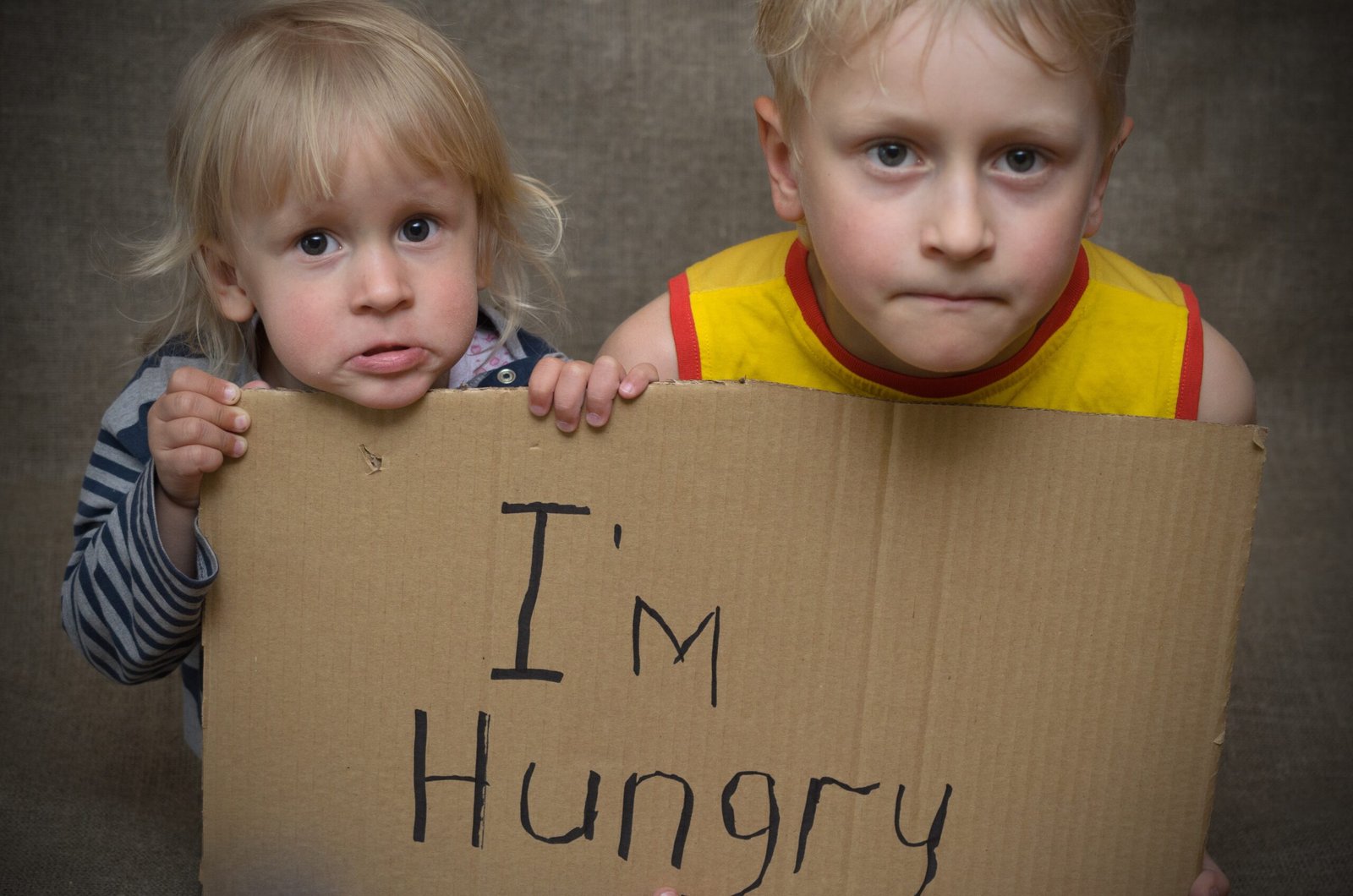
Poverty and food are closely connected because limited income can prevent individuals and families from accessing enough affordable, nutritious food. Food insecurity can lead to hunger, malnutrition, poor health, and difficulties in education and employment. Reducing poverty, improving access to healthy food, supporting food assistance programs, and creating stable employment opportunities can help communities achieve better nutrition and long-term food security.
What Is the Relationship Between Poverty and Food?
Poverty and food are closely linked because financial hardship affects what people can buy, how often they eat, and whether they can maintain a balanced diet. Families with limited incomes often have to prioritize essential expenses such as rent, electricity, transportation, and medicine. After covering these costs, they may have little money left for groceries.
Food is a basic human need, yet access to sufficient and nutritious meals is not equal for everyone. Some households struggle to afford fresh fruits, vegetables, dairy products, and protein-rich foods. Others may reduce portion sizes, skip meals, or rely on inexpensive foods that provide calories without enough essential nutrients.
This problem is known as food insecurity, which occurs when people lack reliable access to sufficient, safe, and nutritious food for an active and healthy life.
Poverty does not always mean that a person experiences hunger every day. However, financial insecurity increases the risk of inadequate nutrition, especially when food prices rise, employment becomes unstable, or families face unexpected expenses.
Understanding the connection between poverty and food is important for developing solutions that improve nutrition, protect public health, and support economic stability.
How Poverty Affects Access to Nutritious Food
Poverty influences food choices in several ways. Although people experiencing financial difficulties may understand the importance of healthy eating, their circumstances can limit their options.
The High Cost of Healthy Eating
Nutritious foods can be difficult to afford when household budgets are already stretched. Fresh produce, fish, lean meat, and other nutrient-rich foods may compete with cheaper packaged meals for a family’s limited spending money.
Low-cost food can help families manage immediate hunger, but a diet based mainly on highly processed products may not provide the variety of nutrients needed for good health.
Limited Access to Grocery Stores
Food access is not determined by income alone. Some low-income neighborhoods and rural communities have limited access to supermarkets, farmers’ markets, and stores selling fresh produce.
Residents may depend on small convenience stores with fewer healthy options. Transportation costs can also make it difficult to reach affordable grocery stores located farther away.
Unstable Income and Rising Food Prices
People who work irregular hours, rely on seasonal employment, or earn low wages may struggle to plan their grocery spending. A sudden increase in food prices can make an already difficult situation worse.
Families may respond by purchasing less food, choosing cheaper alternatives, or postponing other essential expenses to meet their nutritional needs.
Main Causes of Food Insecurity
Food insecurity usually develops through a combination of economic, social, and environmental factors.
- Low wages: Earnings may not cover food, housing, utilities, transportation, and healthcare.
- Unemployment: Losing a job can quickly reduce a household’s ability to purchase groceries.
- High living costs: Expensive housing and other essential bills leave less money available for food.
- Limited food availability: Remote locations, inadequate transportation, and weak distribution systems can restrict access.
- Conflict and displacement: Wars and forced migration can disrupt farming, markets, transportation, and food supplies.
- Climate change and natural disasters: Droughts, floods, and extreme weather can damage crops and increase food prices.
- Limited social support: Inadequate access to food assistance and other public services can leave vulnerable households without sufficient help.
These causes often reinforce one another. For example, a family affected by unemployment may struggle to pay rent, move to an area with fewer food retailers, and become more dependent on inexpensive meals.
Effects of Poverty on Nutrition and Health
When people cannot consistently obtain nutritious food, the effects can extend beyond hunger. Inadequate diets can influence physical health, emotional well-being, and the ability to participate in daily activities.
Malnutrition and Nutrient Deficiencies
Malnutrition occurs when the body receives too little, too much, or an unbalanced amount of energy and nutrients. Food insecurity can contribute to undernutrition and deficiencies in essential vitamins and minerals.
Children and pregnant women are particularly vulnerable because their nutritional needs can be greater during important stages of growth and development.
Increased Risk of Health Problems
A poor-quality diet can contribute to health problems over time. Depending on the person’s circumstances, inadequate nutrition may increase the risk of iron deficiency, weakened immunity, impaired growth, and other health complications.
Food insecurity can also coexist with obesity. When affordable food options are limited, people may rely on calorie-dense products that contain high levels of added sugar, sodium, or unhealthy fats but relatively few essential nutrients.
Mental Health and Emotional Stress
Worrying about the next meal can create ongoing stress. Adults may feel anxious about feeding their children, while young people may experience embarrassment or difficulty concentrating when they are hungry.
The financial pressure associated with food insecurity can also affect family relationships and overall quality of life.
How Food Insecurity Affects Children and Families
Children experience the effects of poverty and food insecurity in ways that can influence their development for years.
Learning and Academic Performance
Children need adequate nutrition to support growth, attention, memory, and everyday learning. Hunger can make it more difficult to concentrate in class, participate in activities, and complete schoolwork.
School meal programs can help reduce this burden by providing students with reliable access to nutritious food.
Physical Growth and Development
A consistent supply of essential nutrients supports healthy physical development. Children who experience prolonged nutritional deprivation may face growth problems and other health complications.
Early access to nutritious meals, healthcare, and family support can help protect children during critical developmental periods.
Pressure on Household Budgets
Parents and caregivers often make difficult decisions when money is insufficient. They may reduce their own food intake to feed their children or sacrifice spending on healthcare, education, and other necessities.
These choices can create a cycle in which financial hardship contributes to poor health, and poor health makes it harder for adults to maintain stable employment.
Poverty and Food: Biography and Key Information Table
The following table provides a concise overview of the main concepts, their characteristics, and their significance.
| Topic | Key Information |
| Subject | Poverty and food |
| Main issue | Limited access to sufficient, affordable, nutritious food |
| Related concept | Food insecurity |
| Primary causes | Low income, unemployment, high living costs, and food supply disruptions |
| Most vulnerable groups | Low-income households, children, older adults, and displaced populations |
| Health consequences | Hunger, malnutrition, nutrient deficiencies, and diet-related health risks |
| Social consequences | Educational difficulties, emotional stress, and reduced quality of life |
| Economic consequences | Lower productivity, increased household pressure, and barriers to employment |
| Potential solutions | Stable employment, food assistance, school meals, and improved food distribution |
| Long-term objective | Reliable access to safe, nutritious food for everyone |
Note: This is a topic overview table rather than a biography of an individual, because poverty and food is a social and economic subject, not a person.
Practical Solutions to Poverty and Hunger
Addressing poverty and food insecurity requires both immediate assistance and long-term improvements to household income and food systems.
1. Strengthen Food Assistance Programs
Food banks, community kitchens, emergency food distribution, and government assistance programs can help families obtain meals when their budgets are insufficient.
These services are particularly important during emergencies, unemployment, and sudden increases in living costs. Programs should aim to provide nutritious food while respecting the dignity and cultural preferences of recipients.
2. Improve Employment and Household Income
Stable employment and fair wages can help families afford essential needs, including food. Vocational training, education, childcare support, and employment opportunities can improve financial stability.
Social protection programs may also help households manage periods of unemployment, disability, or economic hardship.
3. Support School Nutrition Programs
School breakfast and lunch programs can help children access regular meals. When these programs provide balanced food, they can support learning, development, and classroom participation.
Providing nutritious meals at school may also reduce the financial pressure on parents and caregivers.
4. Make Nutritious Food More Accessible
Governments, community organizations, and food retailers can work together to improve access to affordable healthy food.
Possible approaches include supporting local farmers, improving transportation and food storage, reducing food waste, and expanding grocery access in underserved areas.
Community gardens and local food cooperatives can supplement household food supplies, although they cannot replace the need for adequate income and reliable food systems.
5. Reduce Food Waste
Food waste and food insecurity can exist within the same community. Retailers, restaurants, farms, and households can help by improving food storage, planning purchases, and safely redistributing suitable surplus food.
Food donation programs should follow appropriate food safety practices to protect recipients from contamination and foodborne illness.
6. Invest in Long-Term Poverty Reduction
Sustainable progress requires addressing the economic conditions that make food unaffordable. Access to education, healthcare, housing, sanitation, and reliable employment can help households become more resilient.
Governments can also improve food security by strengthening agricultural systems, protecting food supply chains, and preparing communities for climate-related disruptions.
No single solution can eliminate hunger everywhere. Coordinated action can, however, reduce immediate hardship while addressing the underlying causes of food insecurity.
Frequently Asked Questions
1. What is the connection between poverty and food?
Poverty limits a person’s ability to afford sufficient and nutritious food. When income is inadequate, families may skip meals, reduce portions, or choose less nutritious alternatives to manage their budgets.
2. How does poverty cause hunger?
Poverty can cause hunger when people do not have enough money to purchase food consistently. Unemployment, low wages, high living costs, and emergencies can all reduce access to regular meals.
3. What is food insecurity?
Food insecurity is the lack of reliable access to enough safe and nutritious food for an active and healthy life. It can range from uncertainty about obtaining food to reducing food intake or skipping meals.
4. How does food insecurity affect children’s education?
Hunger and inadequate nutrition can make it harder for children to concentrate, remember information, and participate in classroom activities. School meal programs can help provide more consistent access to food.
5. Can poverty cause malnutrition?
Yes. Poverty can increase the risk of malnutrition by limiting access to a varied, balanced diet. Malnutrition includes undernutrition and nutrient deficiencies, but it can also coexist with overweight and obesity.
6. What are the main solutions to poverty and hunger?
Important solutions include creating stable employment, improving wages, expanding food assistance, supporting school meals, increasing access to affordable nutritious food, and strengthening social protection programs.
7. How can communities help people experiencing food insecurity?
Communities can support food banks, organize food donation programs, establish community kitchens, improve access to local food resources, and connect households with public assistance. Long-term efforts should also address the causes of poverty.
8. Why is nutritious food important for reducing poverty?
Nutritious food supports health, growth, learning, and productivity. Better nutrition can help people participate more fully in education and employment, although reducing poverty also requires broader economic and social support.
Conclusion
Poverty and food are deeply connected because financial hardship can prevent individuals and families from accessing the nutrition they need for a healthy life. Food insecurity affects physical health, children’s education, emotional well-being, and household stability.
Reducing hunger requires more than providing emergency meals. Affordable nutritious food, stable employment, effective social protection, school nutrition programs, and stronger local food systems all play important roles. By addressing both immediate needs and the root causes of poverty, communities can work toward a future in which everyone has reliable access to sufficient, safe, and nutritious food.
Learn About: Lifestyle Healthcare
