

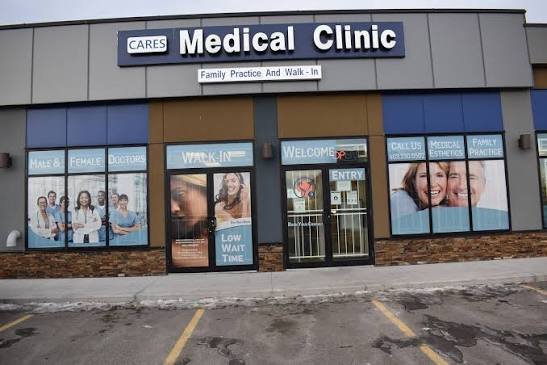
Finding the right medical clinics can make everyday healthcare more convenient, accessible, and consistent. Whether you need treatment for a minor illness, a routine checkup, preventive care, or help managing an ongoing health concern, the clinic you choose can influence your overall experience.
Medical clinics vary widely in their services, specialties, hours, costs, and approach to patient care. Understanding these differences can help you choose a facility that matches your healthcare needs rather than simply selecting the closest option.
What Are Medical Clinics?
Medical clinics are healthcare settings designed to provide outpatient care. Patients typically visit for an appointment, receive an assessment or treatment, and return home without staying overnight.
Some clinics provide broad primary care for individuals and families, while others focus on specific areas such as dermatology, cardiology, women’s health, orthopedics, mental health, or rehabilitation.
The right clinic depends on what you need. A person looking for a routine health examination may need a primary care clinic, while someone with a specific medical condition may benefit from a specialist.
Many clinics also coordinate care with laboratories, pharmacies, imaging centers, and hospitals when patients need additional services.
Common Types of Medical Clinics
Not every clinic offers the same type of care. Common categories include:
Primary Care Clinics
Primary care clinics are often the starting point for general healthcare. They may provide routine examinations, preventive services, treatment for common illnesses, and ongoing management of certain health conditions.
A primary care provider can also recommend or refer a patient to a specialist when more focused evaluation is needed.
Urgent Care Clinics
Urgent care clinics generally serve patients who need prompt attention for conditions that are not life-threatening but cannot easily wait for a routine appointment.
Depending on the facility, services may include evaluation of minor injuries, infections, cuts, sprains, or other short-term health concerns.
Specialist Clinics
Specialist clinics concentrate on particular medical fields. Examples include:
- Cardiology clinics
- Dermatology clinics
- Orthopedic clinics
- Gastroenterology clinics
- Neurology clinics
- Endocrinology clinics
- Ophthalmology clinics
- Women’s health clinics
Specialist care may be recommended when a condition requires expertise beyond general primary care.
Walk-In Clinics
Walk-in clinics allow patients to seek care without scheduling a traditional appointment in advance. Availability, services, and operating hours vary between facilities.
They can be useful for straightforward healthcare needs when a regular provider is unavailable.
Community Health Clinics
Community health clinics are designed to improve access to healthcare within local communities. Depending on the organization and location, they may provide primary care, preventive services, screenings, health education, or other support.
Some operate with programs designed to make healthcare more accessible to people with limited resources.
Services You May Find at a Clinic
The services available depend on the type of clinic, its medical staff, equipment, and local healthcare system.
Common services may include:
- Routine medical examinations
- Preventive healthcare
- Vaccinations
- Treatment for minor illnesses
- Management of chronic conditions
- Basic diagnostic testing
- Health screenings
- Minor procedures
- Medication management
- Specialist consultations
- Follow-up appointments
- Health education
Some facilities provide laboratory or imaging services on-site, while others send patients to separate diagnostic centers.
Before visiting, check whether the clinic provides the specific service you require.
Medical Clinic vs. Hospital
Although medical clinics and hospitals both provide healthcare, they serve different purposes.
| Medical Clinic | Hospital |
| Primarily provides outpatient care | Provides outpatient and inpatient care |
| Often focuses on routine, preventive, or specialized treatment | Handles more complex and serious medical conditions |
| Usually does not require overnight admission | Can provide overnight and extended stays |
| May offer appointments or walk-in services | Provides emergency and specialized hospital services |
| Often has a more focused range of services | Usually has broader diagnostic and treatment capabilities |
A clinic may be appropriate for routine healthcare or a non-emergency concern. A hospital may be necessary when someone requires emergency treatment, surgery, intensive monitoring, or specialized hospital-based care.
How to Choose the Right Medical Clinic
Choosing a clinic involves more than looking at distance. Consider several practical factors before making an appointment.
1. Identify the Type of Care You Need
Start by determining why you need healthcare. Is it a routine checkup, a new symptom, preventive care, treatment for an ongoing condition, or specialist evaluation?
Knowing your needs can immediately narrow down your options.
2. Check the Clinic’s Services
Review the clinic’s available services before booking an appointment. A facility may provide general consultations but not offer certain diagnostic tests or specialist care.
Confirm that the clinic can address your specific reason for visiting.
3. Consider Location and Accessibility
A convenient location can make regular appointments easier, especially when ongoing treatment or follow-up visits are required.
Also consider parking, public transportation, accessibility accommodations, and whether the facility is easy for you to reach.
4. Review Appointment Options
Check whether appointments are required and how far in advance they need to be scheduled. Some clinics provide same-day or walk-in appointments, while others operate mainly through scheduled visits.
Online booking or telephone scheduling may also be available.
5. Understand Costs and Insurance
Healthcare costs can vary significantly. Before receiving non-emergency care, ask about consultation fees, accepted insurance plans, payment methods, and possible additional charges.
If you have health insurance, confirm that the clinic and relevant provider are covered under your plan.
6. Consider Continuity of Care
For ongoing healthcare, having a consistent provider can make it easier to maintain medical records, track changes, and discuss previous treatments.
A clinic that offers follow-up appointments and coordinated care may be particularly useful for long-term health needs.
7. Look at Communication and Patient Experience
Good healthcare involves clear communication. You should feel comfortable asking questions and explaining your concerns.
During an appointment, pay attention to whether the healthcare professional explains the assessment, treatment options, instructions, and follow-up recommendations clearly.
What to Ask Before Your Appointment
A few questions can help prevent surprises:
- Does the clinic treat my particular health concern?
- Do I need an appointment?
- What documents or medical records should I bring?
- Does the clinic accept my insurance?
- Are laboratory or diagnostic services available?
- What should I do if I need follow-up care?
- Which healthcare professional will see me?
If you are taking medications or have previous medical records relevant to your visit, ask whether you should bring them or provide the information beforehand.
When a Clinic May Not Be Enough
Medical clinics are appropriate for many healthcare needs, but they are not a substitute for emergency services.
If someone has signs of a potentially life-threatening emergency—such as severe difficulty breathing, sudden loss of consciousness, severe chest pain, or symptoms of a major stroke—seek emergency medical care immediately rather than waiting for a routine clinic appointment.
For less urgent concerns, a clinic can often provide an initial assessment and determine whether additional medical care is needed.
Frequently Asked Questions
What is the main purpose of a medical clinic?
A medical clinic provides outpatient healthcare services. Depending on its focus, it may offer primary care, preventive services, treatment for minor illnesses, diagnostic services, or specialist consultations.
What is the difference between a clinic and a hospital?
Clinics generally focus on outpatient care, while hospitals can provide more extensive services, including emergency treatment, surgery, inpatient care, and intensive medical monitoring.
Can I visit a medical clinic without an appointment?
Some clinics accept walk-in patients, while others require scheduled appointments. Policies vary, so it is best to check with the specific clinic before visiting.
Do medical clinics provide specialist care?
Some clinics are dedicated to specific medical specialties, while general clinics may refer patients to specialists when specialized evaluation or treatment is required.
What should I bring to a medical appointment?
Depending on the visit, you may need identification, insurance information, a list of current medications, relevant medical records, and information about previous diagnoses or treatments.
How do I find a good medical clinic?
Consider the clinic’s services, location, healthcare professionals, appointment availability, costs, insurance arrangements, accessibility, and ability to meet your specific healthcare needs.
Can a medical clinic provide emergency treatment?
Most ordinary medical clinics are not designed to handle life-threatening emergencies. In a serious emergency, contact local emergency services or go to an appropriate emergency department.
Conclusion
Medical clinics provide an important part of everyday healthcare, from routine examinations and preventive services to treatment for common illnesses and specialized consultations. Because clinics differ in their services and capabilities, choosing one that fits your specific needs is important.
Before booking an appointment, consider the type of care required, available services, location, appointment options, costs, insurance coverage, and continuity of care. For urgent or potentially life-threatening symptoms, seek appropriate emergency medical attention rather than relying on a routine clinic visit.
Learn About: Organisation mondiale de la Santé
