

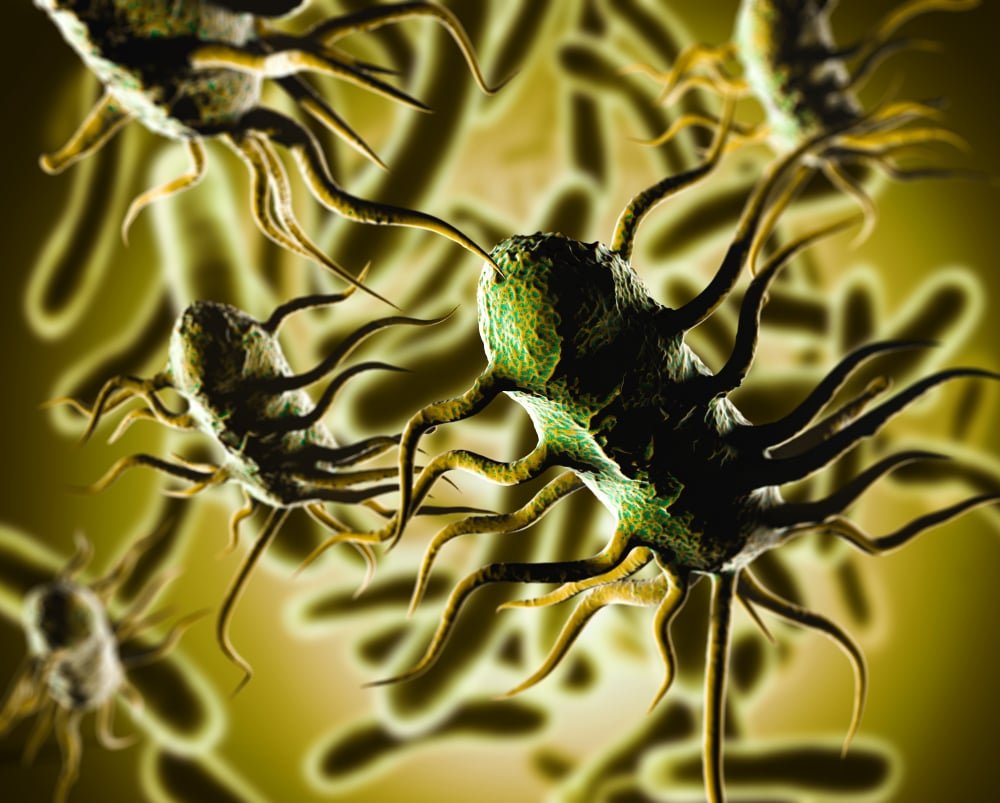
Listeria monocytogenes is a bacterium that can contaminate food and cause an infection called listeriosis. It can be particularly serious for pregnant women, newborns, adults aged 65 and older, and people with weakened immune systems. Common sources include certain ready-to-eat foods, deli meats, soft cheeses, smoked seafood, and unpasteurized dairy products. Good food handling, proper refrigeration, cooking, and avoiding higher-risk foods can reduce the chance of infection.
What Is Listeria Monocytogenes?
Listeria monocytogenes is a type of bacterium that can cause a foodborne infection known as listeriosis. People generally become infected by consuming food contaminated with the bacteria. While many foodborne illnesses cause short-term digestive symptoms, listeriosis can sometimes become invasive, meaning the infection spreads beyond the intestines into other parts of the body.
One unusual characteristic of Listeria is its ability to survive and grow at refrigerator temperatures. This means refrigeration slows many bacteria but does not necessarily eliminate Listeria. Proper food storage, hygiene, and handling are therefore important parts of prevention.
Listeria infection is relatively uncommon, but it can be serious for certain groups, especially pregnant women, newborns, adults aged 65 or older, and people with weakened immune systems.
Quick Facts About Listeria
| Fact | Information |
| Bacterium | Listeria monocytogenes |
| Illness caused | Listeriosis |
| Main transmission | Eating contaminated food |
| Common concern | Ready-to-eat and refrigerated foods |
| Higher-risk groups | Pregnant women, newborns, adults 65+, immunocompromised people |
| Can it grow in the refrigerator? | Yes, under suitable conditions |
| Common symptoms | Fever, muscle aches, fatigue; severe cases may cause neurological symptoms |
| Prevention | Safe food handling, proper cooking, refrigeration, cleaning, and avoiding high-risk foods |
How Listeria Spreads
The most common route of Listeria infection is eating contaminated food. Contamination can occur during food production, processing, packaging, preparation, or handling.
Listeria can be particularly concerning in foods that are stored in the refrigerator and eaten without additional cooking. Unlike some bacteria that are strongly inhibited by cold temperatures, L. monocytogenes can multiply slowly under refrigeration.
Cross-contamination is another concern. Bacteria can move from contaminated food to cutting boards, utensils, refrigerator shelves, countertops, or other foods. Cleaning surfaces and keeping raw and ready-to-eat foods separate can help reduce this risk.
Foods Commonly Associated With Listeria
Listeria can contaminate many different foods, but certain categories have been associated with a higher risk. These include:
- Deli meats and some ready-to-eat meat products
- Hot dogs
- Soft cheeses and queso fresco-type cheeses, particularly when made with unpasteurized milk
- Unpasteurized milk and dairy products
- Refrigerated pâté and meat spreads
- Refrigerated smoked seafood
- Raw sprouts
- Some fruits and vegetables, including melons
- Other refrigerated ready-to-eat foods
The specific risk depends on how food was produced, processed, stored, and handled. A food being on a risk list does not mean that every product in that category is contaminated.
Symptoms of Listeria Infection
Listeriosis can produce different symptoms depending on whether the infection remains in the digestive system or becomes invasive.
Intestinal Symptoms
Some people develop a relatively mild intestinal illness. Symptoms can include:
- Diarrhea
- Vomiting
These symptoms may begin relatively soon after eating contaminated food and often resolve within a few days.
Invasive Listeriosis
Invasive infection occurs when Listeria spreads beyond the intestines. Symptoms may include:
- Fever
- Muscle aches
- Fatigue
- Headache
- Stiff neck
- Confusion
- Loss of balance
- Seizures
Invasive listeriosis can be a medical emergency, particularly among people at higher risk.
An important feature of Listeria is that symptoms may not always appear immediately. CDC guidance notes that symptoms can sometimes occur weeks after exposure, making it important to consider recent food exposures when discussing unexplained illness with a healthcare professional.
Who Is Most at Risk?
Anyone can become infected with Listeria, but severe illness is more likely in certain groups.
Pregnant Women
Pregnancy is an especially important risk period. A pregnant person may experience only mild flu-like symptoms or no obvious illness, yet the infection can seriously affect the pregnancy or newborn. Possible complications include pregnancy loss, premature delivery, or severe infection in the newborn.
Newborns
Newborns can develop serious infections associated with maternal Listeria infection. Severe illness can include bloodstream infection or meningitis.
Older Adults
Adults aged 65 and older have a greater risk of developing invasive listeriosis and severe complications.
People With Weakened Immune Systems
People with weakened immune systems are also more vulnerable to invasive infection. This includes individuals whose immune defenses are reduced by certain medical conditions or treatments.
Listeria During Pregnancy
Food safety becomes especially important during pregnancy because Listeria infection can affect both the pregnant person and developing baby.
Pregnant women should pay particular attention to food preparation and choose safer alternatives when appropriate. Foods made with pasteurized ingredients, properly cooked foods, and carefully washed produce can help reduce exposure to foodborne pathogens. CDC also recommends following the basic food-safety principles of clean, separate, cook, and chill.
If a pregnant person develops fever, muscle aches, unusual tiredness, or other symptoms after eating food that may be contaminated, contacting a healthcare professional promptly is important.
How Listeria Is Prevented
Several practical habits can reduce the risk of Listeria infection.
Keep Your Refrigerator Cold
Keep the refrigerator at 40°F (4°C) or below and the freezer at approximately 0°F (-18°C). A refrigerator thermometer can help confirm that the appliance is maintaining a safe temperature.
Handle Ready-to-Eat Foods Carefully
Ready-to-eat refrigerated foods should not be stored indefinitely. The longer certain foods remain refrigerated, the more opportunity Listeria has to grow. Follow storage instructions and use foods within recommended time periods.
Prevent Cross-Contamination
Wash hands, utensils, cutting boards, and food preparation surfaces regularly. Keep foods that are ready to eat away from raw ingredients that could contaminate them.
Choose Pasteurized Products
When purchasing dairy products, check labels for pasteurization. During pregnancy and for other high-risk individuals, avoiding unpasteurized milk and foods made from it is an important precaution.
Follow Food Recalls
Food recalls and outbreak announcements can identify products that have been linked to contamination. If you have a recalled product, do not eat it. Follow official instructions for disposal or return and clean surfaces that may have come into contact with it.
What to Do After Possible Exposure
Eating a food that may have contained Listeria does not automatically mean that you will become sick. Exposure is more common than actual illness, and the risk of invasive disease after a particular exposure can be low.
However, if you develop symptoms after eating a recalled or outbreak-linked food, contact a healthcare professional and explain what you ate and when. This is especially important if you are pregnant, aged 65 or older, or have a weakened immune system.
Do not attempt to diagnose or treat a suspected Listeria infection on your own. A healthcare professional can determine whether testing or treatment is appropriate.
Frequently Asked Questions
Is Listeria monocytogenes a virus?
No. Listeria monocytogenes is a bacterium. It causes a bacterial infection called listeriosis.
Can Listeria grow in the refrigerator?
Yes. Listeria is unusual because it can survive and slowly grow at refrigerator temperatures. Keeping the refrigerator at 40°F (4°C) or below helps slow bacterial growth but does not kill Listeria.
What are the first signs of Listeria infection?
Common symptoms can include fever, muscle aches, and fatigue. Some people experience diarrhea or vomiting. More serious infections can cause headache, stiff neck, confusion, loss of balance, or seizures.
Why is Listeria dangerous during pregnancy?
Listeria can cross from the pregnant person to the fetus and may result in pregnancy loss, premature delivery, or serious infection in a newborn, even when the pregnant person’s symptoms are mild.
Can healthy people get listeriosis?
Yes. Anyone can become infected, although severe illness is much more likely among pregnant women, newborns, older adults, and people with weakened immune systems.
How can I reduce my risk of Listeria?
Use good food hygiene, keep your refrigerator at 40°F (4°C) or below, avoid unpasteurized dairy products, cook foods properly, prevent cross-contamination, and follow food recalls and safety recommendations.
Should I see a doctor after eating potentially contaminated food?
If you have no symptoms, testing or treatment is generally not automatically necessary. If you develop symptoms—especially if you are pregnant, older, or immunocompromised—contact a healthcare professional and mention the possible food exposure.
Conclusion
Listeria monocytogenes is a foodborne bacterium that deserves particular attention because it can survive and grow in refrigerated foods and can cause severe illness in vulnerable people. Understanding which foods carry greater risk, practicing safe food handling, maintaining proper refrigerator temperatures, and paying attention to food recalls can substantially reduce exposure.
For pregnant women, newborns, older adults, and people with weakened immune systems, careful food choices are especially important. When symptoms develop after a possible exposure, prompt medical advice can help determine the appropriate next steps.
Learn About: Healthy Beginnings
