

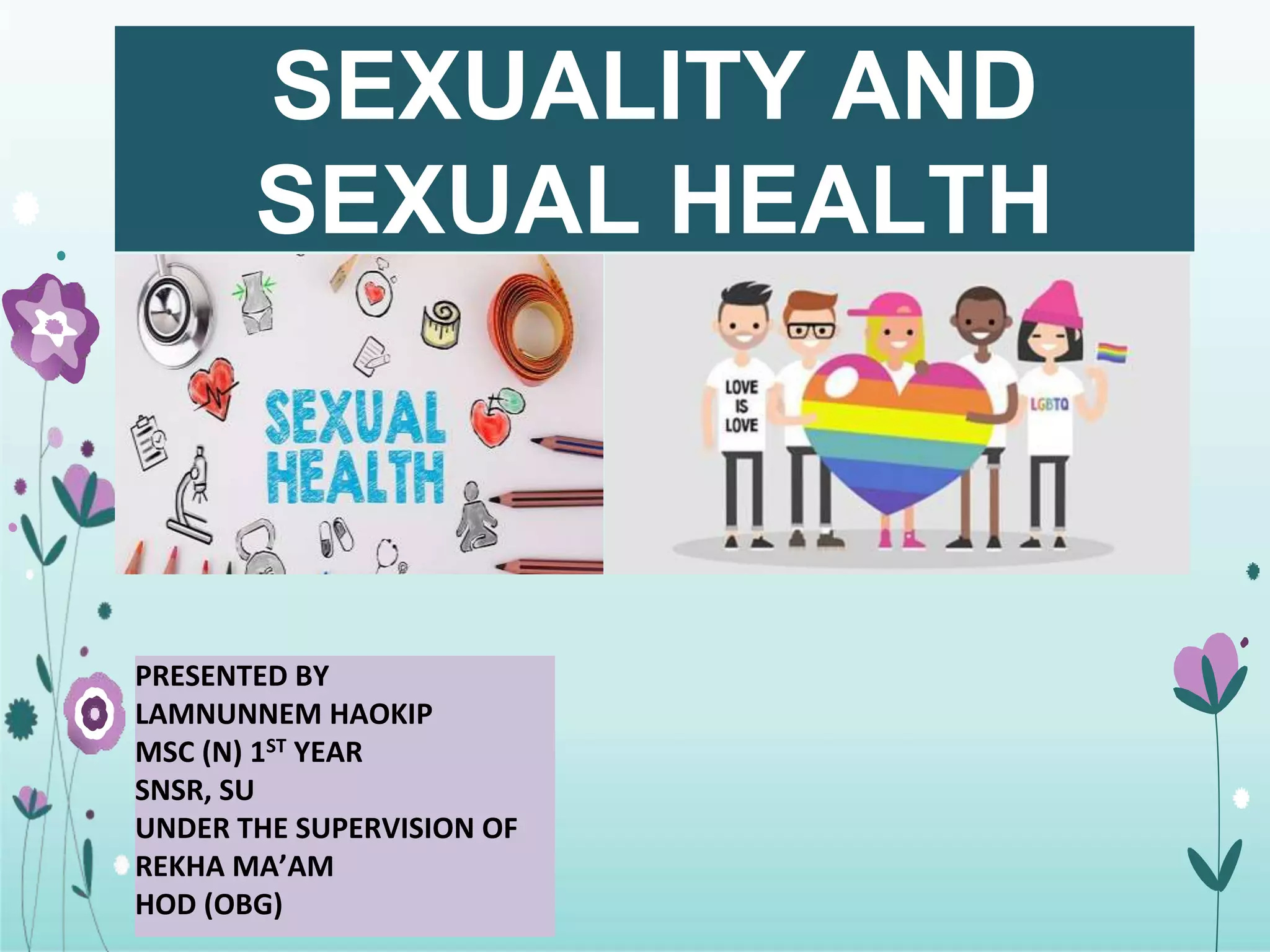
Healthy sexuality is an important part of overall well-being and healthy relationships. It involves more than physical intimacy—it also includes understanding your body, respecting personal boundaries, communicating openly, making informed decisions, and recognizing the importance of mutual consent. Everyone may have different values, experiences, and comfort levels when it comes to sexuality. Understanding these differences and approaching sexuality with respect, responsibility, and accurate information can help support healthier relationships and better physical and emotional well-being.
What Is Healthy Sexuality?
Healthy sexuality is an important part of overall well-being. It involves having a respectful and informed relationship with your body, your feelings, your personal boundaries, and your relationships with others.
The meaning of sexuality can be different for every person. It can include feelings of attraction, intimacy, identity, relationships, personal values, and decisions about sexual activity. A healthy approach does not require everyone to make the same choices. Instead, it focuses on choices that are informed, consensual, respectful, and appropriate for the people involved.
Healthy sexuality also means being able to make decisions without pressure, understand potential health considerations, communicate openly, and recognize when something does not feel right.
Why Healthy Sexuality Matters
Sexual well-being can affect several areas of life, including relationships, emotional health, confidence, and physical health. Having accurate information can make it easier to make responsible decisions and recognize unhealthy situations.
A healthy approach can help people:
- Understand and communicate their boundaries
- Make informed decisions about sexual activity
- Recognize the importance of mutual consent
- Develop respectful relationships
- Protect themselves and their partners from sexually transmitted infections
- Understand when professional medical advice may be appropriate
- Feel more comfortable asking questions about sexual health
There is no single definition of a perfect relationship or a specific level of sexual activity that everyone should follow. Personal circumstances, beliefs, age, values, and relationship goals all matter.
Consent Is a Core Part of Sexual Well-Being
Consent is one of the most important principles of healthy sexuality. It means that everyone involved freely agrees to a particular activity.
Consent should be voluntary and can be withdrawn at any time. Being in a relationship does not automatically mean that someone has agreed to every type of physical or sexual contact.
Healthy consent involves:
Freedom: A person should not feel forced, threatened, manipulated, or pressured into participating.
Understanding: People should know what they are agreeing to.
Communication: Consent can be expressed through clear communication rather than assumptions.
Ongoing agreement: Consent applies to the specific situation and can change during an interaction.
Respecting consent also means accepting a “no” without attempting to pressure someone into changing their decision.
Communication and Personal Boundaries
Good communication can make relationships safer and more respectful. Talking about expectations, comfort levels, boundaries, contraception, sexual health, and concerns may sometimes feel difficult, but honest communication can prevent misunderstandings.
Personal boundaries are limits that help people decide what they are and are not comfortable with. Everyone has the right to establish boundaries around physical contact, sexual activity, privacy, communication, and relationships.
A healthy relationship allows both people to express their boundaries without fear of ridicule, anger, or punishment.
It is also important to listen when another person communicates a boundary. Respect should work in both directions.
Physical and Sexual Health
Healthy sexuality includes taking reasonable steps to protect physical health. Depending on a person’s circumstances, this may involve contraception, STI prevention, testing, vaccination, or speaking with a qualified health professional.
Sexually transmitted infections can sometimes occur without obvious symptoms, so people who are sexually active may benefit from learning about appropriate testing and prevention based on their circumstances.
Barrier methods such as condoms can help reduce the risk of many sexually transmitted infections and can also be used as part of pregnancy prevention. Different contraceptive methods have different benefits and limitations, so discussing suitable options with a qualified healthcare professional can be helpful.
Vaccination can also play an important role in sexual health. For example, vaccination against human papillomavirus (HPV) can help prevent infections associated with several cancers and other health problems.
Good sexual health also means paying attention to changes in the body. Persistent pain, unusual discharge, sores, bleeding, erectile difficulties, or other unexpected symptoms can be reasons to seek medical advice rather than attempting to diagnose the problem independently.
Emotional Well-Being and Relationships
Sexual well-being is not only physical. Emotional comfort and relationship quality can be equally important.
A healthy relationship generally allows people to communicate openly, respect each other’s decisions, and maintain appropriate boundaries. People should not feel that they must engage in sexual activity to prove love, commitment, attraction, or loyalty.
It is also normal for feelings about intimacy and relationships to change over time. Stress, life circumstances, relationship experiences, medications, and physical or emotional health can influence desire and comfort.
Healthy sexuality therefore involves recognizing your own feelings instead of comparing yourself with other people.
Understanding Your Own Values
Personal values can influence decisions about relationships and sexual activity. Some people may choose to wait for marriage, while others may have different beliefs or relationship goals. Cultural, religious, family, and personal values can all shape how someone understands sexuality.
There is no need to make intimate decisions simply because friends, media, or other people suggest that you should.
Understanding your own values can help you make choices that feel appropriate and consistent with your beliefs. What matters most is that decisions are informed, voluntary, respectful, and considerate of everyone involved.
Recognizing Unhealthy Sexual Situations
Understanding healthy sexuality also means recognizing warning signs.
A situation may be unhealthy when someone:
- Ignores or repeatedly challenges another person’s boundaries
- Uses threats, guilt, manipulation, or pressure
- Refuses to respect a clear refusal
- Controls a partner’s sexual decisions
- Shares private sexual information or images without permission
- Prevents someone from accessing appropriate sexual or reproductive healthcare
- Makes someone feel afraid to communicate their needs
These behaviors should not be dismissed as normal parts of a relationship. If someone feels unsafe or controlled, seeking support from a trusted person or qualified professional can be an important step.
When to Seek Professional Support
Questions about sexual health are common, and healthcare professionals can provide confidential, evidence-based guidance appropriate to a person’s circumstances.
Consider speaking with a qualified healthcare professional if you have concerns about symptoms, contraception, STI testing, sexual pain, reproductive health, sexual function, or another aspect of your physical well-being.
Relationship counselors or mental health professionals may also be useful when concerns involve communication, intimacy, boundaries, anxiety, or relationship difficulties.
Seeking professional advice does not mean something is necessarily wrong. Sometimes it is simply the best way to get accurate information and make an informed decision.
Frequently Asked Questions
What does healthy sexuality mean?
Healthy sexuality involves informed, voluntary, and respectful choices about sexuality and relationships. It includes consent, communication, boundaries, physical health, emotional well-being, and respect for yourself and others.
Is healthy sexuality only about sexual activity?
No. Sexuality is broader than sexual activity. It can include attraction, intimacy, relationships, identity, personal values, body awareness, and emotional experiences.
Why is consent important?
Consent ensures that everyone involved freely agrees to what is happening. It should not be obtained through pressure or manipulation and can be withdrawn at any time.
How can partners communicate about sexual boundaries?
Partners can discuss what they are comfortable with, what they are not comfortable with, and what they expect from each other. Listening without judgment is just as important as expressing your own boundaries.
How can people protect their sexual health?
Depending on individual circumstances, people can consider safer-sex practices, appropriate contraception, STI testing, vaccination, and regular healthcare. A qualified healthcare professional can provide personalized guidance.
Is it normal for sexual desire to change?
Yes. Sexual desire can vary between people and may change throughout life. Stress, relationships, medications, health conditions, and other circumstances can influence desire.
What should someone do if their boundaries are not respected?
Ignoring someone’s boundaries is not healthy behavior. A person who feels pressured or unsafe can consider reaching out to someone they trust and, where appropriate, seeking professional or local support.
Where can someone get reliable sexual health information?
Qualified healthcare professionals, reputable public-health organizations, and established medical resources are better sources than anonymous online posts or unverified claims. Professional guidance can also take individual circumstances into account.
Conclusion
Healthy sexuality is about much more than sexual activity. It involves understanding yourself, respecting other people, communicating clearly, establishing boundaries, making informed choices, and taking care of physical and emotional well-being.
There is no single way for everyone to approach relationships or sexuality. What matters is that choices are made freely, responsibly, and with mutual respect. When questions or concerns arise, reliable information and professional guidance can help people make decisions that support their health, safety, and overall well-being.
Learn About: Health and Human Services
