

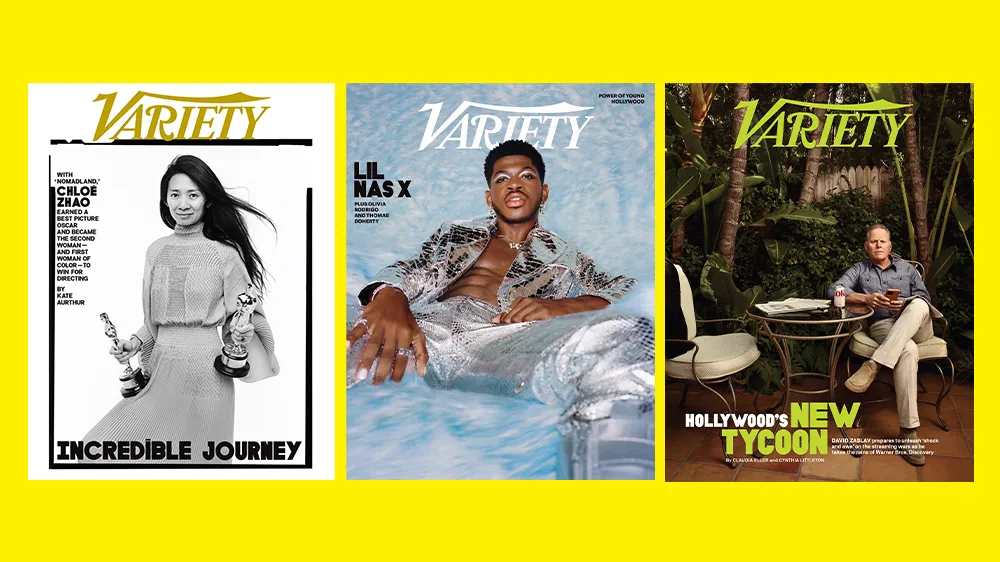
Few publications have remained closely connected to the entertainment business for as long as Variety magazine. Since its beginnings in 1905, Variety has documented major developments across Hollywood and the wider entertainment industry, creating an extensive historical record of film, television, music, and media.
Today, Variety operates across print and digital platforms. Its coverage extends beyond celebrity news, focusing heavily on the business and creative forces shaping entertainment. Readers can find reporting about movies, television, music, theater, technology, podcasts, awards, production, and changing media markets.
The publication is particularly relevant to people who want to understand not only what is happening in entertainment, but also why those developments matter to studios, networks, streaming companies, creators, performers, and audiences.
What Is Variety Magazine?
Variety is an entertainment and media publication with a long history of covering the business of show business. Its editorial coverage combines breaking news with analysis, interviews, reviews, industry reporting, and special features.
Unlike publications that concentrate mainly on celebrity lifestyles, Variety has traditionally placed significant attention on the entertainment industry itself. Its reporting can cover business deals, production activity, box office performance, television developments, streaming, technology, awards, and changes affecting media companies.
Variety also maintains an extensive archive dating back to 1905, giving researchers and industry professionals access to historical entertainment reporting.
The History of Variety
Variety began in 1905, making it one of the longest-running publications associated with the entertainment industry. Its historical importance comes partly from its ability to document the development of American entertainment through different eras.
Over the decades, the entertainment business changed dramatically. Silent films gave way to talking pictures, television became a major medium, home video transformed distribution, and digital platforms later changed how audiences consumed content.
Throughout these changes, Variety continued reporting on the companies, creators, performers, productions, and business developments shaping the industry.
Its archives now represent more than a century of entertainment journalism. Variety describes its archive as covering the period from 1905 to the present.
What Does Variety Cover?
Variety’s editorial coverage is broad, but entertainment and media remain at its center.
Major coverage areas include:
| Coverage Area | Examples |
| Film | Movies, reviews, production, box office, filmmakers |
| Television | Series, networks, streaming, ratings, executives |
| Music | Artists, releases, industry developments |
| Awards | Oscars, Emmys, festivals, guild awards |
| Theater | Productions, performers, Broadway and stage news |
| Business | Deals, companies, executives and market developments |
| Technology | Media technology and entertainment innovation |
| Podcasts | Industry conversations and podcast developments |
| Comedy | Performers, programs and comedy-related news |
| Global Entertainment | International markets and entertainment trends |
The publication’s current newsletter offerings reflect this broad approach, with dedicated areas for film, television, music, technology, awards, global entertainment, podcasts, and more.
Variety’s Role in Entertainment Journalism
Entertainment journalism can serve several purposes. It can report breaking developments, examine business decisions, review creative work, and provide context for industry changes.
Variety combines these functions. Its current subscription materials describe its reporting as including entertainment news, in-depth analysis, breaking news, and special reports using data, charts, and infographics.
This combination makes the publication useful to more than casual entertainment readers.
For example, someone following a new film can use entertainment coverage to learn about the production, reviews, release, and industry response. A media professional may instead be interested in financing, distribution, acquisitions, streaming strategies, or executive changes.
Film and Television Coverage
Film and television are central parts of Variety’s editorial identity.
Its film reporting includes news, reviews, box office developments, production information, filmmaker interviews, and awards coverage. Its television coverage examines shows, networks, streaming services, creators, performers, and developments affecting the TV business.
This makes Variety useful for readers interested in both the creative side and business side of screen entertainment.
For instance, a major television development may involve more than the announcement of a new series. Industry reporting can examine its network or streaming home, production company, talent, distribution strategy, audience performance, and broader market significance.
Music, Theater, and Digital Media
Variety’s coverage extends beyond movies and television.
Music reporting provides information about artists and developments across the music business. Theater coverage examines productions, performers, and developments in live entertainment. The publication also covers podcasts and technology, reflecting how entertainment increasingly crosses traditional media boundaries.
This broader coverage matters because modern entertainment is interconnected.
A successful film can generate streaming interest, soundtrack activity, merchandise, awards attention, and international distribution. Likewise, television personalities and musicians can build audiences through podcasts and digital platforms.
Variety and Awards Coverage
Awards are another major area of Variety’s coverage.
The publication reports on major entertainment awards, nominations, ceremonies, campaigns, and industry reactions. Its current newsletter offerings include dedicated awards coverage, including Awards Circuit and Awards HQ.
Variety also reports on guild and industry awards. For example, its 2026 coverage of the Directors Guild of America Awards included film and television categories as well as the winners across multiple directing fields.
Awards coverage is valuable because these events can provide insight into the recognition surrounding films, television programs, performers, directors, and other creative professionals.
Why Industry Professionals Follow Variety
Variety has a particular appeal for people working in entertainment and media because its coverage frequently addresses the business behind entertainment.
Professionals may follow the publication for information about:
- Industry deals and partnerships
- Production and distribution developments
- Streaming trends
- Film and television releases
- Box office performance
- Executive appointments
- Awards and industry recognition
- Media technology
- Global entertainment markets
- Interviews with industry figures
The publication also produces conferences for entertainment and media professionals, further extending its role beyond traditional journalism. Variety says it produces more than 30 conferences annually in Los Angeles, New York, and other locations.
Print and Digital Publishing
Although Variety has a historic print identity, its modern presence is strongly digital.
Readers can access breaking entertainment news, analysis, reviews, newsletters, special reports, and other digital content. The publication also continues to maintain magazine-focused content, including interviews, features, and photography.
Its digital expansion allows Variety to reach readers who want immediate news while preserving its role as a publication with a substantial historical record.
The combination of current reporting and archival material is particularly useful for researchers examining how entertainment trends have developed over time.
What Makes Variety Different From General Entertainment Websites?
One of the clearest distinctions is its emphasis on the entertainment business.
A general entertainment website may focus primarily on celebrity updates, lifestyle stories, viral content, or audience-oriented news. Variety frequently approaches entertainment from an industry perspective.
That means a story can examine not just a movie or television show, but also:
- Who produced it?
- How was it distributed?
- Which companies are involved?
- How is the market responding?
- What does the development mean for the wider industry?
This business-oriented perspective has helped Variety maintain a distinct position within entertainment journalism.
How to Use Variety as a Research Source
Variety can be useful when researching entertainment history, current industry developments, awards, film and television releases, and media trends.
For reliable research, readers should:
- Check the publication date of an article.
- Distinguish news reporting from opinion or commentary.
- Compare major claims with primary sources when appropriate.
- Check whether information relates to current or historical events.
- Look at original announcements when researching specific business deals.
- Use Variety’s archives when studying historical entertainment developments.
Using multiple sources is particularly important for rapidly changing information such as release dates, streaming availability, business deals, and awards developments.
Key Takeaways
- Variety magazine was established in 1905.
- It is closely associated with entertainment and media industry journalism.
- Its coverage includes film, television, music, theater, technology, podcasts, awards, and business news.
- Variety combines breaking news with analysis, reviews, interviews, and special reports.
- Its archives extend from 1905 to the present.
- The publication serves both entertainment professionals and general readers interested in the industry.
- Its digital presence complements its long-standing print and magazine identity.
- Variety remains a useful source for understanding developments across the global entertainment business.
Frequently Asked Questions
What is Variety magazine?
Variety is an entertainment industry publication founded in 1905, covering film, television, music, theater, awards, and media business.
When was Variety magazine founded?
Variety was founded in 1905 and has documented entertainment industry developments for more than a century.
What does Variety magazine cover?
It covers movies, television, music, theater, awards, technology, podcasts, and entertainment business news.
Is Variety only about celebrities?
No. It also covers entertainment companies, production, distribution, business deals, and industry trends.
Does Variety cover awards?
Yes. Variety provides news and analysis about major film, television, and entertainment awards.
Can I access old Variety articles?
Yes. Variety provides access to an extensive archive covering 1905 to the present.
Why is Variety important?
Its long history and industry-focused coverage make it a valuable source for entertainment and media news.
Conclusion
Variety magazine has evolved alongside the entertainment industry for more than a century. Founded in 1905, it has documented major changes in movies, television, music, theater, media technology, and entertainment business.
Its modern coverage combines breaking news, analysis, reviews, interviews, awards reporting, and industry information. At the same time, its historical archives provide a valuable record of how entertainment developed across generations.
For readers interested in understanding both the creative world of entertainment and the business that supports it, Variety offers a broad perspective that extends well beyond everyday celebrity news.
Learn About: BILD Zeitung and News
