

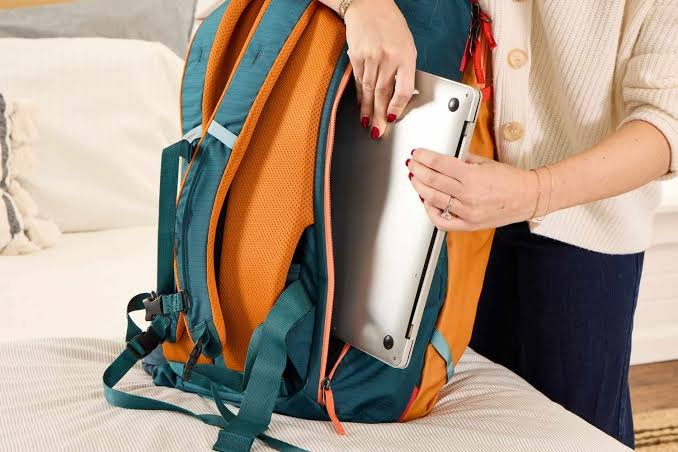
Choosing the right backpack can make traveling considerably easier. A well-designed travel backpack keeps your clothes, electronics, documents, toiletries, and other essentials organized while allowing you to move comfortably through airports, train stations, city streets, and other destinations.
However, there is no single backpack that works perfectly for every traveler. Someone taking a two-day city break may need a compact 25-liter bag, while a traveler spending a week abroad may prefer 35–45 liters. A digital nomad may prioritize laptop protection and organization, while a hiker may care more about suspension, ventilation, and load support.
This travel backpack recommendation guide explains the most important factors to consider before buying one. Instead of focusing only on brand names, it looks at size, comfort, organization, durability, airline compatibility, and different travel styles.
What Makes a Good Travel Backpack?
A good travel backpack should balance capacity, comfort, organization, durability, and portability.
Travel backpacks are different from ordinary school or daypacks because they are often designed specifically for longer journeys. Many feature suitcase-style openings, multiple compartments, padded laptop sections, luggage pass-through sleeves, stowable straps, and supportive harness systems.
REI’s 2026 travel-backpack guide highlights comfortable carrying systems and smart organization as two common characteristics of effective travel packs.
Before buying, consider these questions:
- How many days will you normally travel?
- Will you use the backpack as carry-on luggage?
- Do you need to carry a laptop or camera?
- Will you walk long distances with it?
- Are you traveling mainly in cities or outdoors?
- Do you prefer minimalist packing or bringing more belongings?
Your answers can quickly narrow down the appropriate backpack.
How to Choose the Right Backpack Size
Capacity is usually measured in liters (L). The right size depends more on your packing habits than on the number of days alone.
| Backpack Capacity | Best For | Typical Use |
| 20–25 L | Minimalists | Day trips, personal items |
| 25–35 L | Short trips | Weekend travel |
| 30–40 L | General travel | Carry-on travel and several days |
| 40–45 L | Longer trips | Week-long travel with careful packing |
| 50–55 L | Extended travel | More clothing and equipment |
Travelpro recommends roughly 25–35 liters for weekend trips and around 30–45 liters for week-long travel, although airline restrictions and individual packing needs vary.
Is a 30–40 Liter Backpack Enough?
For many travelers, yes. A 30–40 liter backpack can provide enough space for several outfits, toiletries, electronics, shoes, and travel essentials without becoming unnecessarily bulky.
A 35-liter travel backpack, for example, can be a practical choice for someone who wants one bag for a short international trip.
Should You Choose a 40–45 Liter Backpack?
Consider a larger backpack if you travel for a week or more, carry additional equipment, or simply need more packing capacity.
The trade-off is that a larger backpack can become heavy and may exceed an airline’s size or weight restrictions when fully packed.
Important Features to Look For
Comfortable Shoulder Straps
Comfort matters when you are carrying a backpack through an airport or walking around a destination for several hours.
Look for:
- Padded shoulder straps
- Adjustable straps
- Breathable materials
- A supportive back panel
- A sternum strap
- A hip belt on larger packs
A hip belt can help transfer some of the backpack’s weight away from your shoulders, particularly on larger travel packs.
Laptop Compartment
If you travel with a laptop, choose a backpack with a dedicated padded compartment.
Check the manufacturer’s stated laptop size rather than assuming every 15- or 16-inch laptop will fit. A separate electronics compartment can also make airport security checks more convenient.
Clamshell Opening
A clamshell backpack opens similarly to a suitcase. This makes it easier to see and organize your belongings than a traditional top-loading hiking backpack.
This feature can be particularly useful when you want quick access to clothing without removing everything from the bag.
Water Bottle Pocket
An external water bottle pocket is a small feature that can make a significant difference during travel. It allows you to keep your bottle accessible without opening the main compartment.
Luggage Pass-Through Sleeve
If you sometimes travel with a rolling suitcase, a luggage sleeve lets you attach the backpack to the suitcase handle.
This can reduce the amount of weight you need to carry through airports and train stations.
Durable, Weather-Resistant Materials
Travel bags experience plenty of wear. Look for durable fabric, reinforced stitching, quality zippers, and reasonable water resistance.
Water-resistant does not necessarily mean waterproof, so travelers visiting rainy destinations may also want a rain cover or waterproof packing bags.
Travel Backpack Recommendations by Travel Style
Best for Weekend Travelers
A 25–35 liter backpack is generally a practical starting point for weekend trips.
Choose a lightweight design with enough room for clothing, toiletries, electronics, and personal items. Avoid buying a much larger bag simply because it provides more space—you may end up filling it with unnecessary items.
Best for Frequent Flyers
Frequent flyers should prioritize:
- Airline-compatible dimensions
- Comfortable carrying
- Easy organization
- Durable materials
- Stowable straps
- Laptop protection
- Quick-access pockets
A compact clamshell-style backpack can be especially convenient because it combines luggage-style packing with backpack portability.
Best for Digital Nomads
Digital nomads often need to carry more technology than ordinary vacation travelers.
A suitable backpack may include:
- Padded laptop compartment
- Tablet sleeve
- Charger organization
- Cable pockets
- Passport pocket
- Water bottle storage
- Comfortable suspension
Organization becomes particularly important when your backpack functions as both travel luggage and a mobile office.
Best for Hiking and Adventure Travel
If your trip includes significant hiking, trekking, or outdoor activities, consider a backpack designed for those conditions rather than choosing a traditional urban travel pack.
Look for:
- Adjustable torso fit
- Supportive hip belt
- Ventilated back panel
- Durable materials
- Hydration compatibility
- Weather resistance
- External gear attachment points
REI notes that travelers doing substantial hiking may benefit from a backpacking-style pack rather than a conventional travel backpack.
Backpack vs. Suitcase
Both options have advantages.
| Factor | Travel Backpack | Suitcase |
| Stairs | Easy | More difficult |
| Uneven streets | Convenient | Can be awkward |
| Airports | Easy to carry | Easy to roll |
| Organization | Usually flexible | Often excellent |
| Hands-free movement | Yes | No |
| Heavy loads | Can become tiring | Easier to roll |
| Public transport | Convenient | Can require more maneuvering |
A backpack is particularly useful when your journey involves stairs, cobblestones, public transportation, or destinations where rolling luggage is inconvenient.
A suitcase may be preferable if you primarily stay in hotels, travel on smooth surfaces, or prefer not to carry weight on your back.
Check Airline Requirements Before Traveling
One of the most important parts of choosing a travel backpack is checking the airline’s current baggage policy.
There is no universal carry-on size that applies to every airline. For example, 22 × 14 × 9 inches is a common U.S. reference point, but actual requirements vary by airline, route, aircraft, and fare type.
Also remember the difference between:
- Personal item: Usually fits underneath the seat.
- Carry-on: Usually stored in the overhead compartment.
- Checked luggage: Larger baggage transported in the aircraft hold.
A backpack that qualifies as a carry-on may not qualify as a personal item.
Always check the airline’s official baggage rules before departure, particularly when flying with budget carriers or internationally.
Common Mistakes to Avoid
Buying Too Large a Backpack
More capacity is not always better. A large backpack can encourage overpacking and become uncomfortable when fully loaded.
Ignoring Empty Weight
Two backpacks with the same capacity can have noticeably different empty weights. If you intend to walk frequently, every extra pound matters.
Choosing Style Over Comfort
A stylish backpack is useful only if you can comfortably carry it. Test the straps, back panel, and weight distribution before committing to a bag.
Assuming “Carry-On” Means Every Airline
Manufacturers may describe a product as carry-on compatible, but airlines have different restrictions. Always verify the actual dimensions.
Forgetting Accessibility
A backpack with dozens of pockets is not necessarily better. Choose compartments that match how you actually organize your belongings.
How to Pack a Travel Backpack
A simple packing system can make even a moderately sized backpack surprisingly effective.
- Place heavier items close to your back. This can improve weight distribution.
- Use packing cubes to separate clothing and improve organization.
- Keep frequently needed items accessible. Store passports, chargers, headphones, and medications where you can reach them easily.
- Protect electronics. Use dedicated padded compartments when available.
- Leave some empty space. A completely stuffed backpack can become difficult to close and may exceed airline limits.
- Weigh the packed backpack. This is especially important when your airline has a carry-on weight limit.
Key Takeaways
- A 30–40 liter backpack is a versatile starting point for many travelers.
- Choose capacity based on your trip length and packing habits.
- Comfort is just as important as storage capacity.
- Look for useful features such as padded laptop compartments, clamshell openings, water bottle pockets, and luggage sleeves.
- Adventure travelers may benefit from backpacking-style packs.
- Digital nomads should prioritize technology protection and organization.
- Always verify your airline’s current size and weight requirements.
- Avoid buying a backpack simply because it has the largest capacity.
- Packing cubes can improve organization and help maximize available space.
Frequently Asked Questions
What is the best size for a travel backpack?
A 30–40 liter backpack works well for many travelers. Weekend trips may need 25–35 liters, while longer trips may require 40–45 liters.
Is a 40L backpack too big for carry-on?
Not necessarily, as airline limits vary. Always check the backpack’s dimensions and weight against your airline’s current baggage rules.
Can a travel backpack replace a suitcase?
Yes, a well-sized travel backpack can replace a suitcase for travelers who prefer packing light. It is especially convenient for stairs, public transport, and uneven streets.
What should I look for in a travel backpack?
Consider size, comfort, weight, durability, organization, and airline compatibility. A padded laptop compartment and supportive straps are useful for frequent travelers.
Is a backpack better than rolling luggage?
It depends on your travel style and needs. Backpacks are convenient for stairs and uneven surfaces, while rolling luggage can be easier for carrying heavier loads.
How many liters should a backpack be for a one-week trip?
A 30–45 liter backpack can work well for a one-week trip when packed efficiently. For strict carry-on travel, a smaller size may be more practical.
Are travel backpacks
Conclusion
Finding the right travel backpack is less about choosing the biggest or most popular bag and more about matching the backpack to the way you travel.
For general travel, a 30–40 liter model can provide a strong balance of space and portability. Short-trip travelers may prefer something smaller, while extended or adventure trips may require additional capacity and stronger load support.
Pay close attention to comfort, organization, durability, and airline dimensions. Features such as a clamshell opening, padded laptop compartment, water bottle pocket, luggage sleeve, and stowable straps can also make a noticeable difference.
Ultimately, the best travel backpack recommendation for you is the one that fits your body, your packing habits, your trip, and the baggage rules of the airlines you use.
Learn About: Travel News and Magazines
