

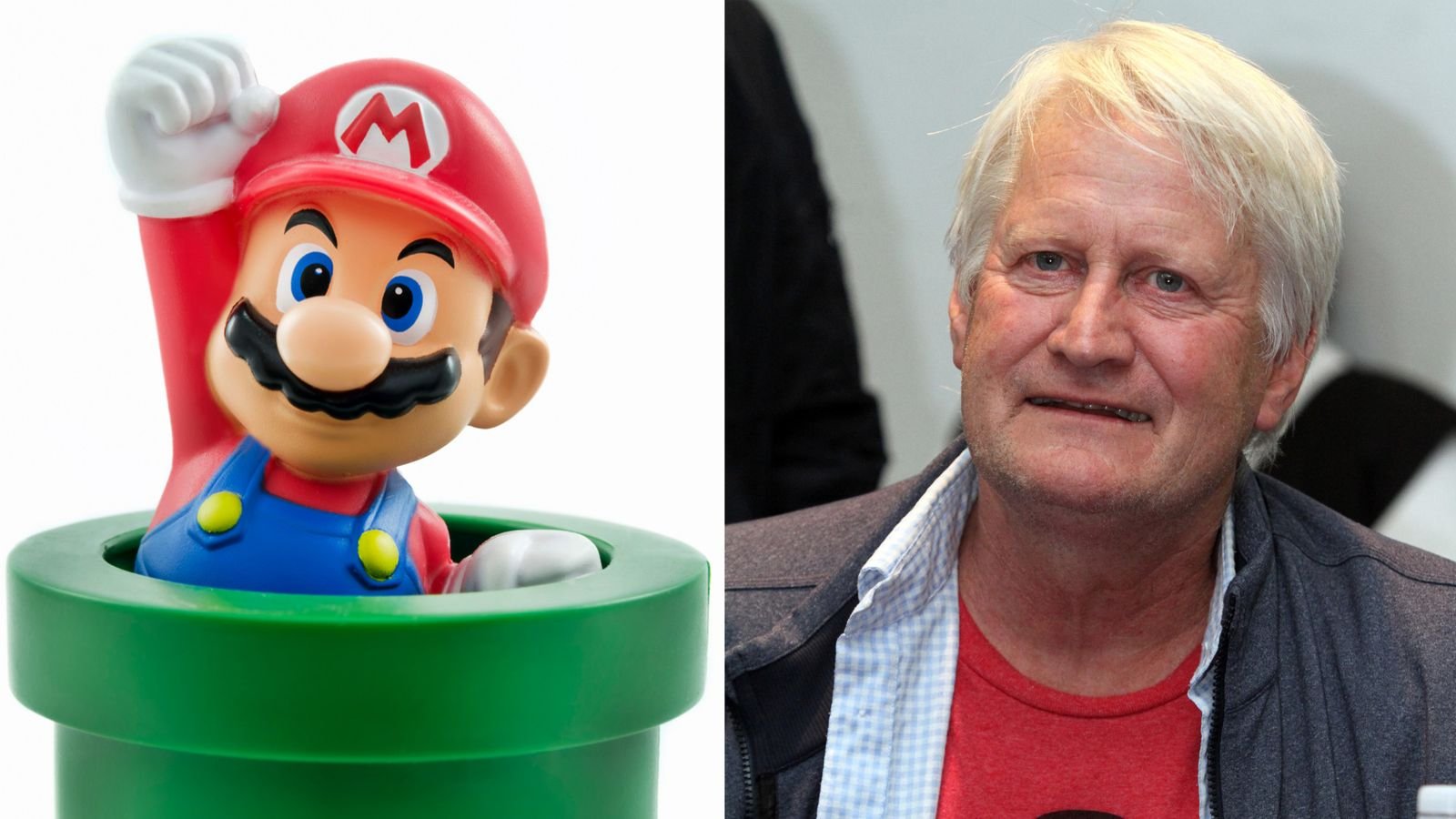
If you’ve ever played a Mario game, there’s a good chance you can hear his voice in your head right away. That cheerful “Woo-hoo!” or excited laugh is almost as recognizable as the red cap itself. But have you ever stopped to wonder who actually gives Mario that personality?
The story of the mario voice actor is surprisingly interesting because Mario hasn’t always sounded exactly the same. Different performers have helped shape the character over the years, with one voice becoming especially important to the modern identity of the famous Nintendo hero.
Mario Voice Actor
| Category | Details |
| Profession | Voice Actor |
| Character | Mario |
| Game Series | Super Mario |
| Game Company | Nintendo |
| Famous Voice | Charles Martinet |
| Current Voice | Kevin Afghani |
| Voice Transition | 2023 |
| Popular Game | Super Mario Bros. Wonder |
| Voice Style | Energetic, cheerful & expressive |
| Character Status | One of gaming’s most recognizable characters |
| Main Role | Giving Mario his distinctive personality and voice |
Who Is the Mario Voice Actor?
When people talk about the modern Mario voice, they’re usually talking about Charles Martinet, the American voice actor who became closely associated with the character for decades.
Martinet first voiced Mario in the 1990s and quickly gave the character a distinctive personality. Instead of making Mario sound like a typical cartoon character, he used a playful Italian-American style that felt energetic, friendly, and a little goofy.
That voice became a huge part of Mario’s identity.
Martinet also voiced several other characters from the Mario universe, including Luigi, Wario, and Waluigi. So, for many longtime Nintendo fans, his voice wasn’t connected to just one character.
Charles Martinet’s Breakthrough With Mario
The story of how Martinet got the role is one of those entertainment stories that sounds almost too perfect.
He auditioned for Mario and experimented with different ways of speaking. The result was a high-pitched, enthusiastic voice that Nintendo eventually embraced.
Once Mario started talking regularly in games, the character felt different. He wasn’t just a silent video-game mascot anymore. He had attitude, humor, excitement, and a very recognizable way of reacting to what was happening on screen.
Why Mario’s Voice Became So Important
Mario originally communicated mostly through actions, sound effects, and short phrases. His voice wasn’t the main attraction.
That changed as games became more expressive.
Titles such as Super Mario 64 gave Mario much more personality. Players heard him jump, celebrate, complain, laugh, and react to the world around him. Suddenly, the voice wasn’t just a small feature. It helped tell players who Mario was.
And honestly, that’s probably why the voice became so memorable.
You don’t need someone to say “Mario” for very long before many fans recognize exactly who they’re hearing.
The Voice Behind Other Mario Characters
One of the fun things about Charles Martinet’s work is that he didn’t stop with Mario.
Luigi
Luigi has a noticeably different personality from his brother, and Martinet helped bring that nervous, slightly awkward energy to the character.
Mario is usually confident and enthusiastic. Luigi often feels more cautious. That contrast makes the two brothers work so well together.
Wario
Wario is practically the opposite of Mario in personality. He’s loud, selfish, mischievous, and often ridiculous.
Martinet pushed his voice much further for Wario, creating a character who sounds completely different from Mario despite being voiced by the same performer.
Waluigi
Waluigi’s voice is even more exaggerated. His dramatic reactions and strange vocal sounds helped make him one of the more recognizable side characters in the series.
It’s a good reminder that voice acting isn’t simply about reading lines. The performer has to create a personality.
Who Voices Mario Now?
Nintendo announced in 2023 that Charles Martinet would step away from voicing Mario and other characters, moving into an ambassador role for the company.
Following that change, Kevin Afghani became the new voice of Mario and Luigi in Super Mario Bros. Wonder.
That was a pretty big moment for longtime fans. Whenever a character has had the same familiar voice for years, a replacement can feel strange at first.
Afghani brought his own interpretation to Mario rather than simply trying to become a perfect copy of Martinet.
And that’s probably the healthiest way to approach it. Mario has existed for generations, so his voice can evolve while the character himself stays recognizable.
Kevin Afghani’s Take on Mario
Kevin Afghani’s performance in Super Mario Bros. Wonder keeps the energetic spirit fans expect from Mario while giving the character a slightly different sound.
The change is noticeable, but not in a way that completely breaks the character.
For newer players, Afghani’s voice may simply feel like Mario’s voice. Older fans, of course, may always associate the character most strongly with Martinet.
That’s normal. Voices can become tied to specific periods of our lives, especially when a game was something we played repeatedly as kids.
Mario Voice Actor Timeline
| Period | Voice Actor | Notable Connection |
| Early Mario era | Various performers | Mario had limited spoken dialogue |
| 1990s–2023 | Charles Martinet | Established the iconic modern Mario voice |
| 2023 onward | Kevin Afghani | Became the voice of Mario and Luigi in Super Mario Bros. Wonder |
The change isn’t just a casting detail. It represents another stage in Mario’s incredibly long history.
Why Fans Still Remember Charles Martinet
There are certain video-game voices that become inseparable from the characters they represent. Martinet’s Mario is one of those examples.
For players who grew up with Super Mario 64, Mario Kart, Super Mario Sunshine, Super Mario Galaxy, and other Nintendo titles, hearing that voice can bring back memories almost instantly.
Maybe it reminds someone of sitting in front of an old television after school. Maybe it brings back memories of playing multiplayer with siblings. That’s the funny thing about voice acting — you don’t always realize how important it is until the voice changes.
The mario voice actor became part of the experience itself, not just another name in the credits.
What Makes Mario’s Voice So Recognizable?
There are a few things that make Mario’s voice stand out.
First, it’s extremely expressive. Mario can sound excited, surprised, frustrated, scared, or delighted within seconds.
Second, the voice fits his visual design. Mario is colorful, energetic, and larger than life. A quiet or serious voice probably wouldn’t have worked nearly as well.
And third, the short phrases are memorable. Mario doesn’t need long speeches. A few words, a laugh, or a dramatic reaction can communicate plenty.
A Voice Designed for Games
Video-game voice acting is a little different from traditional movie acting. A performer may need to record the same kinds of reactions repeatedly — jumps, falls, attacks, celebrations, injuries, and other gameplay moments.
That means the actor needs stamina and consistency.
Mario’s exaggerated reactions also have to remain understandable while the player is busy controlling the character. It’s a strange balance, but when it works, you barely notice the technique behind it.
The Legacy of Mario’s Voice
Mario has been around for decades, and his voice has evolved alongside the games.
Charles Martinet played a major role in defining the sound most fans associate with modern Mario. Kevin Afghani now represents a newer chapter for the character.
Neither part of that history needs to erase the other.
That’s what makes the transition interesting. Mario is bigger than any single performer. Still, the people behind the microphone deserve credit because their performances help turn a collection of pixels and animations into a character people genuinely care about.
Conclusion
Mario may be one of gaming’s simplest-looking characters, but his personality has been carefully shaped over many years. Voice actors have played a major role in that process.
Charles Martinet gave Mario a voice that became legendary among Nintendo fans, while Kevin Afghani has taken on the character for a new generation.
The voice might change over time, but that familiar sense of fun remains. And really, that’s what Mario has always been about — jumping into another adventure, making a little noise, and somehow convincing millions of people to come along for the ride.
FAQs About the Mario Voice Actor
Who was the original modern voice of Mario?
Charles Martinet is widely recognized as the voice who established Mario’s modern speaking style, beginning with his work in the 1990s.
Who voices Mario now?
Kevin Afghani became the voice of Mario and Luigi in Super Mario Bros. Wonder following Charles Martinet’s move away from regular voice work for the characters.
Did Charles Martinet voice Luigi too?
Yes. Martinet voiced Luigi as well as several other characters, including Wario and Waluigi.
When did Charles Martinet stop voicing Mario?
Nintendo announced in 2023 that Martinet would no longer provide Mario and Luigi’s regular voices and would instead serve as a Mario Ambassador.
Why did Mario’s voice change?
The change followed Martinet’s transition away from regular voice performances for Mario and other characters. Kevin Afghani subsequently took over the role.
What game featured Kevin Afghani as Mario?
Kevin Afghani provided the voices of Mario and Luigi in Super Mario Bros. Wonder, released in 2023.
Read More About: Timothy Busfield
