

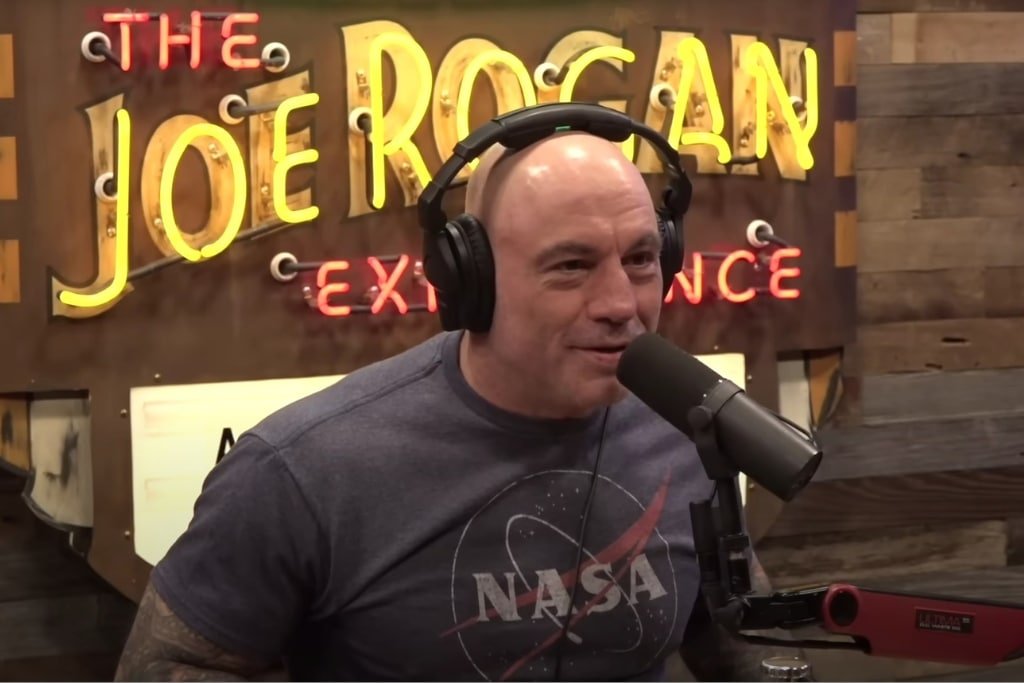
You can hear a person’s name so often that it starts to feel familiar, even if you’ve never watched their work closely. That’s probably the case with Joe Rogan. Some people know him from comedy, others from UFC commentary, and millions know him as the host of one of the world’s most talked-about podcasts.
His career is interesting because it didn’t follow one straight road. He moved between television, stand-up comedy, mixed martial arts, and long-form conversations. That mix helped him build an audience that reaches far beyond traditional entertainment.
oe Rogan Biography Table
| Biography Detail | Information |
|---|---|
| Full Name | Joseph James Rogan |
| Popular Name | Joe Rogan |
| Date of Birth | August 11, 1967 |
| Age | 59 years old |
| Birthplace | Newark, New Jersey, United States |
| Nationality | American |
| Profession | Comedian, Podcast Host, Actor, UFC Commentator |
| Famous For | The Joe Rogan Experience and UFC commentary |
| Podcast | The Joe Rogan Experience |
| Television Show | Fear Factor |
| Comedy Career | Stand-up Comedian |
| Martial Arts | Brazilian Jiu-Jitsu and Taekwondo |
| Spouse | Jessica Ditzel |
| Career Started | 1988 |
Who Is Joe Rogan?
Joe Rogan is an American comedian, podcast host, and UFC commentator. He first became widely recognized through television, particularly his role on the sitcom NewsRadio and later as the host of Fear Factor.
Over time, though, podcasting became the biggest part of his professional identity. His show, The Joe Rogan Experience, developed a reputation for unusually long conversations covering comedy, sports, science, politics, health, culture, and everyday life.
What makes the format stand out is its relaxed style. Episodes can run for several hours, giving guests room to explain ideas instead of squeezing everything into a short interview.
From Stand-Up Comedy to Television
Building a Career on Stage
Before becoming a major podcast personality, Rogan spent years performing stand-up comedy. Comedy gave him a foundation that would later become important to his interviewing style.
He developed a direct way of speaking, often mixing jokes with serious observations. That approach made his conversations feel less formal than a typical television interview.
Television and Fear Factor
Rogan’s television career reached a much wider audience when he became the host of Fear Factor. The reality competition was built around contestants facing unusual and often uncomfortable challenges.
Hosting the program introduced him to viewers who might never have discovered his stand-up work. It also gave him valuable experience working in front of large television audiences.
The Joe Rogan Experience
The podcast eventually became the centerpiece of Rogan’s career.
Rather than sticking to one subject, the show welcomes guests from very different backgrounds. Athletes, comedians, researchers, authors, entertainers, entrepreneurs, and public figures have all appeared on the program.
That variety is a big part of its appeal. One episode might focus on combat sports, while another turns into a long discussion about technology or human behavior.
Why the Podcast Became So Popular
There’s something different about hearing two people talk for two or three hours. The conversation has time to wander, questions can develop naturally, and guests aren’t forced to give a neat answer every few minutes.
That doesn’t mean every discussion is perfect. Some claims made by guests have been questioned or criticized, and Rogan himself has faced plenty of controversy over topics discussed on the show.
Still, the format has changed what many listeners expect from podcasts. Long-form interviews became much more mainstream, and his show played a major role in that shift.
Joe Rogan and UFC
Rogan also has a strong connection with mixed martial arts.
He became a familiar voice around UFC events, providing commentary and analysis during fights. His knowledge of Brazilian jiu-jitsu and combat sports gives him a perspective that goes beyond simply describing what happens inside the cage.
For longtime MMA fans, his commentary has become part of the viewing experience. He can explain techniques, identify tactical changes, and react quickly when a fight suddenly changes direction.
His work with the UFC also helped connect two major parts of his career: entertainment and his long-standing interest in martial arts.
Comedy Still Matters
Podcasting may be his most visible work today, but stand-up comedy remains an important part of Rogan’s identity.
His comedy tends to cover observations about everyday life, relationships, culture, politics, and subjects that can easily become controversial. He doesn’t always aim for a safe or polished punchline, which is one reason his style has developed such a loyal audience — and also attracted criticism.
For fans, that willingness to discuss uncomfortable subjects is part of the appeal.
Why People Keep Listening
The popularity of Rogan’s work isn’t really about one simple formula.
Part of it comes from curiosity. Listeners never know exactly where a conversation will go. Another part is the length. People can listen while driving, exercising, working, or simply relaxing at home.
And there’s a human element to it. Rogan often approaches conversations like someone genuinely trying to understand what another person thinks, even when the discussion becomes heated or unusual.
That style can make a three-hour episode feel surprisingly casual.
Controversy and Public Debate
Rogan has never been far from controversy. His podcast has hosted guests with strong and sometimes disputed views, leading to criticism from journalists, scientists, public figures, and listeners.
Supporters argue that long-form conversations give people the freedom to hear different perspectives. Critics say that giving certain claims a large platform can make misinformation easier to spread.
Both sides of that debate have contributed to his visibility.
Rather than making his audience smaller, controversy has often pushed more people to watch, listen, and form their own opinions about what was said.
A Career That Keeps Changing
What’s probably most interesting about Rogan’s career is how often it has changed direction.
He started with stand-up comedy, moved into television, became closely associated with the UFC, and then built a massive podcast audience. Each stage added something different to his public identity.
That kind of career isn’t easy to plan. It seems more like a series of opportunities that gradually turned into something much bigger.
Frequently Asked Questions
What is Joe Rogan best known for?
He is best known for hosting The Joe Rogan Experience, along with his work as a stand-up comedian and UFC commentator.
Is Joe Rogan a comedian?
Yes. Stand-up comedy has been a major part of his career since the beginning, even as podcasting and UFC commentary have become more prominent.
What topics does his podcast cover?
The podcast covers a wide range of subjects, including comedy, sports, science, fitness, politics, technology, culture, and personal experiences.
Why is the podcast so popular?
Its long-form format gives guests plenty of time to talk. The wide range of guests and relaxed conversational style also attract listeners who prefer discussions that aren’t limited to short interview segments.
Is Joe Rogan involved with the UFC?
Yes. He has worked as a UFC commentator for many years and is particularly known for his knowledge of martial arts and fight analysis.
Final Thoughts
Joe Rogan’s career is a good example of how entertainment has changed. A comedian who once became known through television eventually built a huge audience through a completely different medium.
His work isn’t without criticism, and it doesn’t need to be. People can appreciate his comedy, enjoy his interviews, question his opinions, or disagree with his guests. That’s part of why the conversation around him remains so active.
Whatever you think of him, his impact on modern podcasting, comedy, and sports commentary is hard to ignore.
Learn About: Lollapalooza 2025
