

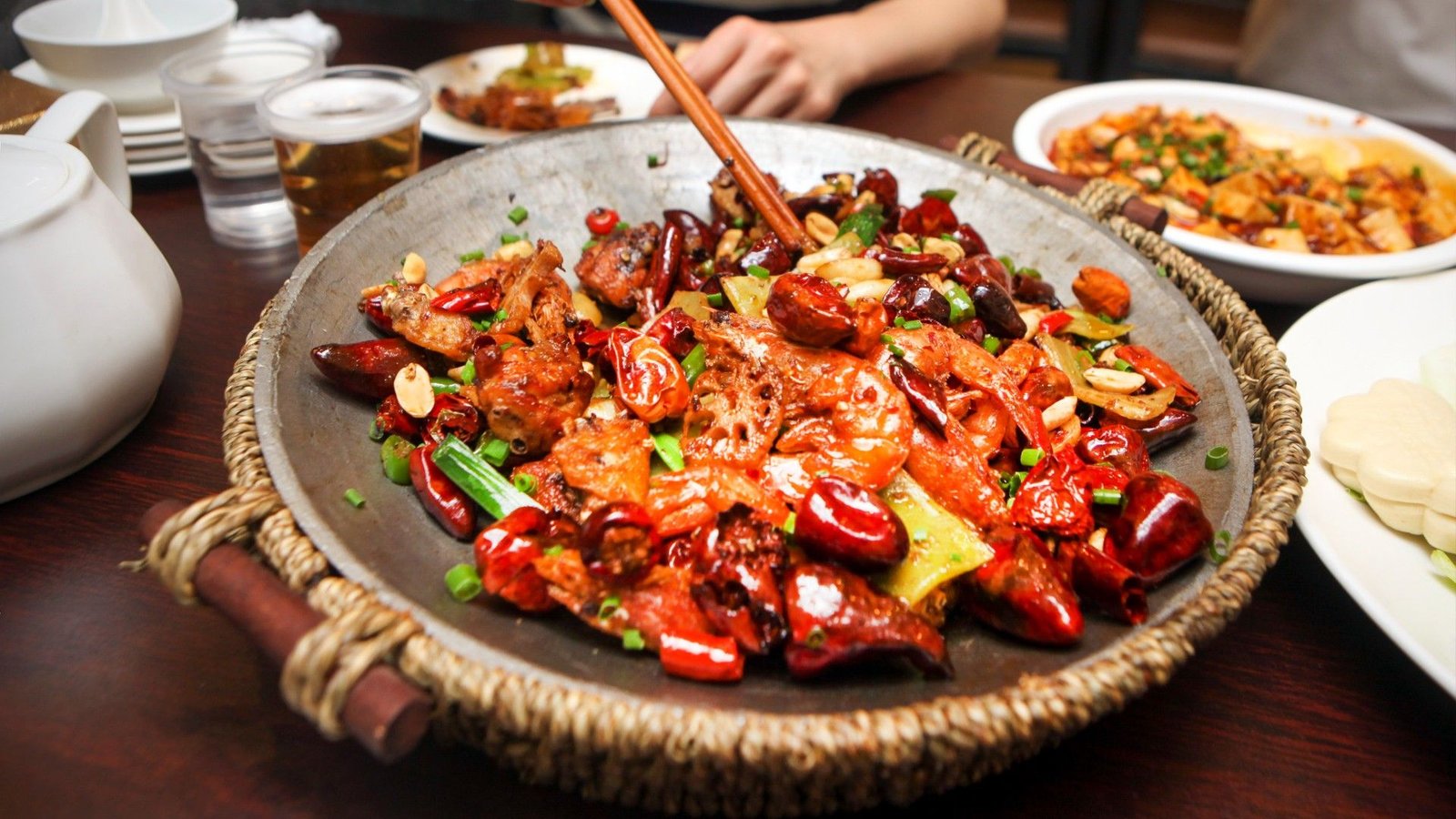
The hottest food in the world can include dishes made with extremely spicy chili peppers such as Carolina Reaper, Trinidad Moruga Scorpion, and Ghost Pepper. Popular examples include fiery curries, spicy chicken dishes, hot sauces, and chili-based noodles. The level of heat depends largely on the type and amount of chili used.
What Makes Food So Hot?
When people describe food as “hot,” they usually mean spicy rather than physically hot. The burning sensation comes primarily from capsaicin, a natural compound found in chili peppers.
Capsaicin activates receptors in the mouth that normally respond to heat and physical irritation. This creates the familiar burning sensation associated with spicy food. The intensity can vary dramatically depending on the pepper, preparation method, and amount used.
The heat of chili peppers is commonly discussed using the Scoville scale, which measures the concentration of capsaicinoids responsible for chili heat. Mild peppers may barely register, while some superhot varieties can create an intense and lasting burn.
For that reason, the hottest food is not necessarily a particular recipe. A dish can become extremely spicy simply by using a very hot pepper or a concentrated chili-based sauce.
Some of the Hottest Foods in the World
Across different cuisines, extremely spicy dishes have become popular with people who enjoy intense flavors and serious chili heat.
Fiery Indian Curries
Indian cuisine includes many dishes that can become exceptionally spicy through the use of fresh chilies, dried chilies, chili powders, and hot sauces.
Certain regional curries are particularly intense when prepared with superhot peppers. The combination of spices, chilies, and rich sauces can create a complex heat that develops gradually rather than appearing all at once.
A very spicy curry can be flavorful as well as hot, which is why chili enthusiasts often seek out these dishes for more than their heat alone.
Phaal Curry
Phaal is widely associated with extremely spicy curry. It is often prepared with several hot chilies and is known for delivering much more heat than a typical restaurant curry.
Recipes vary considerably, so the exact level of spiciness depends on the ingredients used by the cook. When superhot peppers are included, however, phaal can become an exceptionally challenging dish.
Spicy Sichuan Cuisine
Sichuan cuisine is famous for its use of chilies and Sichuan peppercorns. Dishes such as spicy hot pot, mapo tofu, and chili-heavy preparations can deliver substantial heat.
Sichuan pepper creates a distinctive tingling or numbing sensation that is different from the burning sensation caused by capsaicin. When the two sensations appear together, spicy food can feel particularly intense.
Extremely Spicy Chicken
Hot chicken dishes have become popular in many parts of the world. Some versions rely on chili powders, hot sauces, and increasingly spicy pepper blends to create different levels of heat.
At the highest levels, the goal is often to challenge experienced chili eaters rather than provide an everyday meal.
Super-Spicy Noodles
Spicy noodles are another common way to experience extreme heat. Chili oils, pepper flakes, concentrated sauces, and fresh chilies can all be combined to create powerful flavors.
Some instant noodle products and restaurant dishes are specifically marketed toward people who enjoy intense spice. Their heat level can vary considerably between brands and recipes.
The Chili Peppers Behind Extreme Heat
The pepper used in a dish is one of the biggest factors determining how hot it becomes.
Carolina Reaper
The Carolina Reaper became famous for its extreme heat and was once recognized by Guinness World Records as the world’s hottest chili pepper. It has a distinctive wrinkled appearance and a fruity flavor beneath its intense heat.
Even a small amount can dramatically increase the spiciness of a sauce or dish.
Trinidad Moruga Scorpion
The Trinidad Moruga Scorpion is another superhot chili associated with extremely high Scoville ratings. It has a reputation for producing a powerful burn that can continue for a considerable amount of time.
It is generally used sparingly because of its intense heat.
Ghost Pepper
The Ghost Pepper, also known as bhut jolokia, became internationally famous for its extreme spiciness. It has traditionally been used in parts of India and is now found in hot sauces, snacks, marinades, and spicy challenges around the world.
Its heat can be accompanied by a fruity, smoky flavor, making it useful in recipes when handled carefully.
Habanero
Habaneros are significantly hotter than common mild chili varieties and are widely used in sauces, salsas, marinades, and Caribbean-inspired dishes.
Although they are not generally considered the hottest peppers available today, their combination of strong heat and fruity flavor makes them a popular choice for spicy food.
Why Do People Enjoy Extremely Spicy Food?
The appeal of spicy food is not simply about tolerating pain. Chili peppers can add depth, aroma, sweetness, smokiness, and complexity to food.
Capsaicin also produces a strong physical response. Some people enjoy the excitement of that sensation, especially when the heat is balanced with flavorful ingredients.
For experienced chili lovers, trying increasingly spicy dishes can become a hobby. Hot sauces, specialty peppers, spicy restaurants, and chili challenges have created an entire culture around extreme heat.
However, enjoying spicy food does not mean that the hottest possible dish is automatically the most enjoyable. For many people, the best spicy food is one where the heat complements the flavor rather than overwhelming it.
How to Handle Very Spicy Food
If a dish is hotter than expected, reaching for water may not provide much relief. Capsaicin is not water-soluble, so water can sometimes spread the sensation around the mouth instead of removing it.
Dairy products can be more helpful because components in dairy can interact with capsaicin and help reduce the burning sensation. Eating other foods alongside a very spicy dish can also make the experience more manageable.
The best approach is to start with a small portion and increase the heat gradually. This is especially important when trying a pepper or sauce that you have never experienced before.
Tips for Trying the Hottest Food Safely
Extreme spice should be approached with caution. A few simple habits can make the experience more comfortable.
- Start small: Try a small amount before eating a full serving.
- Know the ingredients: Check which peppers or concentrated sauces are being used.
- Do not touch your eyes: Wash your hands thoroughly after handling hot peppers.
- Keep dairy nearby: Milk or another suitable dairy product may help reduce the burning sensation.
- Avoid unnecessary challenges: You do not need to eat an extreme amount of chili to prove that you can handle spice.
- Listen to your body: Stop eating if you feel significantly unwell.
People with certain medical conditions or sensitivities may need to be particularly cautious with extremely spicy foods.
FAQs About the Hottest Food
What is considered the hottest food in the world?
There is no single dish that is universally recognized as the hottest food. Heat depends on the peppers, quantities, recipe, and preparation. Dishes made with superhot peppers can reach extremely intense levels.
What is the hottest pepper used in food?
Several superhot peppers are used in foods and sauces, including Carolina Reaper, Trinidad Moruga Scorpion, and Ghost Pepper. Their exact heat can vary depending on growing conditions and individual peppers.
Is spicy food actually hot?
Spicy food is not necessarily physically hot. Capsaicin activates receptors that create a sensation similar to burning, which is why the mouth can feel extremely hot even when the food itself is served at a normal temperature.
Does water help with spicy food?
Water generally does not work particularly well against capsaicin because capsaicin does not dissolve readily in water. Dairy products can often provide more effective relief from the burning sensation.
Why do people like very spicy food?
People enjoy spicy food for different reasons. Some appreciate the flavor of chilies, while others enjoy the physical sensation and challenge associated with intense heat.
Can a normal meal become extremely spicy?
Yes. Adding a small amount of a superhot chili, concentrated chili paste, or very spicy sauce can dramatically increase the heat of an otherwise ordinary meal.
Is the hottest food always the most flavorful?
Not necessarily. Extreme heat can overpower other flavors. A well-balanced spicy dish combines chili heat with ingredients that provide complementary flavors and textures.
Conclusion
The world of the hottest food extends far beyond simply adding more chili to a meal. From fiery curries and Sichuan dishes to super-spicy noodles and hot sauces, different cuisines have developed their own ways of creating intense heat.
Superhot peppers such as Carolina Reaper, Trinidad Moruga Scorpion, and Ghost Pepper have pushed spicy food to extraordinary levels, but extreme heat is only one part of the experience. The most memorable spicy dishes balance heat with flavor, aroma, texture, and carefully chosen ingredients.
For anyone interested in trying exceptionally hot food, the best approach is to explore gradually, understand the ingredients, and focus on enjoying the flavors rather than simply chasing the highest possible level of heat.
Learn More About: Spicy Food
