

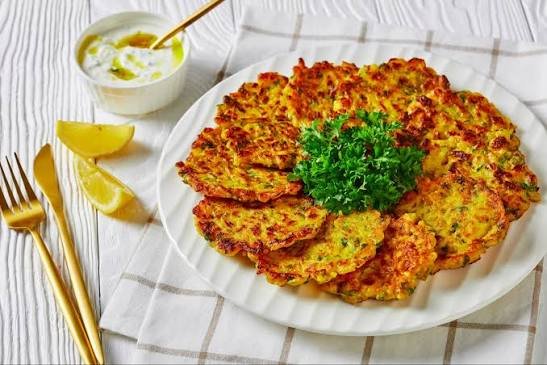
Food has a special place in holiday celebrations, bringing families and communities together around shared traditions and meaningful flavors. Hanukkah and Diwali foods offer a fascinating look at two distinct celebrations, each with its own history, customs, sweets, and savory dishes. From crispy latkes and sweet sufganiyot during Hanukkah to ladoos, samosas, jalebi, and other festive favorites during Diwali, these foods make celebrations even more memorable. Exploring both traditions reveals how recipes can connect people with culture, family, and the joy of gathering together.
Why Food Matters During Hanukkah and Diwali
Food is an important part of many cultural and religious celebrations, and both Hanukkah and Diwali have rich culinary traditions. Although the holidays come from different religious and cultural backgrounds, meals and sweets often become a way for families to gather, share traditions, welcome guests, and create memories.
Hanukkah, the Jewish Festival of Lights, is celebrated for eight nights. Food traditions commonly highlight the role of oil in the Hanukkah story, which is why many traditional dishes are fried in oil.
Diwali, the Hindu festival often known as the Festival of Lights, is celebrated with prayers, family gatherings, decorations, gifts, and festive meals. Diwali food varies significantly by region and community, but sweets and savory snacks are especially important.
Understanding the foods associated with each celebration makes it easier to appreciate the traditions behind them rather than viewing them simply as holiday recipes.
Traditional Hanukkah Foods
Hanukkah foods are strongly connected with the holiday’s history and the symbolic importance of oil. Some of the best-known dishes are comforting, crispy, and perfect for sharing.
Latkes
Latkes are one of the most recognizable Hanukkah dishes. These potato pancakes are typically made with grated potatoes and onions, combined with ingredients that help bind the mixture before being fried until crisp.
They are traditionally served with sour cream or applesauce. Families may have their own preferred recipes, including variations that use different vegetables or seasonings.
Sufganiyot
Sufganiyot are round, filled doughnuts traditionally associated with Hanukkah. They are fried and commonly filled with jam before being dusted with powdered sugar.
Their soft texture and sweet filling make them a popular dessert during the holiday, particularly at gatherings where several generations come together.
Kugel
Kugel is a baked dish with many variations. It can be sweet or savory and may be made with ingredients such as noodles, potatoes, or other combinations depending on the recipe and family tradition.
While not every Hanukkah table will include the same dishes, kugel can be part of a larger festive meal alongside other traditional foods.
Brisket and Other Festive Meals
Hanukkah meals can also include hearty dishes such as brisket, roasted meats, vegetables, and other family favorites. The exact menu depends on family customs, geographic traditions, and personal preferences.
The holiday table is often as much about gathering together as it is about any single recipe.
Popular Diwali Foods
Diwali cuisine is particularly diverse because food traditions differ across India and among different communities. Festive tables may include homemade sweets, fried snacks, savory dishes, rice preparations, breads, and regional specialties.
Ladoo
Ladoo is a broad category of round sweets made with different ingredients. Depending on the variety, ladoos may contain flour, chickpea flour, semolina, coconut, nuts, sugar, or other ingredients.
They are frequently prepared for celebrations and are also commonly shared with family members, friends, and guests.
Jalebi
Jalebi is a popular Indian sweet made by creating spiral shapes from batter and frying them before soaking them in a sweet syrup. Its bright appearance and crisp, syrupy texture make it a recognizable festive treat.
Gulab Jamun
Gulab jamun consists of soft fried dough balls that are soaked in a sweet syrup. It is commonly served during celebrations and can be enjoyed warm or at room temperature.
Samosas
Samosas are savory pastries generally filled with ingredients such as potatoes, peas, spices, or meat, depending on the variety. They are often served as snacks or appetizers and are especially suitable for sharing at gatherings.
Pakoras
Pakoras are another popular savory snack. Vegetables or other ingredients are coated in a seasoned batter and fried until crisp. Different regions and families prepare pakoras in their own ways.
Similarities Between Hanukkah and Diwali Foods
Hanukkah and Diwali have distinct histories and meanings, so their food traditions should not be treated as interchangeable. However, there are some interesting culinary similarities.
Fried foods: Oil is particularly significant in Hanukkah food traditions. Fried foods are also common in many Diwali celebrations, although their religious and cultural significance is not identical.
Sweets: Both celebrations commonly feature sweet foods. Hanukkah tables may include sufganiyot and other desserts, while Diwali is especially well known for a wide variety of mithai, or Indian sweets.
Sharing: Food is frequently prepared for family gatherings and visitors during both holidays.
Family recipes: Traditional dishes can vary considerably between households. Recipes are often adapted according to regional customs, family preferences, and available ingredients.
These similarities can make a shared food gathering interesting while still allowing each tradition to retain its own identity.
Sweet Treats for Both Celebrations
Desserts can become one of the most memorable parts of a holiday meal. For Hanukkah, sufganiyot, rugelach, and other Jewish desserts can provide familiar flavors. Diwali offers an extensive selection of sweets, including ladoo, jalebi, gulab jamun, barfi, and peda.
A mixed dessert table can showcase the differences between the two culinary traditions. Instead of combining recipes into one dish, hosts can serve recognizable foods from each tradition and explain their cultural background.
This approach allows guests to experience different flavors while respecting the individual traditions behind them.
How Families Celebrate With Food
Holiday food is rarely only about eating. Preparation itself can become part of the celebration.
Families may prepare recipes together, pass cooking techniques between generations, package sweets as gifts, or invite relatives and friends to share a meal. Children can also participate by helping decorate desserts, arrange serving plates, or prepare simple ingredients.
For many families, these activities create traditions that continue from one year to the next. A recipe can therefore carry memories and family history as well as flavor.
The food served during Hanukkah or Diwali can also reflect where a family lives. Jewish families in different parts of the world may have different Hanukkah menus, while Diwali dishes can vary greatly between regions of India and among communities around the world.
Hanukkah and Diwali Food Ideas for a Shared Gathering
If people celebrating Hanukkah and Diwali are hosting a gathering together, the menu can include separate dishes that represent both traditions.
A simple spread might include:
- Potato latkes with applesauce and sour cream
- Sufganiyot for a Hanukkah dessert
- Samosas with chutney
- Vegetable pakoras
- Ladoo or barfi
- Jalebi or gulab jamun
- Fresh fruit and simple drinks
When preparing food for a mixed gathering, it is helpful to clearly identify ingredients and consider dietary requirements. Some guests may avoid particular foods because of religious, cultural, vegetarian, or allergy-related preferences.
The goal is not to make the traditions identical. Instead, a shared table can provide an opportunity to learn about the different histories and culinary customs represented by each holiday.
Frequently Asked Questions
What foods are traditionally eaten during Hanukkah?
Common Hanukkah foods include latkes, sufganiyot, and other dishes prepared with oil. Families may also serve brisket, kugel, vegetables, and other festive foods.
What foods are popular during Diwali?
Diwali foods vary by region and community. Popular choices include ladoo, jalebi, gulab jamun, barfi, samosas, and pakoras, along with many regional dishes.
Why are fried foods associated with Hanukkah?
Fried foods are associated with Hanukkah because oil has an important place in the traditional story of the holiday. Foods such as latkes and sufganiyot are commonly fried in oil.
Are sweets important during Diwali?
Yes. Sweets, often called mithai, are a major part of many Diwali celebrations. They may be prepared at home, purchased from sweet shops, or exchanged as gifts.
Are Hanukkah and Diwali the same holiday?
No. Hanukkah and Diwali are distinct religious and cultural celebrations with different histories, traditions, and meanings. They are sometimes both called festivals of lights, but they originate from different traditions.
Can Hanukkah and Diwali foods be served together?
Yes. A gathering can include traditional foods from both celebrations. Keeping dishes identifiable and explaining their origins can help guests appreciate the differences between the traditions.
Do all Jewish families eat the same Hanukkah foods?
No. Hanukkah menus can differ according to family customs, geographic background, cultural traditions, and personal preferences.
Do all Indian families eat the same Diwali foods?
No. Diwali cuisine varies widely across regions, communities, and households. Different areas have their own traditional sweets, snacks, and festive meals.
Conclusion
Hanukkah and Diwali foods offer a delicious way to explore two distinct cultural and religious traditions. Hanukkah tables often highlight foods prepared with oil, including latkes and sufganiyot, while Diwali celebrations feature an impressive variety of sweets and savory snacks.
Beyond individual recipes, both celebrations show how food can bring people together. Whether families are preparing longtime favorites or sharing traditional dishes with new guests, festive food can preserve memories, celebrate heritage, and make gatherings feel special.
Learn About: Apple bees Menu
