

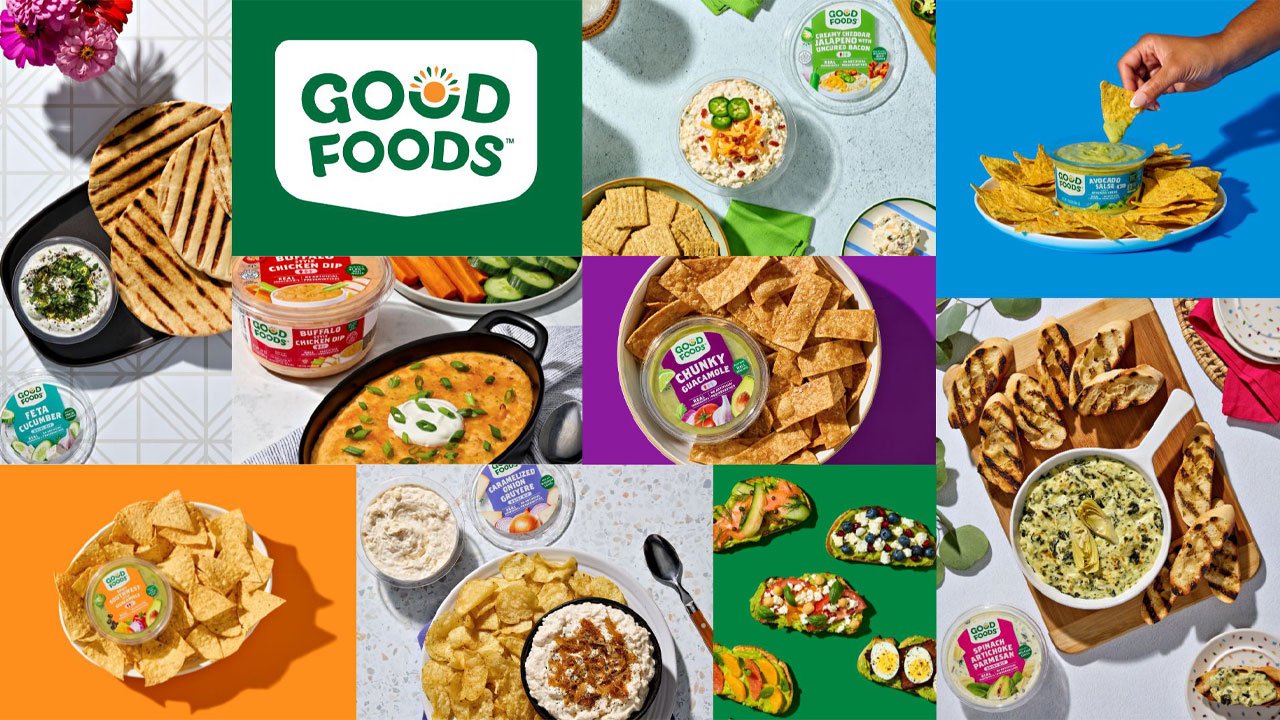
Finding a good food brand is about more than choosing attractive packaging or a familiar name. A trustworthy food brand should offer products that meet your needs for taste, quality, ingredients, safety, value, and consistency. Whether you are shopping for everyday groceries, snacks, frozen foods, organic products, or specialty items, knowing what to look for can make your choices easier.
The best brand for one person may not be the best for another. Dietary preferences, budget, ingredient requirements, availability, and taste all matter. Instead of relying only on popularity, it helps to understand the qualities that make a food brand worth buying.
What Makes a Good Food Brand?
A good food brand typically combines quality ingredients, reliable production, clear labeling, consistent products, and reasonable value. It should make it easy for customers to understand what they are buying.
Some important qualities include:
- Transparent ingredient information
- Appropriate food safety and quality controls
- Consistent taste and product quality
- Clear nutritional labeling
- Suitable packaging and storage information
- Fair pricing for the product’s quality
- A strong focus on customer needs
- Responsible sourcing and production practices where applicable
A brand does not necessarily need to be expensive to be good. Affordable food brands can provide excellent products, while expensive products are not automatically higher quality.
How to Identify a Quality Food Brand
1. Read the Ingredient List
The ingredient list is one of the most useful places to start. It tells you what is actually in the product and can help you compare similar products from different brands.
Look for ingredients that fit your dietary preferences and avoid products containing ingredients you need to limit or cannot consume. If you have allergies, check allergen information carefully rather than relying only on the front of the package.
2. Check the Nutrition Information
Nutrition information can help you compare products objectively. Depending on what you are looking for, you may want to check amounts of:
- Protein
- Fiber
- Added sugars
- Sodium
- Saturated fat
- Total calories
- Vitamins and minerals
There is no single nutrition profile that makes a product suitable for everyone. Your needs depend on your overall diet and personal preferences.
3. Look for Clear Labeling
A trustworthy food brand should provide understandable information about its product. Packaging should normally make important details easy to find, including ingredients, nutritional information, storage instructions, and relevant dates.
Clear labeling allows shoppers to make informed decisions instead of having to guess what a product contains.
Should You Choose a Famous Food Brand?
Brand recognition can be useful, but popularity alone should not determine your purchase.
A well-known brand may have a long history and consistent distribution, but a smaller brand can also produce excellent food. When comparing brands, look beyond the logo and consider the actual product.
For example, two brands may sell similar breakfast cereals. One may have a lower price, while the other may have a different ingredient profile or nutritional composition. The better option depends on what matters most to you.
Comparing Food Brands Before Buying
When several products appear similar, a simple comparison can help.
| Factor | What to Check |
| Ingredients | Quality and suitability for your diet |
| Nutrition | Sugar, sodium, protein, fiber, fats, and calories |
| Price | Cost compared with product size and quality |
| Packaging | Protection, storage, and useful information |
| Taste | Personal preference and consistency |
| Availability | Whether you can purchase it conveniently |
| Reputation | Customer experience and product consistency |
Price per package can sometimes be misleading. Comparing the price per weight or serving can give you a better idea of the actual value.
What About Organic, Natural, or Specialty Food Brands?
Terms such as organic, natural, plant-based, and gluten-free can help identify products that meet particular preferences, but shoppers should still read the complete label.
For example, a product marketed around a particular dietary characteristic may still contain significant amounts of sugar, sodium, or calories. The marketing message is only one part of the information available to you.
If a specific certification matters to you, check whether the product carries an appropriate certification or provides sufficient information to support the claim.
How Food Brands Build Customer Trust
Trust develops when a food company consistently delivers what it promises. This includes maintaining product quality, communicating clearly, responding to customer concerns, and providing accurate product information.
Consistency is particularly important. If customers repeatedly receive products with predictable quality and taste, they are more likely to purchase from the brand again.
Food brands can also build trust through transparent sourcing information, responsible manufacturing practices, and clear communication about allergens and dietary requirements.
Choosing a Good Food Brand for Different Needs
There is no universal best food brand because shoppers have different priorities.
For Everyday Groceries
Focus on reliable quality, reasonable prices, useful ingredients, and availability. Products that perform consistently are often more practical than simply choosing the most recognizable name.
For Health-Conscious Shopping
Pay closer attention to nutrition information, serving sizes, added sugars, sodium, fiber, protein, and ingredient lists. Avoid assuming that a product is automatically healthier because of its packaging or marketing.
For Families
Value, taste, convenient packaging, dietary suitability, and consistency may be especially important. Products that work for different members of the household can make grocery shopping simpler.
For Special Diets
Check ingredients and allergen statements carefully. If you need to avoid a specific ingredient because of an allergy or medical requirement, do not rely solely on general marketing claims.
Are Expensive Food Brands Better?
Not necessarily. Price can reflect factors such as ingredients, packaging, production methods, distribution, branding, or positioning. It does not automatically guarantee better taste or nutrition.
A useful approach is to compare similar products based on price, ingredients, nutritional information, quantity, and your own preferences.
Sometimes a moderately priced product can provide better value than a premium alternative.
How to Find New Food Brands
If you want to explore brands beyond the ones you already know, start by identifying the type of food you want. You can then compare several products within that category.
Useful sources of information include:
- Product labels
- Official brand websites
- Grocery stores
- Food retailers
- Independent product reviews
- Customer feedback
- Professional food organizations and certification bodies
When reading online reviews, look for recurring comments rather than relying on a single opinion. Individual taste varies considerably, so a product that one customer dislikes may still be suitable for another.
Questions to Ask Before Buying
Before choosing a food product, consider:
- Do the ingredients fit my preferences?
- Does the nutritional profile suit my needs?
- Is the serving size realistic?
- Is the price reasonable for the quantity?
- Does the packaging provide enough information?
- Is the product appropriate for anyone in my household with dietary restrictions?
- Can I expect consistent quality from the brand?
These questions can help turn a quick grocery decision into a more informed choice without making shopping unnecessarily complicated.
Frequently Asked Questions
What is a good food brand?
A good food brand provides products with appropriate ingredients, clear labeling, consistent quality, reliable food safety practices, and reasonable value. The best choice ultimately depends on the consumer’s individual needs and preferences.
How do I know if a food brand is trustworthy?
Look for transparent ingredient and nutrition information, clear allergen labeling, consistent product quality, and responsible communication. Official certifications can also be relevant for certain types of products.
Are popular food brands always better?
No. Popularity can indicate familiarity and widespread availability, but it does not guarantee that a product will have the ingredients, nutrition profile, taste, or price you prefer.
Is an expensive food brand better than a cheaper one?
Not automatically. Compare ingredients, nutrition, quantity, taste, and price before deciding. A lower-priced product can sometimes provide excellent value.
What should I check first on a food package?
The ingredient list and nutrition information are good places to start. Also check allergen information, storage instructions, product quantity, and relevant dates.
How can I compare two similar food brands?
Compare their ingredients, nutrition information, serving sizes, package quantities, prices, and any certifications or dietary claims that matter to you.
Should I trust food brand reviews?
Reviews can provide useful information about taste, packaging, and customer experiences, but they should not be treated as definitive. Look for patterns across multiple reviews and consider whether the reviewers’ preferences match your own.
Conclusion
Choosing a good food brand does not require selecting the most famous or expensive option. The strongest choice is usually the one that matches your needs for ingredients, nutrition, taste, quality, availability, and value.
Instead of relying only on branding, take a moment to read the label and compare similar products. This simple habit can help you make more informed food choices and discover brands that genuinely fit your lifestyle.
Learn About: Best King Kong Dulce Near Me
