

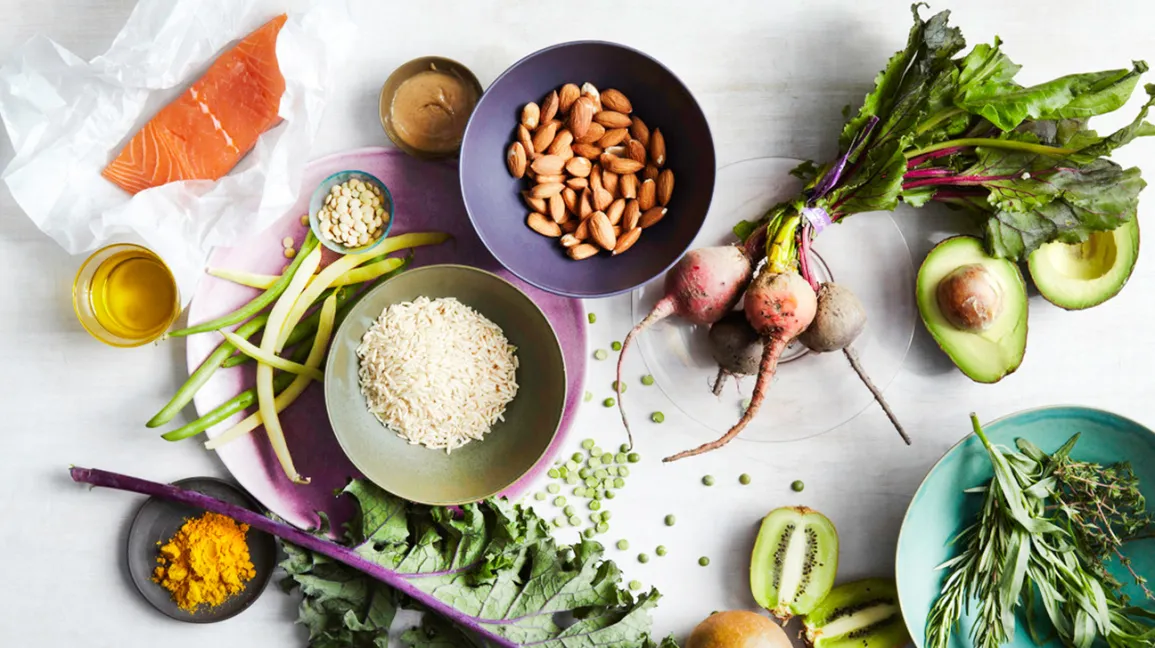
Food is more than something we eat to satisfy hunger. It connects people with culture, health, family traditions, agriculture, business, and everyday lifestyle choices. That makes food topics useful for blog posts, school assignments, research projects, social media content, discussions, and informative articles.
Choosing the right food topic can make your content more interesting and useful. A strong topic should match the audience’s interests while providing enough information to explain the subject clearly.
Whether you want ideas about healthy eating, international cuisine, cooking, food safety, or modern food trends, there are hundreds of possibilities to explore.
What Are Food Topics?
Food topics are subjects related to food, eating, cooking, nutrition, culture, agriculture, restaurants, and food-related lifestyles. They can be broad or highly specific depending on the purpose of the content.
For example, “healthy eating” is a broad food topic, while “easy high-protein breakfast ideas for busy mornings” is a more specific topic.
Food topics can be used for:
- Blog articles
- School and college assignments
- Research projects
- Social media posts
- Podcasts and discussions
- Recipe websites
- Restaurant content
- Food magazines
- Newsletters
- Educational presentations
Popular Food Topics
If you need a general food topic, consider subjects that naturally encourage questions, opinions, or practical solutions.
Here are some popular ideas:
| Category | Food Topic Ideas |
|---|---|
| Nutrition | Balanced diets, vitamins, minerals, protein |
| Cooking | Cooking techniques, kitchen tips, beginner recipes |
| Culture | Traditional foods, regional cuisines, food traditions |
| Health | Healthy meals, portion sizes, mindful eating |
| Sustainability | Food waste, seasonal foods, sustainable agriculture |
| Safety | Food storage, hygiene, contamination prevention |
| Lifestyle | Meal preparation, eating habits, convenient meals |
| Trends | Plant-based foods, food technology, modern diets |
A specific topic is often easier to develop because it gives the writer a clear audience and purpose.
Healthy Food Topics
Healthy eating is one of the broadest areas within food-related content. Instead of focusing only on individual foods, writers can explore how food choices fit into an overall eating pattern.
1. Balanced Meals
A balanced meal generally combines different types of foods to provide a variety of nutrients. A useful article can explain how vegetables, fruits, grains, protein sources, and other foods can be included in everyday meals.
2. Healthy Breakfast Ideas
Breakfast content can focus on practical meals for different lifestyles. Examples include:
- Oatmeal with fruit
- Eggs with whole-grain toast
- Yogurt with nuts and fruit
- Vegetable sandwiches
- Smoothies with nutrient-rich ingredients
3. Healthy Snacking
Healthy snack topics can explore convenient options and explain how people can make more nutritious choices between meals.
4. Hydration and Food
Food and beverages both contribute to daily fluid intake. An article can discuss water-rich foods and the importance of maintaining adequate hydration.
5. Understanding Food Labels
Food labels can help consumers compare products and understand information such as serving size, calories, nutrients, and ingredients.
Cooking and Recipe Topics
Cooking provides almost unlimited opportunities for content creation. Practical topics are particularly useful because readers can immediately apply what they learn.
Some ideas include:
- Easy meals for beginners
- Common cooking mistakes
- How to prepare vegetables
- Basic knife skills
- Baking tips
- One-pot meals
- Budget-friendly recipes
- Meal-prep ideas
- Healthy cooking methods
- How to store leftovers safely
Cooking Techniques
You can also create educational content around specific techniques, such as baking, roasting, steaming, grilling, sautéing, and slow cooking.
A useful cooking article should explain not only what to do but also why a particular technique works and what mistakes beginners should avoid.
Food Culture and International Cuisine
Food plays an important role in cultural identity. Traditional dishes often reflect local ingredients, history, geography, religious practices, and family traditions.
Interesting food culture topics include:
- Traditional foods around the world
- Popular dishes by country
- Street food cultures
- Family food traditions
- Regional cuisines
- Traditional cooking methods
- The history of popular dishes
- Food festivals
- Spices used in different cuisines
- How migration influences food
For example, an article about South Asian cuisine could explore the role of spices, rice dishes, breads, vegetables, and regional cooking traditions without treating the entire region as one uniform food culture.
Food Sustainability Topics
The way food is produced, transported, prepared, and discarded can affect resources and the environment.
Potential sustainability topics include:
Reducing Food Waste
Food waste can be discussed from household, restaurant, retail, and agricultural perspectives. Practical content might cover meal planning, proper storage, using leftovers, and understanding food-date labels.
Seasonal Foods
Seasonal food topics can explain why some ingredients are more readily available at particular times of the year and how seasonal choices may influence cooking.
Sustainable Food Choices
Writers can explore topics such as local food systems, responsible sourcing, food packaging, plant-based foods, and sustainable agriculture.
These subjects work particularly well for educational articles because they connect personal food choices with larger food-system questions.
Food Safety Topics
Food safety is another important area for educational content. Possible topics include:
- Safe food storage
- Kitchen hygiene
- Preventing cross-contamination
- Safe preparation of raw meat
- Cleaning kitchen surfaces
- Proper refrigerator organization
- Leftover food safety
- Foodborne illness prevention
- Safe cooking temperatures
- Grocery shopping and food storage practices
When writing about food safety, use reliable public-health or government sources because incorrect advice can create genuine health risks.
Food Topics for Students
Students can choose food-related subjects for essays, presentations, debates, and research projects.
Here are some ideas:
- The importance of a balanced diet
- Food and cultural identity
- The effects of food waste
- Traditional foods in different countries
- The role of agriculture in food production
- Healthy school meal ideas
- Food safety in everyday life
- The history of a popular dish
- The influence of social media on food trends
- Sustainable food production
- The importance of breakfast
- Plant-based eating
- Food packaging and the environment
- How restaurants influence food culture
- The development of modern food technology
For academic work, students should support factual claims with credible sources rather than relying only on blogs or social media posts.
How to Choose a Good Food Topic
The best topic depends on your audience, purpose, and available information.
1. Identify Your Audience
Think about who will read or use the content. A beginner cook needs different information from a nutrition student or professional chef.
2. Choose a Clear Angle
Instead of choosing a very broad subject such as “food,” narrow it down to a specific question or problem.
For example:
Broad: Healthy food
Specific: Easy healthy lunch ideas for office workers
3. Consider Search Intent
Ask what the reader wants to accomplish. Are they looking for information, ideas, instructions, comparisons, or solutions?
4. Use Reliable Information
Food-related claims should be supported by trustworthy sources, especially when discussing nutrition, allergies, food safety, or health.
5. Make the Topic Useful
A strong article should leave the reader with something valuable, such as practical tips, clear explanations, examples, or actionable ideas.
Key Takeaways
- Food topics can cover cooking, nutrition, culture, safety, sustainability, and lifestyle.
- Specific topics are usually easier to develop than extremely broad subjects.
- Healthy eating, recipes, food culture, and food safety offer many content opportunities.
- Food-related articles should prioritize accurate and trustworthy information.
- Student topics can explore food from cultural, environmental, scientific, and social perspectives.
- Good food content should match the audience’s needs and search intent.
- Practical examples, tables, and clear headings can make food content easier to understand.
FAQs
What are some good food topics?
Popular food topics include healthy eating, cooking techniques, traditional cuisines, food safety, meal planning, food waste, sustainable agriculture, international dishes, and modern food trends.
What is an interesting topic about food?
Food culture is an interesting topic because it connects food with history, geography, traditions, family, and cultural identity. Specific subjects such as traditional foods of a particular region can provide an even clearer focus.
What are some food topics for students?
Students can write about balanced diets, food waste, traditional cuisines, food safety, sustainable agriculture, school meals, food technology, and the cultural importance of food.
How do I choose a food topic for an article?
Start by identifying your audience and purpose. Then choose a specific subject that answers a question, solves a problem, or provides useful information. Check that reliable sources are available before beginning the article.
What are some healthy food topics?
Healthy food topics can include balanced meals, nutritious breakfasts, healthy snacks, food labels, hydration, meal planning, cooking methods, and general healthy eating patterns.
Why is food culture important?
Food culture can reflect a community’s history, traditions, geography, available ingredients, and social practices. Traditional dishes can also help preserve cultural knowledge across generations.
What are some food safety topics?
Food safety topics include proper storage, kitchen hygiene, preventing cross-contamination, safe cooking practices, handling leftovers, and preventing foodborne illness.
Conclusion
Food provides a wide and flexible range of topics for writers, students, researchers, educators, and content creators. From healthy meals and cooking techniques to international cuisine, food safety, and sustainability, there is no shortage of useful subjects to explore.
The key is to move beyond a broad idea and create a focused topic that serves a clear audience. By combining accurate information, practical examples, trustworthy sources, and a people-first approach, food content can become both informative and genuinely useful.
Learn About: Food Styling
