

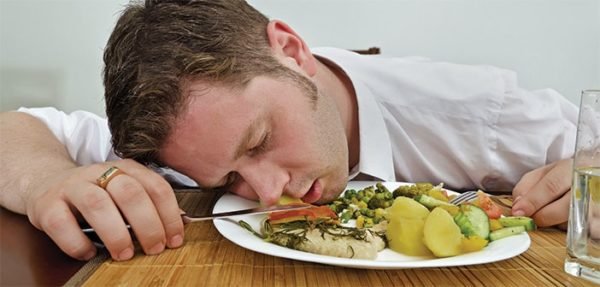
Have you ever finished a large lunch and suddenly felt like you could fall asleep at your desk? That familiar experience is often called a food coma.
Despite the dramatic name, a food coma usually isn’t an actual loss of consciousness. It describes a short period of increased sleepiness and reduced mental alertness after eating. Healthcare professionals commonly refer to this experience as postprandial somnolence.
Feeling sleepy after a meal is generally normal, particularly after a large or energy-dense meal. However, frequent or severe tiredness after eating can sometimes point to another issue, especially when it occurs alongside dizziness, shakiness, sweating, fainting, or other unusual symptoms.
Understanding why food comas happen can help you make practical changes to your meals, sleep routine, and daily habits.
What Is a Food Coma?
A food coma is a temporary period of sleepiness, sluggishness, and reduced alertness after eating. Its medical name, postprandial somnolence, literally refers to sleepiness occurring after a meal.
Sleepiness can increase after eating and often peaks around one to two hours afterward. Larger, higher-energy meals tend to produce a stronger effect. The tired feeling generally fades within a few hours.
A food coma may feel like:
- Heavy eyelids
- Low energy
- Difficulty concentrating
- Reduced motivation
- Slower thinking
- A strong desire to sit or lie down
- Trouble staying alert
The experience is usually temporary and isn’t considered dangerous by itself.
Food Coma vs. Actually Passing Out
The term “coma” can be misleading. A typical food coma doesn’t mean that you have actually entered a medical coma.
You remain conscious and can normally respond to people around you. The main issue is increased sleepiness and reduced alertness.
If someone actually loses consciousness after eating, that should not simply be assumed to be a food coma and may require medical evaluation.
Why Does a Food Coma Happen?
There isn’t one single explanation for post-meal sleepiness. Researchers and healthcare professionals recognize several contributing factors.
1. Meal Size Matters
One of the simplest factors is how much you eat.
A very large meal provides your body with more nutrients and energy to process. Research and clinical guidance indicate that post-meal sleepiness tends to be stronger after larger, higher-energy meals.
For example, eating a very large lunch may leave you more tired than eating a moderate meal containing similar types of food.
2. Your Body Responds to Digestion
Eating triggers signals between the digestive system and the brain. Changes in glucose, amino acids, gut signals, and brain arousal pathways can influence how alert you feel after eating.
This is one reason the old idea that a food coma simply happens because “all your blood goes to your stomach” isn’t an accurate explanation.
3. Your Circadian Rhythm Plays a Role
Your body has an internal 24-hour clock known as the circadian rhythm.
Many people naturally experience a dip in alertness during the early afternoon. If you eat lunch around the same time, the meal-related sleepiness and your natural afternoon dip can overlap.
This can make an ordinary lunch feel like it has suddenly drained your energy.
4. Poor Sleep Can Make It Worse
A meal may not be the only reason you’re tired.
If you haven’t slept enough or your sleep quality has been poor, normal post-meal sleepiness can feel much stronger. Sleep and circadian rhythms have a major influence on daytime alertness.
Someone who sleeps poorly and then eats a heavy lunch may therefore experience a much stronger afternoon crash.
Common Food Coma Symptoms
Food coma symptoms can vary from person to person, but common experiences include:
| Symptom | What it may feel like |
| Sleepiness | Wanting to close your eyes or nap |
| Sluggishness | Feeling physically slow or heavy |
| Poor concentration | Difficulty focusing on work |
| Mental fatigue | Feeling less mentally sharp |
| Low energy | Reduced motivation to move |
| Yawning | Frequent desire to sleep |
| Reduced alertness | Slower reactions and attention |
Symptoms may begin anywhere from about 30 minutes to several hours after eating.
How Long Does a Food Coma Last?
A typical food coma is temporary.
Sleepiness may begin roughly 30 minutes to two hours after eating, while some people experience symptoms for several hours. Cleveland Clinic notes that post-meal sleepiness can last up to three or four hours in some cases.
The duration can depend on factors such as:
- Meal size
- Food composition
- Sleep quality
- Time of day
- Individual metabolism
- Alcohol consumption
- Existing health conditions
- Certain medications
Persistent or unusually severe daytime sleepiness deserves more attention than an occasional afternoon slump.
Foods That May Make You Sleepier
No single food automatically causes a food coma. However, large, heavy meals are more likely to be followed by noticeable sleepiness.
Meals containing large amounts of refined carbohydrates, saturated fat, or highly processed foods may also contribute to poorer energy patterns for some people. Cleveland Clinic notes that eating patterns emphasizing fiber, fruits, vegetables, whole grains, and unsaturated fats are associated with better sleep and less excessive daytime sleepiness.
Instead of focusing on completely eliminating one food, consider the overall meal.
For example, compare:
Very large meal:
- Large serving of refined carbohydrates
- Fried foods
- Sugary dessert
- Sweetened drink
More balanced meal:
- Vegetables
- Lean protein
- Whole grains or another high-fiber carbohydrate
- Healthy fats
- Water
Portion size and overall nutritional balance can make a meaningful difference.
Food Coma vs. Low Blood Sugar
A food coma and hypoglycemia are not the same thing.
Reactive hypoglycemia, also called postprandial hypoglycemia, occurs when blood glucose falls after eating, usually within several hours. It can cause symptoms such as shakiness, sweating, dizziness, hunger, weakness, headache, a fast heartbeat, irritability, and confusion.
Simple sleepiness after a large meal doesn’t automatically mean your blood sugar is dangerously low.
However, if post-meal tiredness repeatedly occurs with symptoms such as:
- Shaking
- Sweating
- Dizziness
- Confusion
- Racing heartbeat
- Significant weakness
it’s worth discussing the pattern with a healthcare professional.
How to Prevent a Food Coma
You don’t necessarily need to avoid eating to prevent post-meal sleepiness. Instead, try changing how and when you eat.
1. Choose Moderate Portions
Large meals are more strongly associated with post-meal sleepiness. Try eating a moderate portion rather than pushing yourself to the point of extreme fullness.
2. Build Balanced Meals
Include a combination of:
- Protein
- Fiber-rich foods
- Vegetables or fruit
- Whole grains or other minimally processed carbohydrates
- Appropriate sources of healthy fats
This can help create a more balanced eating pattern.
3. Take a Short Walk
A gentle 10- to 30-minute walk after eating may help you feel more alert and is one practical strategy recommended for managing post-meal sleepiness.
You don’t need an intense workout. Even light movement can be easier to maintain after lunch.
4. Pay Attention to Alcohol
Alcohol can contribute to tiredness and may make an after-meal slump more noticeable. Limiting alcohol, particularly during the workday, can help maintain alertness.
5. Prioritize Sleep
If you regularly sleep too little, changing your meal alone may not solve daytime fatigue.
A consistent sleep schedule and adequate nighttime sleep can help support normal daytime alertness.
What to Do When a Food Coma Hits
If you’re already feeling sleepy after eating, try these simple steps:
- Get up from your desk.
- Take a short walk.
- Drink some water.
- Move into a bright environment.
- Avoid starting tasks that require intense concentration if you’re extremely drowsy.
- Take a short nap if your schedule and environment allow it.
Most importantly, don’t drive or operate machinery when you’re too sleepy to remain safely alert.
When Should You See a Doctor?
Occasional sleepiness after a big meal is usually not a reason for concern.
You should consider speaking with a healthcare professional if your symptoms are frequent, severe, or interfering with daily life.
It’s particularly important to seek medical advice if sleepiness occurs with:
- Fainting or near-fainting
- Significant dizziness
- Shaking or sweating
- Confusion
- Breathing pauses or loud snoring during sleep
- Symptoms of diabetes, such as excessive thirst or frequent urination
- Persistent excessive daytime sleepiness
Conditions such as sleep disorders, diabetes, metabolic problems, and medication effects can sometimes contribute to excessive tiredness.
Key Takeaways
- A food coma is commonly called postprandial somnolence.
- It means feeling sleepy or sluggish after eating.
- Large meals can increase post-meal sleepiness.
- Your natural afternoon circadian dip can make the effect more noticeable.
- Poor sleep can make post-meal fatigue worse.
- A food coma is different from hypoglycemia.
- Balanced meals and moderate portions may help.
- A short walk after eating can be useful.
- Don’t drive when you’re too sleepy to remain alert.
- Frequent or severe symptoms should be discussed with a healthcare professional.
Frequently Asked Questions
What is a food coma?
A food coma is a temporary period of sleepiness and sluggishness after eating. The medical term is postprandial somnolence. It commonly occurs after larger meals and usually resolves within a few hours.
Why do I get a food coma after lunch?
Lunch may coincide with the natural early-afternoon dip in your circadian rhythm. A large meal can add to that normal decrease in alertness, making you feel particularly sleepy.
Is a food coma normal?
Occasional sleepiness after eating is common. A typical food coma is temporary and generally isn’t harmful. However, frequent or severe daytime sleepiness may deserve medical evaluation.
Does a food coma mean I have diabetes?
A food coma does not necessarily mean you have diabetes. If it happens frequently with excessive thirst, frequent urination, or blurred vision, consult a healthcare professional.
How can I stop a food coma?
Try eating moderate, balanced meals, getting adequate sleep, limiting alcohol, and taking a short walk after eating. These strategies may reduce post-meal sleepiness for some people.
Can low blood sugar cause tiredness after eating?
Yes, reactive hypoglycemia can cause tiredness or weakness after eating, but it typically occurs alongside other symptoms such as shakiness, sweating, dizziness, hunger, headache, or confusion.
How long does a food coma usually last?
Post-meal sleepiness may begin within 30 minutes to two hours and can sometimes continue for several hours. The exact duration varies between individuals.
Conclusion
A food coma is a common way to describe the sleepy, sluggish feeling that can follow a meal. Scientifically, it is known as postprandial somnolence and can be influenced by meal size, digestion-related signals, changes in blood metabolites, circadian rhythms, and sleep quality.
For most people, occasional post-meal sleepiness is temporary. Eating reasonable portions, choosing balanced foods, staying active after meals, and maintaining good sleep habits can help reduce the afternoon crash.
If your tiredness is unusually intense, happens frequently, or comes with symptoms such as dizziness, sweating, shaking, confusion, or fainting, don’t automatically blame it on a food coma. A healthcare professional can help determine whether another condition is contributing to your symptoms.
Learn More About: Nika Food
