

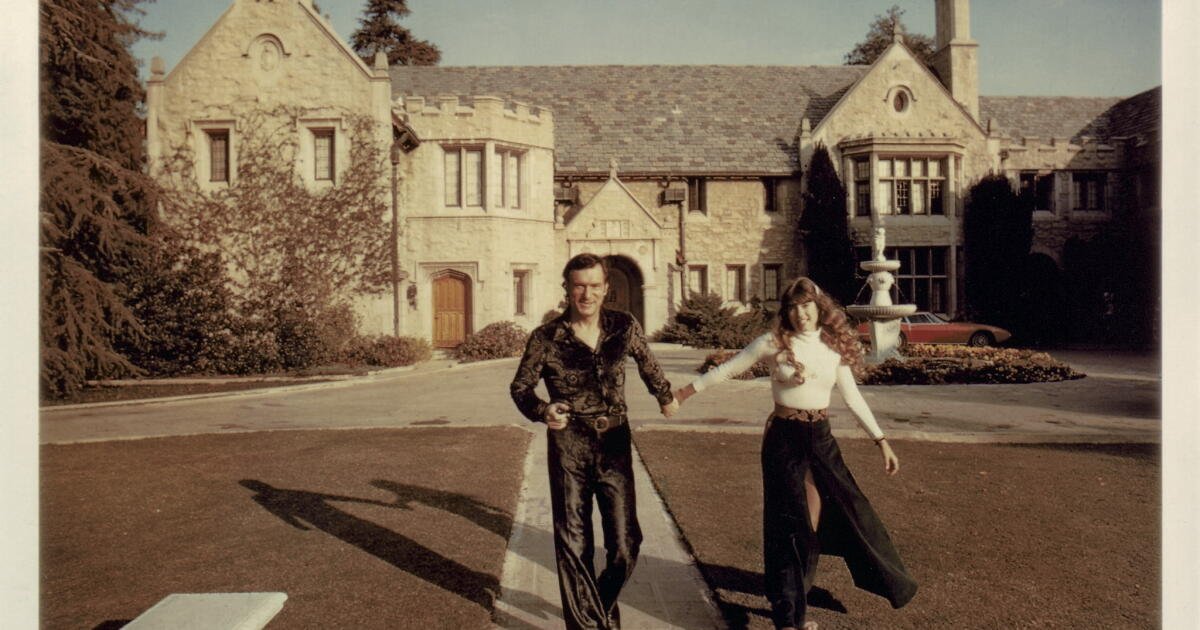
Hugh Hefner and Playboy Mansion became closely associated with luxury, celebrity culture, entertainment, and the rise of Playboy magazine. For decades, the mansion in Los Angeles was one of the most recognizable private residences in American popular culture. Its grand architecture, unusual amenities, celebrity gatherings, and connection to Hefner’s personal brand made it a subject of widespread fascination.
However, the story of the Playboy Mansion goes beyond glamorous parties and famous guests. It reflects the growth of a media empire, changing attitudes toward sexuality and entertainment, and debates about privacy, relationships, and the treatment of women. Understanding the mansion’s history provides a clearer picture of Hugh Hefner’s influence and the complicated legacy he left behind.
Who Was Hugh Hefner?
Hugh Hefner was an American magazine publisher and entrepreneur who founded Playboy magazine in 1953. Born on April 9, 1926, in Chicago, Illinois, he built a publishing business that became an internationally recognized entertainment brand.
The first issue of Playboy featured Marilyn Monroe on its cover and included photographs that helped establish the magazine’s identity. Hefner combined adult-oriented photography with interviews, fiction, cultural commentary, and articles about politics and lifestyle. This approach helped distinguish the publication from other men’s magazines of its era.
As the business expanded, the Playboy name grew beyond print publishing into television, clubs, merchandise, and other forms of entertainment. Hefner became a public figure who represented the lifestyle associated with the brand.
The Playboy Mansion eventually became a central part of that image. It offered a physical setting for the social world Hefner promoted through his magazine and public appearances.
The History of the Playboy Mansion
The property most commonly associated with Hugh Hefner is located in the Holmby Hills neighborhood of Los Angeles, California, near Beverly Hills and Westwood.
Built in 1927, the mansion is a large English Gothic-style residence with extensive grounds. It was not originally constructed for Hefner or the Playboy organization. The property became connected to his business decades after its construction.
In 1971, Playboy Enterprises purchased the mansion. Hefner subsequently made it his primary residence and transformed it into a recognizable symbol of the Playboy lifestyle.
During the following decades, the property appeared frequently in media coverage, television programs, documentaries, and celebrity news. Its reputation grew as guests from the entertainment, music, sports, and business industries attended events there.
The mansion became more than a residence. It served as a social gathering place, a setting for branded entertainment, and a backdrop for stories about the people connected to Hefner.
Inside the Playboy Mansion: Design and Features
The mansion’s architecture and amenities contributed significantly to its reputation. Unlike a typical celebrity home, the property became famous for its combination of historic design, landscaped grounds, and recreational facilities.
Historic Architecture
The residence features an English Gothic architectural style, with distinctive exterior details and an old-world appearance. Its original construction dates to the 1920s, giving it a different character from many modern luxury homes in Los Angeles.
The historic design helped create a dramatic atmosphere that contrasted with the contemporary entertainment culture associated with Playboy.
Gardens and Outdoor Spaces
The property’s extensive grounds included landscaped gardens, patios, recreational areas, and spaces for entertaining guests. These outdoor areas provided a setting for social gatherings and private events.
The gardens were frequently featured in photographs and television coverage, reinforcing the mansion’s image as a secluded retreat within Los Angeles.
The Famous Swimming Pool and Grotto
One of the mansion’s best-known features was its swimming pool and grotto area. The grotto, a cave-like recreational space, became one of the property’s most recognizable attractions.
Its unusual design helped distinguish the mansion from other celebrity residences. Photographs of the pool and surrounding grounds became closely associated with the parties and events held at the property.
Game and Entertainment Areas
The mansion also included recreational facilities and spaces for socializing. These features supported Hefner’s preference for hosting guests in a relaxed, entertainment-focused environment.
Together, the residence and its grounds created a setting that combined historic architecture with the amenities expected of an extravagant private estate.
Why Was the Playboy Mansion So Famous?
The mansion’s fame resulted from several factors, including its connection to Playboy, its celebrity guests, and the public’s interest in Hefner’s private life.
First, the property represented the success of the Playboy brand. As the magazine became widely recognized, the mansion provided a physical symbol of the lifestyle promoted through its pages.
Second, the residence hosted parties attended by entertainers, athletes, models, musicians, and other public figures. Media coverage of these events attracted attention and strengthened its reputation as a gathering place for celebrities.
Third, television and popular culture helped turn the mansion into a recognizable landmark. Reports, interviews, and entertainment programming introduced audiences to its unusual features and the people who visited it.
Finally, the mansion generated curiosity because it was a private residence associated with a highly public personality. The contrast between its secluded grounds and the public attention surrounding Hefner made it an enduring subject of interest.
Celebrity Parties and Events at the Mansion
For many years, parties were an important part of the Playboy Mansion’s public identity. The gatherings ranged from celebrations and industry events to themed parties that received extensive media attention.
The guest list varied over time, and appearances at the mansion did not necessarily indicate a close personal relationship with Hefner. For some celebrities, attending an event was simply a social or professional engagement.
The mansion also became a recognizable setting for photographs, interviews, and entertainment productions. These appearances helped connect the property to Hollywood’s wider celebrity culture.
Although public accounts often emphasized glamour and exclusivity, the events also became part of broader discussions about the relationship between entertainment, sexual imagery, celebrity influence, and media representation.
Hugh Hefner’s Personal Life at the Mansion
Hugh Hefner’s personal life was closely connected to the mansion’s public image. He lived there for much of his later life, and his relationships became a frequent topic of entertainment reporting.
Hefner was married three times: to Mildred Williams, Kimberley Conrad, and Crystal Harris. His relationships, including his time with women who appeared in Playboy publications or television programs, attracted significant public attention.
The mansion was also featured in the reality television series The Girls Next Door, which premiered in 2005. The show followed aspects of life at the residence and introduced viewers to Hefner and several women who lived there during that period.
The program expanded public interest in the property by presenting a more personal, entertainment-focused view of mansion life.
Nevertheless, reality television presents an edited version of events. It should not be treated as a complete record of the experiences of everyone who lived or worked at the mansion.
The Sale of the Playboy Mansion
One of the most significant changes in the property’s history occurred in 2016, when the Playboy Mansion was sold to businessman Daren Metropoulos for approximately $100 million.
The transaction attracted attention because the residence was widely recognized as part of Hefner’s personal identity and the Playboy brand. However, the sale came with an important condition: Hefner was permitted to continue living at the property for the remainder of his life.
The agreement allowed the mansion to change ownership while Hefner continued to reside there. He died on September 27, 2017, at the age of 91.
Following his death, the mansion passed into the next chapter of its history under Metropoulos’s ownership. The property remained notable because of its architectural heritage and its connection to decades of American entertainment culture.
The sale also demonstrated that the mansion had become a valuable real estate asset in its own right, separate from the publishing business that had made it famous.
Controversies and Criticism Surrounding the Mansion
The Playboy Mansion’s history cannot be understood solely through its luxurious surroundings and celebrity events. It was also connected to wider controversies surrounding Hefner, the Playboy brand, and the adult entertainment industry.
Supporters of Hefner often described him as an advocate of sexual freedom and an influential figure in discussions about censorship and personal choice. The magazine challenged some prevailing social attitudes during the 1950s and later decades.
Critics, however, argued that Playboy’s business model objectified women and helped commercialize sexuality. Questions about power, consent, workplace conditions, and relationships also became central to later discussions of Hefner’s legacy.
Former associates and people connected to the Playboy world have shared differing accounts of their experiences. Some described opportunities and social freedom, while others raised concerns about expectations, unequal power dynamics, and the pressures associated with the environment.
These perspectives illustrate why the mansion remains a subject of debate. Its history is intertwined with both changing cultural attitudes and longstanding disagreements about the consequences of the Playboy lifestyle.
Hugh Hefner and the Playboy Mansion’s Cultural Legacy
The mansion continues to attract interest because it represents several overlapping stories: the development of a media empire, the growth of celebrity culture, the commercialization of luxury, and changing social attitudes toward sexuality.
For architectural enthusiasts and real estate observers, it is a distinctive historic property in one of Los Angeles’s most exclusive neighborhoods. For entertainment fans, it recalls decades of celebrity gatherings and reality television. For cultural historians, it provides a way to examine the influence of Playboy on American media and popular culture.
Hefner’s legacy remains complicated. His publishing career contributed to debates about freedom of expression, while criticism of the industry he built continues to shape how his achievements are assessed.
The mansion serves as a reminder that famous properties often acquire meanings beyond their original purpose. Over time, the Playboy Mansion became both a residence and a cultural symbol associated with an influential but controversial public figure.
Frequently Asked Questions
1. Where is the Playboy Mansion located?
The Playboy Mansion is located in Holmby Hills, Los Angeles, California, near Beverly Hills and Westwood.
2. When did Hugh Hefner buy the Playboy Mansion?
Playboy Enterprises purchased the property in 1971, and Hefner subsequently made it his primary residence.
3. Who owns the Playboy Mansion now?
The property was purchased by businessman Daren Metropoulos in 2016 for approximately $100 million. Hefner retained the right to live there for the remainder of his life.
4. What made the Playboy Mansion famous?
Its connection to Hugh Hefner and Playboy magazine, celebrity parties, distinctive architecture, swimming pool, grotto, and television appearances made it internationally recognizable.
5. Did Hugh Hefner live in the mansion until his death?
Yes. The terms of the 2016 sale allowed Hefner to continue living at the mansion until his death in September 2017.
6. Was the Playboy Mansion featured on television?
Yes. The mansion appeared in various entertainment programs and media productions, including the reality television series The Girls Next Door.
7. How much did the Playboy Mansion sell for?
The mansion sold for approximately $100 million in 2016.
8. Why is the Playboy Mansion still discussed today?
The property remains a subject of interest because of its history, architectural character, celebrity associations, and connection to ongoing discussions about Hugh Hefner’s cultural influence and the Playboy brand.
Conclusion
Hugh Hefner and Playboy Mansion remain closely linked in the history of American entertainment and popular culture. From its origins as a 1920s residence to its decades as the home of a prominent magazine publisher, the mansion became a symbol of wealth, celebrity gatherings, and the Playboy lifestyle.
Its story also includes controversy, criticism, and changing cultural perspectives. Looking beyond the glamorous image reveals a more complex legacy involving media, personal relationships, social attitudes, and the influence of celebrity branding. This combination of history and controversy continues to make the Playboy Mansion a subject of public fascination.
Learn About: Variety Magazine
