

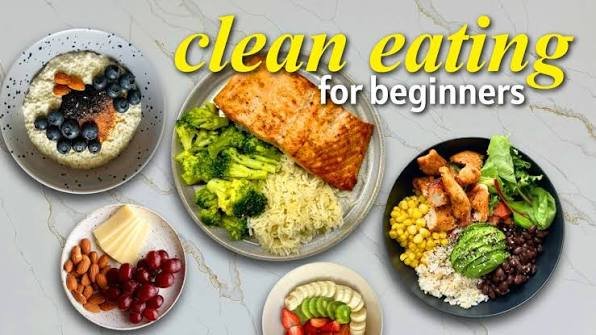
Eating well does not have to mean following complicated diets or giving up all your favorite foods. Clean eats is a simple approach that focuses on fresh, minimally processed, and nutrient-rich foods while keeping meals balanced and enjoyable. From colorful vegetables and fresh fruits to whole grains, lean proteins, beans, nuts, and seeds, there are plenty of ways to make everyday meals more nourishing. Whether you want to improve your daily eating habits or simply discover easier meal ideas, understanding the basics of clean eating can help you make practical food choices that fit naturally into your lifestyle.
What Does Clean Eats Mean?
Clean eats is a casual term used to describe an approach to food that emphasizes fresh, minimally processed, and nutrient-rich ingredients. Instead of focusing on complicated diets or eliminating entire food groups, the basic idea is to make wholesome foods a regular part of everyday meals.
A clean-eating approach can include vegetables, fruits, whole grains, beans, lentils, eggs, fish, poultry, dairy products, nuts, seeds, and healthy sources of fat. It can also include convenient foods when they fit into an overall balanced diet.
The goal is not to make every meal perfect. A practical approach is to pay attention to food quality, variety, portions, and how often highly processed foods appear in your diet.
The Main Principles of Clean Eating
There is no single official definition of clean eating, but several principles commonly appear in clean eats plans.
Choose More Minimally Processed Foods
Foods that are close to their original form are often a useful foundation. Fresh vegetables, whole fruits, beans, lentils, oats, brown rice, potatoes, eggs, and plain yogurt are examples.
Processing itself is not automatically bad. Frozen vegetables, canned beans, pasteurized milk, and whole-grain bread can all be convenient parts of a nutritious diet.
Prioritize Variety
Eating the same few foods every day can make meals boring and may limit nutritional variety. Try rotating different vegetables, fruits, grains, protein sources, nuts, seeds, and legumes throughout the week.
A colorful plate can also make meals more appealing while helping you include a wider range of plant foods.
Pay Attention to Added Sugar and Excess Sodium
Many packaged foods contain added sugars or substantial amounts of sodium. Reading nutrition labels can help you compare products and understand what you are eating.
This does not mean every packaged food needs to be avoided. Instead, it is about becoming more aware of ingredients and choosing options that suit your dietary needs.
Drink More Water
Water is an important part of everyday hydration. Making water your regular drink can also reduce reliance on sugary beverages.
Tea, coffee, milk, and other drinks can also contribute to overall fluid intake, depending on what they contain and your individual dietary needs.
Foods That Fit Into Clean Eats
A clean eats approach can be flexible. Rather than creating a long list of forbidden foods, it can be more useful to organize meals around nutritious food groups.
| Food Group | Examples |
| Vegetables | Spinach, carrots, broccoli, tomatoes, peppers |
| Fruits | Apples, berries, oranges, bananas, melon |
| Whole grains | Oats, brown rice, quinoa, whole-grain bread |
| Protein | Eggs, fish, chicken, beans, lentils |
| Dairy | Plain yogurt, milk, cottage cheese |
| Healthy fats | Avocado, nuts, seeds, olive oil |
| Legumes | Chickpeas, kidney beans, black beans, lentils |
These foods can be combined in countless ways, making it easier to create meals that match different cultures, budgets, and preferences.
How to Build a Balanced Clean Meal
A useful meal does not have to be complicated. Start by combining several food groups.
For example, a simple lunch could include grilled chicken, brown rice, roasted vegetables, and a small amount of olive oil-based dressing. A vegetarian version could replace the chicken with chickpeas or lentils.
Breakfast might combine oats with plain yogurt, fruit, and nuts. Dinner could include baked fish, potatoes, and a large serving of vegetables.
The important point is balance. A meal built around only vegetables may leave you hungry, while a meal dominated by refined carbohydrates may lack variety. Combining protein, carbohydrate-rich foods, vegetables or fruit, and a source of fat can create a more satisfying meal.
Simple Clean Eats Ideas for Every Meal
Breakfast
Start the day with foods that provide a combination of nutrients rather than relying entirely on highly sweetened breakfast products.
Some simple options include:
- Oatmeal with banana, berries, and nuts
- Eggs with whole-grain toast and tomatoes
- Plain yogurt with fruit and seeds
- A vegetable omelet with whole-grain toast
Lunch
Lunch can be simple enough to prepare ahead of time.
Try a grain bowl with brown rice, chickpeas, cucumber, tomatoes, leafy greens, and a yogurt or lemon-based dressing. Another option is a whole-grain sandwich filled with chicken, vegetables, and avocado.
Dinner
Dinner is a good opportunity to include plenty of vegetables alongside a protein source and a filling carbohydrate.
For example, baked salmon with potatoes and green vegetables creates a straightforward meal. A plant-based dinner could combine lentils with brown rice and roasted vegetables.
Snacks
Snacks do not have to be elaborate. Fruit, unsalted nuts, plain yogurt, vegetables with hummus, or a boiled egg can all be practical choices.
The right snack depends on your hunger, activity level, dietary requirements, and the timing of your next meal.
Common Mistakes to Avoid
Clean eating can become unnecessarily restrictive if it is interpreted as a set of strict rules.
Treating All Processed Foods as Bad
Processing covers a wide range of foods. Washing, freezing, cooking, fermenting, pasteurizing, and packaging are all forms of food processing.
Instead of judging foods simply as “processed” or “clean,” consider the food’s ingredients, nutritional value, portion, and role in your overall diet.
Eliminating Foods Without a Reason
Removing entire food groups is not necessary for everyone. If you have an allergy, intolerance, medical condition, or specific dietary requirement, restrictions may be appropriate under suitable guidance.
Otherwise, unnecessary restrictions can make eating more difficult and reduce variety.
Expecting Perfection
One less nutritious meal does not cancel out a generally balanced eating pattern. Healthy eating is easier to maintain when occasional treats and social meals can fit into your lifestyle.
Making Meals Too Complicated
A nutritious meal does not require expensive ingredients or hours of preparation. Simple combinations of vegetables, grains, protein, and healthy fats can work extremely well.
How to Make Clean Eating Sustainable
The easiest way to maintain clean eats habits is to make them convenient.
Keep basic ingredients available at home. Frozen vegetables, canned beans, oats, eggs, whole grains, fruit, and nuts can make it easier to prepare meals when time is limited.
Meal preparation can also help. Cooking a batch of rice, washing vegetables, preparing beans, or portioning snacks in advance can reduce the temptation to depend entirely on convenience foods.
Another useful strategy is to make gradual changes. You might begin by adding a vegetable to dinner, replacing sugary drinks with water more often, or choosing whole-grain products when practical.
Small changes can become regular habits without requiring an extreme diet.
Frequently Asked Questions
Is clean eating the same as dieting?
No. Clean eating generally describes a way of choosing and preparing foods rather than one specific calorie-restricted diet. Different people can follow the approach in different ways.
Can I eat bread while following clean eats?
Yes. Whole-grain bread can be part of a balanced eating pattern. Check the ingredient and nutrition information when comparing different products.
Are frozen vegetables considered clean eats?
Frozen vegetables can fit easily into a nutritious eating pattern. They are convenient, have a long storage life, and can make it easier to include vegetables regularly.
Can clean eating include snacks?
Yes. Snacks can be part of a balanced diet. Options such as fruit, nuts, yogurt, vegetables, or hummus can provide useful nutrients between meals.
Do I need to avoid sugar completely?
Not necessarily. A practical approach is to pay attention to added sugars and how often highly sweetened foods and drinks appear in your diet rather than treating all sugar-containing foods the same way.
Is clean eating expensive?
It does not have to be. Seasonal produce, oats, beans, lentils, potatoes, eggs, and other basic ingredients can be relatively affordable. Buying ingredients that are versatile and planning meals can also help control costs.
Can I eat out and still follow clean eats?
Yes. When eating out, you can look for meals that include vegetables, a protein source, and a suitable carbohydrate. You do not need to follow rigid rules every time you eat away from home.
What is the most important part of clean eating?
Consistency and balance are more practical than perfection. Building meals around a variety of nutritious foods while limiting highly processed options can provide a flexible foundation for everyday eating.
Conclusion
Clean eats is best approached as a flexible way of building meals around nutritious, minimally processed foods rather than as a strict list of forbidden ingredients. Vegetables, fruits, whole grains, legumes, protein-rich foods, nuts, seeds, and other wholesome ingredients can form the foundation of satisfying meals.
The most sustainable approach is one that fits your budget, culture, schedule, preferences, and nutritional needs. Simple meals, gradual changes, and a balanced attitude can make healthier food choices much easier to maintain over time.
Learn About: Healthy Eating
