

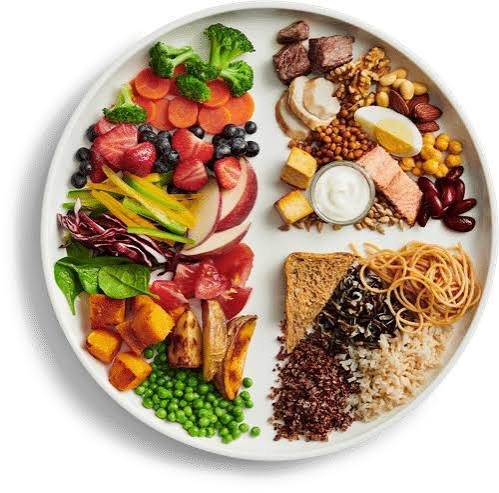
Healthy eating doesn’t mean giving up your favorite foods or following a complicated diet. It is about making everyday food choices that provide your body with the nutrients and energy it needs.
A healthy diet can include colorful vegetables, fresh fruit, whole grains, lean proteins, beans, nuts, seeds, and healthy sources of fat. The goal is not to eat perfectly at every meal. Instead, focus on creating balanced meals most of the time and developing habits that you can maintain for years.
Whether you’re preparing breakfast before work, packing lunch for your family, or deciding what to cook for dinner, small improvements can make healthy eating much easier.
What Is Healthy Eating?
Healthy eating is an approach to food that gives your body a wide range of essential nutrients while supporting overall well-being.
Rather than focusing on one particular food or eliminating entire food groups without a medical reason, a balanced eating pattern includes variety and moderation.
A healthy diet generally includes:
- Vegetables and fruits
- Whole grains
- Beans, lentils, and other legumes
- Eggs, fish, poultry, or other protein sources
- Nuts and seeds
- Dairy or suitable alternatives
- Healthy fats such as olive oil and avocado
- Plenty of water
It is also helpful to limit excessive amounts of added sugars, sodium, and highly processed foods.
Why Healthy Eating Matters
Food plays an important role in providing energy and nutrients your body needs every day. A balanced diet can support normal body functions, help maintain a healthy weight, and contribute to overall health.
Healthy eating can also make everyday meals more satisfying. Foods rich in fiber and protein, for example, can help you feel full between meals.
However, healthy eating isn’t about judging individual foods as completely “good” or “bad.” Your overall eating pattern matters more than one meal or occasional treat.
Key Components of a Healthy Diet
1. Eat More Vegetables and Fruits
Vegetables and fruits provide important vitamins, minerals, fiber, and other beneficial plant compounds.
Try adding variety to your meals by choosing different colors and types.
For example:
- Spinach or other leafy greens
- Carrots
- Tomatoes
- Broccoli
- Bell peppers
- Apples
- Oranges
- Bananas
- Berries
Fresh, frozen, and canned options can all fit into a healthy diet. When choosing canned products, checking the nutrition label can help you identify options with less added sugar or sodium.
2. Choose Whole Grains
Whole grains contain the grain’s natural components and can be a useful source of fiber and nutrients.
Common choices include:
- Oats
- Brown rice
- Whole-wheat bread
- Barley
- Quinoa
- Whole-grain pasta
Oats are particularly convenient for breakfast because they can be prepared in several ways. If you’re unsure about oat varieties, this helpful guide to rolled oats and old fashioned oats explains how they compare in processing, texture, cooking time, and nutrition.
3. Include Protein-Rich Foods
Protein helps your body build and maintain tissues and is an important part of a balanced diet.
Good options include:
- Fish
- Eggs
- Chicken
- Beans
- Lentils
- Tofu
- Yogurt
- Nuts and seeds
You don’t need to rely on one protein source. Mixing animal and plant-based foods can add variety to your meals.
4. Don’t Forget Healthy Fats
Fat is an essential nutrient, but the type of fat matters.
Foods such as avocado, nuts, seeds, olive oil, and fatty fish can provide healthier unsaturated fats.
A practical approach is to use these foods in reasonable portions rather than avoiding dietary fat altogether.
How to Build a Balanced Plate
One of the easiest ways to practice healthy eating is to think about the overall balance of your plate.
| Food Group | Examples |
| Vegetables | Broccoli, spinach, carrots, peppers |
| Protein | Fish, chicken, eggs, beans, tofu |
| Whole grains | Brown rice, oats, quinoa, whole-grain bread |
| Healthy fats | Avocado, nuts, seeds, olive oil |
| Fruit | Apples, berries, oranges, bananas |
You don’t have to follow exact percentages at every meal. Instead, aim for variety and balance.
For example, a simple dinner could include grilled chicken, brown rice, roasted vegetables, and a small serving of avocado.
Healthy Eating at Breakfast
Breakfast can be a great opportunity to combine several food groups.
Instead of relying only on refined carbohydrates, consider pairing a whole grain with protein and fruit.
Some simple ideas include:
Oatmeal Bowl
Prepare oats with milk or a suitable alternative and top them with berries, nuts, and a small amount of cinnamon.
Yogurt and Fruit
Combine plain yogurt with fresh fruit, oats, and seeds for a quick meal.
Eggs and Whole-Grain Toast
Eggs with whole-grain toast and vegetables can provide protein, carbohydrates, and fiber.
The best breakfast is one that fits your appetite, schedule, and nutritional needs.
Choosing Better Snacks
Snacking isn’t automatically unhealthy. What matters is what you choose and how much you eat.
Nutritious snack ideas include:
- Fresh fruit
- Plain yogurt
- A small handful of nuts
- Carrot or cucumber sticks
- Hummus with vegetables
- Whole-grain crackers with cheese
- Boiled eggs
If you regularly become extremely hungry between meals, it may also be worth looking at whether your main meals contain enough protein, fiber, and satisfying foods.
Smart Lunch and Dinner Choices
A healthy lunch or dinner doesn’t need to require hours in the kitchen.
Try using a simple formula:
Protein + vegetables + whole grain or other carbohydrate + healthy fat
For example:
Lunch: Grilled chicken, quinoa, cucumber, tomatoes, and olive-oil dressing.
Dinner: Baked fish, roasted vegetables, brown rice, and avocado.
Vegetarian option: Lentils, brown rice, mixed vegetables, and yogurt.
For people who enjoy fresh, uncomplicated meals, approaches such as Nika Food’s focus on fresh ingredients and balanced meals can provide useful inspiration for putting together simple dishes without making food preparation unnecessarily complicated.
How to Make Healthy Eating Easier
Knowing what to eat is one thing. Making those choices consistently is another.
These strategies can help.
Plan Before You Shop
Create a basic meal plan before going grocery shopping. This can reduce impulse purchases and make it easier to use the ingredients you already have.
Keep Healthy Foods Accessible
Place fruit where you can easily see it. Keep nuts, yogurt, vegetables, and other nutritious options ready for quick snacks.
Cook at Home More Often
Home cooking gives you greater control over ingredients and portion sizes. You don’t need elaborate recipes; simple meals can be nutritious and satisfying.
Make Small Changes
You don’t have to completely change your diet overnight.
Start with one or two improvements, such as:
- Adding a vegetable to dinner.
- Replacing sugary drinks with water more often.
- Choosing whole grains more frequently.
- Adding a protein source to breakfast.
- Eating fruit instead of highly processed snacks.
Small changes are often easier to maintain than extreme restrictions.
Foods to Limit
Healthy eating doesn’t require completely banning certain foods. However, some foods are best consumed less frequently or in smaller amounts.
These may include foods and drinks high in:
- Added sugars
- Sodium
- Saturated fat
- Refined carbohydrates
- Excess calories with limited nutritional value
Examples include sugary drinks, heavily processed snacks, and many fast-food meals.
The key is balance. An occasional dessert or favorite meal can fit into an otherwise nutritious eating pattern.
Common Healthy Eating Mistakes
Trying to Be Perfect
One less nutritious meal doesn’t ruin your diet. Healthy eating is about your overall pattern.
Cutting Out Entire Food Groups
Unless medically necessary or recommended by a qualified healthcare professional, eliminating major food groups can make it harder to get a broad range of nutrients.
Ignoring Portion Sizes
Even nutritious foods can contribute significant calories when eaten in very large amounts. Portion awareness can help maintain balance.
Depending Too Much on Packaged “Healthy” Foods
A product labeled “healthy” isn’t automatically the best choice. Reading the nutrition facts panel and ingredient list gives you more useful information.
Forgetting About Hydration
Water is essential for normal body functions. Keep water available throughout the day and adjust your intake according to factors such as activity, climate, and individual needs.
A Simple One-Day Healthy Eating Example
Here’s an example of how a balanced day might look:
| Meal | Example |
| Breakfast | Oatmeal with berries, yogurt, and nuts |
| Snack | Apple with peanut butter |
| Lunch | Grilled chicken, brown rice, and mixed vegetables |
| Snack | Plain yogurt with fruit |
| Dinner | Baked fish, roasted vegetables, and quinoa |
| Drink | Water throughout the day |
This is only an example. Your ideal meals can vary based on your age, activity level, preferences, cultural foods, budget, and individual nutritional needs.
Key Takeaways
- Healthy eating is about overall dietary patterns, not perfection.
- Eat a variety of vegetables, fruits, whole grains, and protein-rich foods.
- Include sources of healthy unsaturated fats.
- Choose minimally processed foods more often.
- Pay attention to portions and hunger cues.
- Drink enough water throughout the day.
- Plan meals and snacks to make nutritious choices easier.
- Enjoy treats occasionally without feeling guilty.
- Make gradual changes that you can maintain long term.
FAQs
What is the simplest way to start healthy eating?
Start by improving one meal at a time. Add more vegetables, choose whole grains, include a protein source, and drink water more often. Gradual changes are generally easier to maintain than restrictive diets.
What foods should I eat every day?
A varied diet can include vegetables, fruits, whole grains, protein-rich foods, and healthy sources of fat. The exact foods and portions depend on individual nutritional needs.
Can I eat carbohydrates on a healthy diet?
Yes. Carbohydrates are an important source of energy. Whole grains, fruits, vegetables, beans, and other minimally processed carbohydrate sources can all be part of a balanced diet.
Is healthy eating expensive?
It doesn’t have to be. Seasonal produce, beans, lentils, oats, eggs, and other basic ingredients can be affordable choices. Planning meals and reducing food waste can also help control costs.
Can healthy eating help with weight management?
A balanced eating pattern can support healthy weight management when combined with appropriate portions and regular physical activity. Individual needs vary, so people with specific weight or health concerns should consider speaking with a qualified healthcare professional.
Are snacks part of healthy eating?
Yes. Nutritious snacks can be useful when you’re hungry between meals. Fruit, yogurt, vegetables, nuts, and other minimally processed foods are practical options.
Do I need to completely avoid sugar?
Not necessarily. The goal is generally to limit excessive intake of added sugars rather than assuming every sweet food must be eliminated. A balanced diet can include occasional treats.
Conclusion
Healthy eating doesn’t have to be complicated, expensive, or restrictive. The most practical approach is to build meals around a variety of nutritious foods and create habits that fit naturally into your lifestyle.
Focus on vegetables and fruits, whole grains, protein-rich foods, healthy fats, and adequate hydration. Pay attention to portions, limit highly processed foods, and give yourself flexibility instead of chasing perfection.
Most importantly, think about healthy eating as a long-term lifestyle rather than a short-term diet. A few better choices today, repeated consistently over time, can become habits that support your overall well-being for years to come.
