

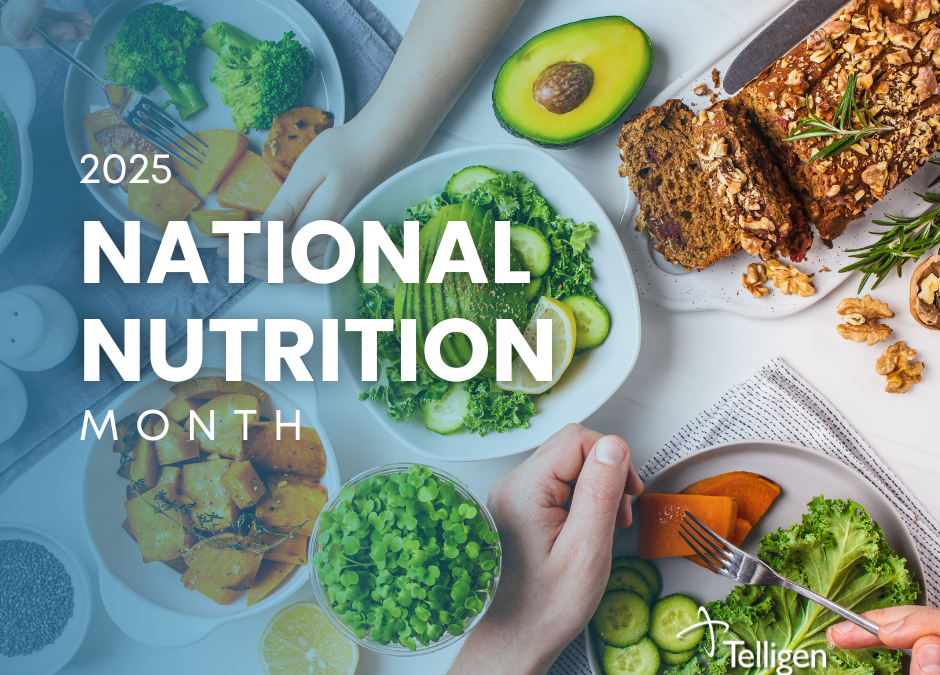
Healthy eating and nutrition are about more than following a strict diet or avoiding certain foods. They involve giving your body a balanced combination of nutrients while choosing foods that support energy, growth, immunity, and overall well-being. A healthy eating pattern can include a wide variety of foods, including fruits, vegetables, whole grains, protein-rich foods, and healthy fats.
The good news is that eating well does not have to be complicated. Understanding a few basic principles can make it easier to build nutritious meals, make better food choices, and develop habits that are realistic for everyday life.
What Is Healthy Eating and Nutrition?
Healthy eating is the practice of choosing and combining foods in a way that provides the nutrients your body needs. Nutrition refers to how the body receives and uses nutrients from food and beverages.
A balanced eating pattern does not require eliminating entire food groups without a medical reason. Instead, it focuses on variety, appropriate portions, and nutrient-rich choices.
For example, a balanced meal might contain vegetables, a source of protein, whole grains or another carbohydrate-rich food, and a small amount of healthy fat. The exact foods can vary according to culture, preferences, budget, and individual nutritional needs.
Why Good Nutrition Matters
Food provides the energy and nutrients required for everyday activities and normal body functions. A nutritious eating pattern can also help support a healthy body weight and provide important nutrients such as fiber, calcium, iron, potassium, and vitamins.
Healthy eating is especially important because nutritional needs can change throughout life. Children, teenagers, adults, older people, pregnant individuals, and people with certain medical conditions may have different dietary requirements.
Rather than focusing on one food or one meal, it is more useful to look at your overall eating pattern. Occasional treats can fit into a balanced diet, while consistently relying on foods that are high in added sugars, sodium, or unhealthy fats can make it harder to meet nutritional needs.
The Main Nutrients Your Body Needs
Your body needs several types of nutrients to function properly. They can be divided into macronutrients and micronutrients.
Carbohydrates
Carbohydrates are an important source of energy. Foods such as whole grains, fruits, vegetables, beans, lentils, and potatoes provide carbohydrates along with other nutrients.
Choosing higher-fiber carbohydrate sources can help make meals more filling and nutritious.
Protein
Protein helps build and maintain muscles and other body tissues. It can come from foods such as eggs, fish, poultry, dairy products, beans, lentils, peas, nuts, seeds, and soy foods.
Including a protein source in meals can make it easier to create a balanced eating pattern.
Fats
Dietary fat is also necessary for the body. Fat helps with the absorption of certain vitamins and contributes to cell and hormone functions.
Foods such as nuts, seeds, avocados, olives, and some vegetable oils provide unsaturated fats. A healthy diet generally emphasizes unsaturated fats while limiting excessive intake of saturated and trans fats.
Vitamins and Minerals
Vitamins and minerals support many processes in the body. Fruits and vegetables provide a range of vitamins, minerals, and other beneficial compounds, while foods such as dairy products, legumes, meat, fish, eggs, nuts, and whole grains can provide additional nutrients.
Eating a variety of foods is one of the simplest ways to obtain a broad range of micronutrients.
Fiber
Fiber is found naturally in plant foods, including vegetables, fruits, whole grains, beans, lentils, nuts, and seeds. It supports digestive health and can contribute to feelings of fullness.
Increasing fiber gradually while drinking enough fluids can make it easier for the digestive system to adapt.
Water
Water is essential for normal body functions. Needs vary from person to person and can be affected by factors such as activity level, weather, age, and health status.
Water is often a simple choice for staying hydrated, while other beverages can contribute to overall fluid intake as well.
Foods to Include in a Healthy Diet
A varied diet can make it easier to obtain the nutrients your body needs. Consider including:
- Vegetables: leafy greens, carrots, tomatoes, peppers, broccoli, cauliflower, and other seasonal vegetables
- Fruits: apples, bananas, oranges, berries, melons, and other fresh or frozen options
- Whole grains: oats, brown rice, whole-grain bread, barley, and other whole-grain foods
- Protein foods: beans, lentils, eggs, fish, poultry, lean meats, tofu, nuts, and seeds
- Dairy or alternatives: milk, yogurt, cheese, or suitable fortified alternatives
- Healthy fats: nuts, seeds, avocados, olives, and vegetable oils
You do not need to eat the same foods every day. Rotating different foods can make meals more enjoyable while increasing dietary variety.
How to Build a Balanced Meal
One practical approach to healthy eating is to think about what is on your plate rather than concentrating only on calories.
For a main meal, you might combine:
Vegetables or fruit + protein + a whole-grain or other carbohydrate source + a source of healthy fat
For example, a meal could include grilled fish, brown rice, cooked vegetables, and a small portion of avocado. Another option could be lentils with whole-grain bread, a vegetable salad, and yogurt.
These are examples rather than strict rules. The right portions and foods depend on individual needs.
Healthy Eating Habits for Everyday Life
Plan Meals in Advance
Planning a few meals before grocery shopping can reduce last-minute food choices. Keep nutritious ingredients that are easy to prepare available at home.
Make Small Changes
You do not need to completely change your diet overnight. You could start by adding another serving of vegetables, replacing refined grains with whole grains more often, or choosing water instead of a sugary drink.
Read Food Labels
Food labels can help you compare products. Pay attention to serving size and amounts of nutrients such as sodium, added sugars, fiber, protein, and saturated fat.
Eat More Whole and Minimally Processed Foods
Processed foods are not automatically unhealthy, and some can be convenient and nutritious. However, building meals mainly around whole or minimally processed foods can make it easier to obtain a wide range of nutrients.
Practice Portion Awareness
Even nutritious foods can contribute a lot of energy when eaten in very large amounts. Paying attention to hunger and fullness can help you decide how much food feels appropriate.
Keep Healthy Snacks Available
Fruit, unsweetened yogurt, nuts, seeds, vegetables with a suitable dip, or whole-grain foods can be convenient snack options.
Common Mistakes to Avoid
Healthy eating does not mean following every food trend you encounter. Some common mistakes include:
- Completely eliminating food groups without a specific reason
- Focusing on one nutrient while ignoring overall diet quality
- Assuming that expensive foods are always healthier
- Depending heavily on supplements instead of a varied diet
- Treating one unhealthy meal as a reason to abandon healthy habits
- Following highly restrictive diets without considering nutritional adequacy
A sustainable approach is usually easier to maintain than an extremely restrictive one.
Healthy Eating and Nutrition FAQs
What is the simplest way to start eating healthier?
Start with small, practical changes. Add more vegetables and fruits, include a protein source with meals, choose whole grains more often, and make water a regular beverage choice.
Can healthy eating include desserts?
Yes. A balanced eating pattern can include occasional desserts and other foods that are mainly enjoyed for taste. Overall dietary patterns matter more than one individual food.
Are carbohydrates part of a healthy diet?
Yes. Carbohydrates are an important source of energy. Foods such as fruits, vegetables, beans, and whole grains can provide carbohydrates along with fiber and other nutrients.
Is breakfast necessary for healthy eating?
Breakfast can be part of a healthy eating pattern, but nutritional needs and eating schedules vary. The overall quality and balance of your diet are more important than following one universal meal schedule.
Are frozen fruits and vegetables nutritious?
Frozen fruits and vegetables can be nutritious and are often convenient. They can be a useful option when fresh produce is unavailable, expensive, or difficult to store.
Do I need supplements if I eat healthy?
Not everyone needs dietary supplements. Some people may require specific supplements because of age, pregnancy, dietary restrictions, or medical circumstances. A healthcare professional can help determine whether supplementation is appropriate.
How much water should I drink?
Fluid needs vary depending on factors such as body size, physical activity, climate, diet, and health. Drinking regularly and responding to thirst can help support hydration, while individual circumstances may require different recommendations.
Is healthy eating expensive?
Healthy eating does not necessarily require expensive foods. Beans, lentils, oats, seasonal vegetables, fruits, eggs, and other affordable staples can form the foundation of nutritious meals.
Conclusion
Healthy eating and nutrition are about creating a balanced and sustainable relationship with food. Instead of searching for a perfect diet, focus on variety, nutrient-rich foods, sensible portions, adequate hydration, and habits you can maintain over time.
Adding more vegetables and fruits, choosing nutritious protein sources, eating whole grains, including healthy fats, and limiting excessive amounts of added sugars and sodium are practical steps toward a balanced eating pattern. Most importantly, healthy eating should fit your individual needs, preferences, culture, and lifestyle.
Learn About: MyPlate Nutrition Guide
