

Eating a balanced diet doesn’t have to mean counting calories, following strict rules, or planning every meal perfectly. The MyPlate nutrition guide offers a simple and practical way to build healthier meals while still enjoying the foods you love.
Created by the U.S. Department of Agriculture (USDA), MyPlate is built around five main food groups: fruits, vegetables, grains, protein foods, and dairy. Rather than telling everyone exactly what to eat, it gives you a flexible visual guide that can work with different lifestyles, cultures, budgets, and dietary preferences.
From choosing a better breakfast to putting together a balanced family dinner, the MyPlate approach can make healthy eating feel less complicated and much easier to manage in everyday life.
What Is the MyPlate Nutrition Guide?
The MyPlate nutrition guide is a USDA nutrition education tool designed to help people understand what a balanced meal can look like.
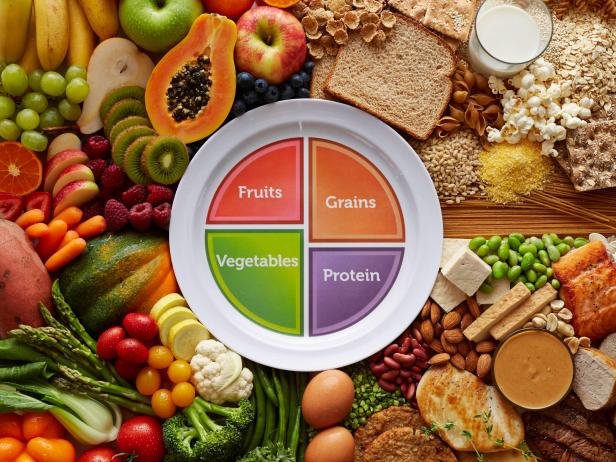
The familiar MyPlate graphic divides a plate into sections for fruits, vegetables, grains, and protein foods, with dairy represented separately. The basic idea is simple: include a variety of foods and pay attention to the overall balance of your meal.
MyPlate also encourages people to:
- Make half their plate fruits and vegetables.
- Make at least half their grains whole grains.
- Include a variety of protein foods.
- Choose low-fat or fat-free dairy or suitable fortified alternatives.
- Limit foods high in added sugars, saturated fat, and sodium.
The approach is flexible, so you don’t need to create a perfect plate at every meal. What matters most is your overall eating pattern.
The Five MyPlate Food Groups
Understanding the five food groups is the foundation of the MyPlate nutrition guide.
1. Fruits
Fruits provide important nutrients, including fiber, vitamins, minerals, and naturally occurring carbohydrates.
Good choices include:
- Apples
- Bananas
- Oranges
- Berries
- Melons
- Peaches
- Pears
Whole fruits are generally a useful choice because they provide fiber and can be more filling than fruit juice.
You can add fruit to breakfast, enjoy it as a snack, or include it with lunch or dinner.
2. Vegetables
Vegetables are an important source of fiber, vitamins, minerals, and other beneficial nutrients.
Try including different colors and types, such as:
- Leafy greens
- Carrots
- Tomatoes
- Broccoli
- Bell peppers
- Cauliflower
- Sweet potatoes
Eating a variety of vegetables helps you get a wider range of nutrients. Fresh, frozen, and canned vegetables can all fit into a healthy eating pattern.
3. Grains
Grains provide carbohydrates, which are an important source of energy. The MyPlate approach recommends making at least half of your grain choices whole grains.
Examples include:
- Whole-wheat bread
- Brown rice
- Oatmeal
- Whole-grain pasta
- Quinoa
- Barley
Whole grains contain more of the grain’s natural components than refined grains and are often higher in dietary fiber.
4. Protein Foods
Protein foods help provide protein and other essential nutrients. MyPlate includes both animal and plant-based protein sources.
Examples include:
- Chicken
- Fish
- Eggs
- Lean meats
- Beans
- Lentils
- Peas
- Nuts
- Seeds
- Soy products
Choosing different protein sources throughout the week can make meals more varied and nutritious.
For example, you could have eggs at breakfast, lentils at lunch, and grilled fish at dinner.
5. Dairy
The dairy group includes foods such as milk, yogurt, and cheese. These foods can provide calcium, protein, potassium, vitamin D, and other nutrients.
Options can include:
- Milk
- Yogurt
- Cheese
- Lactose-free dairy products
- Fortified soy milk or yogurt
People who don’t consume dairy can choose appropriate fortified alternatives based on their dietary needs.
How Much of Your Plate Should Each Food Group Take?
One of the easiest parts of the MyPlate nutrition guide is its visual approach.
Rather than requiring everyone to eat exactly the same amount, MyPlate gives general proportions that can be adjusted according to individual needs.
| Food Group | Simple MyPlate Approach |
| Fruits | About one-quarter of the plate |
| Vegetables | About one-quarter of the plate |
| Grains | About one-quarter of the plate |
| Protein | About one-quarter of the plate |
| Dairy | Include a dairy or fortified alternative |
Together, fruits and vegetables should make up roughly half of the plate. The USDA also recommends making half of your grains whole grains.
However, individual food-group targets aren’t identical for everyone. Age, sex, activity level, and calorie needs can affect how much food a person needs.
Choosing Healthier Foods Within Each Group
Following MyPlate isn’t simply about filling a plate. Food quality matters, too.
For example, choosing whole-grain bread instead of refined bread can increase fiber intake. Selecting fresh fruit instead of a sugary dessert can provide more nutrients with less added sugar.
When shopping, consider these simple habits:
- Compare nutrition labels.
- Look for whole grains.
- Choose fruits and vegetables in different colors.
- Select leaner protein options more often.
- Watch the amount of added sugar and sodium.
- Choose water or other nutritious beverages instead of sugary drinks.
Small changes can add up over time.
Food Safety Is Part of Healthy Eating
Nutrition is only one part of eating well. Safe food preparation matters too, particularly when meals contain meat, poultry, seafood, eggs, or other foods that require careful handling.
For example, if you’re preparing burgers or other meals with ground beef, it’s worth knowing how to recognize and respond to food safety notices. This ground beef health alert guide explains why ground beef requires careful handling and why checking product information during a safety alert can be important.
This is especially useful when you’re trying to build healthy meals for your household because nutritious ingredients should also be prepared and stored safely.
MyPlate Nutrition Guide Example
A balanced dinner based on the MyPlate approach could look like this:
Example meal:
- Grilled chicken breast
- Brown rice
- Steamed broccoli and carrots
- Fresh berries
- Low-fat yogurt
The chicken provides protein, brown rice provides grains, vegetables and berries contribute fruits and vegetables, and yogurt fits into the dairy group.
Another meal could be:
Vegetarian option:
- Lentil curry
- Brown rice
- Mixed green salad
- Roasted vegetables
- Fortified soy yogurt
This shows that MyPlate doesn’t require one specific cuisine. Traditional foods and different cultural eating patterns can fit within the framework.
Practical Tips for Following MyPlate
You don’t need to completely change your diet overnight. Start with manageable adjustments.
1. Add More Vegetables
If your usual dinner contains meat and rice, simply add a side of vegetables.
2. Choose Whole Grains More Often
Replace white bread, rice, or pasta with whole-grain alternatives when practical.
3. Keep Fruit Available
Place washed fruit somewhere convenient so it’s easy to grab when you’re hungry.
4. Vary Your Protein
Don’t rely on one protein source every day. Rotate between fish, poultry, eggs, beans, lentils, nuts, seeds, and other options.
5. Pay Attention to Portions
Even nutritious foods can contribute more calories than you need when portions are very large. Pay attention to hunger and fullness rather than automatically filling your plate.
6. Plan Simple Meals
A basic meal doesn’t need dozens of ingredients. A protein source, whole grain, vegetables, and fruit can create a practical balanced meal.
Common Mistakes to Avoid
Some people misunderstand the MyPlate concept and make it more complicated than it needs to be.
Trying to Make Every Meal Perfect
MyPlate is a guide, not a test. One meal doesn’t determine the quality of your entire diet.
Avoiding Entire Food Groups Without a Reason
Some people remove carbohydrates, dairy, or other food groups unnecessarily. If you need to avoid a food group because of an allergy, medical condition, or personal dietary choice, appropriate alternatives can help provide missing nutrients.
Focusing Only on Calories
Calories matter, but nutrition involves much more than a number. Fiber, protein, vitamins, minerals, fats, and overall food quality also deserve attention.
Ignoring Added Sugar and Sodium
Foods can fit into your diet while still being worth eating less often. The USDA MyPlate guidance encourages limiting added sugars, saturated fat, and sodium.
MyPlate and Different Dietary Needs
The MyPlate nutrition guide is designed as a flexible framework rather than a one-size-fits-all prescription.
Children, adults, older adults, athletes, and people with different activity levels can have different nutritional needs. Someone who exercises intensely may require more energy than someone with a sedentary lifestyle.
People following vegetarian or vegan diets can also use the basic MyPlate structure by selecting appropriate plant-based protein and fortified alternatives.
If you have a medical condition, food allergy, eating disorder, or another condition that affects nutrition, it’s better to discuss your individual diet with a qualified healthcare professional or registered dietitian.
For people managing their broader healthcare information, resources such as the Penn State Health Portal can also be useful for staying organized around appointments, test results, and communication with healthcare providers. A patient portal isn’t a substitute for professional nutrition advice, but keeping healthcare information organized can make it easier to discuss dietary concerns with your care team.
Key Takeaways
- The MyPlate nutrition guide provides a simple framework for balanced eating.
- It focuses on five food groups: fruits, vegetables, grains, protein foods, and dairy.
- Fruits and vegetables should make up about half of your plate.
- At least half of your grains should be whole grains.
- Protein can come from both animal and plant sources.
- Dairy or suitable fortified alternatives can provide important nutrients.
- Food quality, portions, food safety, and overall eating patterns all matter.
- You don’t need a perfect plate at every meal to eat well.
- Individual nutrition needs vary based on factors such as age and activity level.
FAQs
What is the MyPlate nutrition guide?
The MyPlate nutrition guide is a USDA approach to healthy eating that helps people balance five food groups: fruits, vegetables, grains, protein foods, and dairy.
What should make up half of your plate?
Fruits and vegetables should make up about half of the plate according to the basic MyPlate visual approach.
Are carbohydrates allowed on MyPlate?
Yes. Grains are one of the five MyPlate food groups. The guidance encourages choosing whole grains for at least half of your grain intake.
Can vegetarians follow MyPlate?
Yes. Vegetarians can use MyPlate by choosing plant-based protein foods such as beans, lentils, peas, nuts, seeds, and soy foods.
Is MyPlate a diet plan?
Not exactly. MyPlate is better understood as a flexible healthy-eating framework rather than a strict diet or fixed meal plan.
Does everyone have the same MyPlate food targets?
No. Food needs vary between people depending on factors such as age, sex, activity level, and overall energy requirements.
Conclusion
The MyPlate nutrition guide makes healthy eating easier to understand by focusing on balance rather than complicated rules. Instead of worrying about whether every meal is perfect, think about including a variety of nutritious foods across the day.
Build meals around vegetables and fruits, choose whole grains more often, include a variety of protein foods, and add dairy or an appropriate fortified alternative. At the same time, pay attention to added sugars, saturated fat, sodium, portions, and food safety.
The biggest advantage of the MyPlate approach is its flexibility. You can adapt it to your favorite foods, cultural meals, budget, and lifestyle while still working toward a more balanced eating pattern. Small, realistic changes are often easier to maintain than dramatic restrictions—and over time, those everyday choices can make a meaningful difference.
