

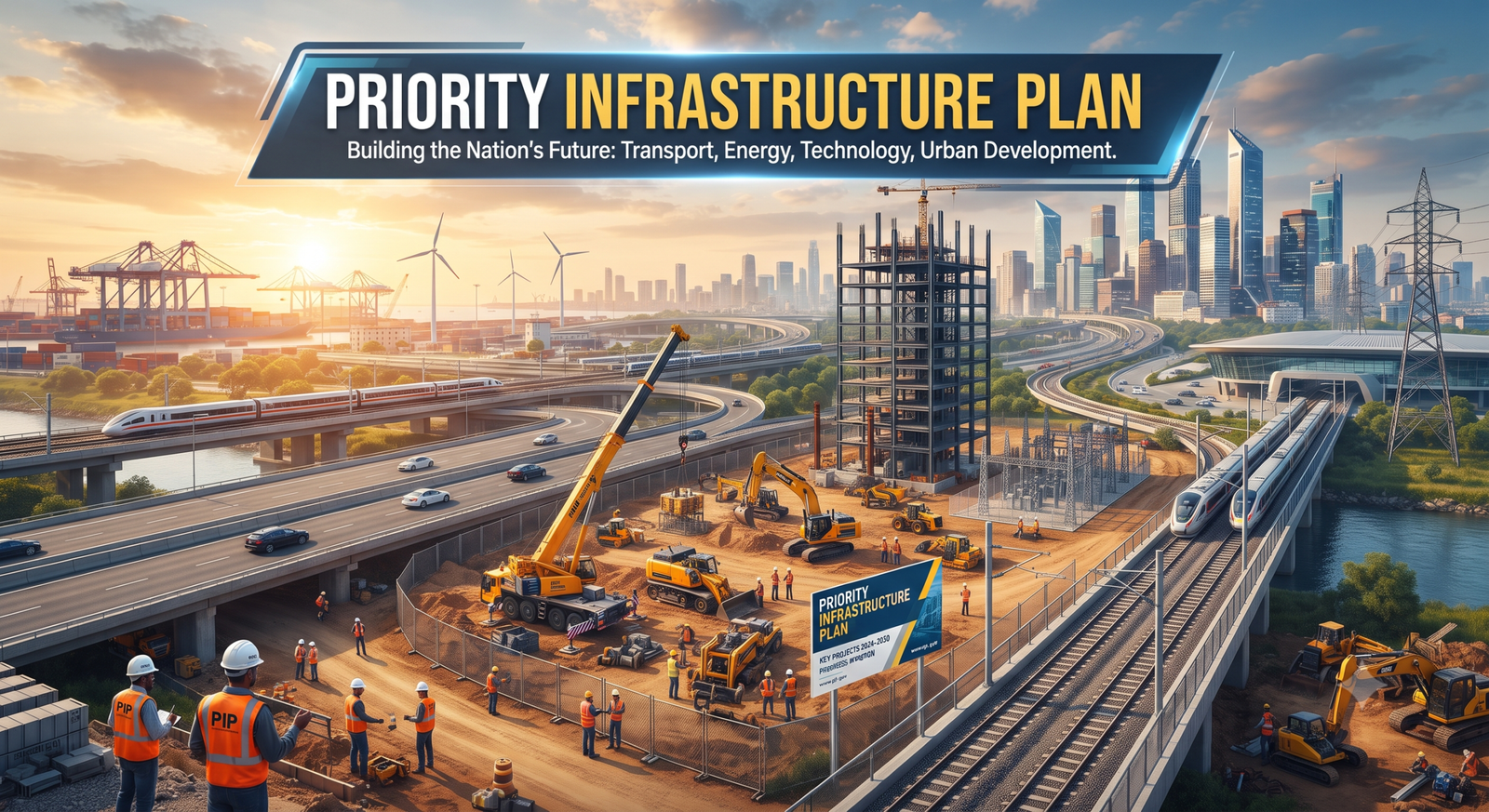
Have you ever noticed how a city can feel completely different when its roads are smoother, public transport works better, and essential services actually keep up with people’s needs? Infrastructure is one of those things we often ignore until something stops working. A damaged road, an unreliable power supply, or an outdated water system quickly reminds us how important strong planning really is.
A well-designed priority infrastructure plan helps governments, communities, and organizations decide which projects need attention first. Instead of spending resources randomly, it focuses on improvements that create the biggest impact for people, businesses, and long-term development.
What Is a Priority Infrastructure Plan?
A priority infrastructure plan is a structured approach used to identify, organize, and complete the most important infrastructure projects within a specific area. These projects may include transportation upgrades, energy systems, water management, digital connectivity, public buildings, and environmental improvements.
The main goal is simple: invest time and money where they are needed the most.
For example, a growing city might not need a new landmark building as much as it needs better roads, expanded public transportation, or improved drainage systems. A good plan looks at real problems and creates practical solutions.
Why Infrastructure Planning Matters
Infrastructure affects almost every part of daily life. From the moment people leave their homes in the morning until they return at night, they depend on systems that were planned and built years earlier.
Poor infrastructure can slow economic growth, increase transportation problems, and create challenges for residents. On the other hand, smart infrastructure investment can make communities safer, more connected, and more attractive for businesses.
A strong planning process helps decision-makers:
- Identify urgent infrastructure needs
- Reduce unnecessary spending
- Improve public services
- Support economic development
- Prepare for future challenges
It’s not just about fixing old systems. It’s about creating a foundation that can handle future growth.
Key Areas Covered in a Priority Infrastructure Plan
Transportation and Road Development
Transportation is usually one of the first areas considered in infrastructure planning. Roads, bridges, public transit, and traffic systems directly influence how people move and how businesses operate.
A city with reliable transportation saves people time and helps companies move goods more efficiently. Small improvements, like better road maintenance or smarter traffic management, can make a noticeable difference in everyday life.
Energy and Utility Improvements
Reliable energy is essential for homes, industries, and public services. Infrastructure plans often include upgrades to electricity networks, renewable energy projects, and improved utility systems.
Many regions are now focusing on cleaner energy solutions because outdated systems can become expensive and difficult to maintain. Investing early can reduce future problems.
Digital Infrastructure Expansion
Technology has changed how communities work. High-speed internet, smart systems, and digital services are no longer luxury features; they’re becoming basic requirements.
A modern priority infrastructure plan often includes digital connectivity because businesses, schools, and healthcare providers increasingly depend on reliable online access.
Water and Environmental Projects
Water management is another important part of infrastructure development. Clean water supply, wastewater systems, flood prevention, and climate-related projects help protect communities.
In areas affected by extreme weather, planning ahead can prevent costly damage and protect people’s safety.
How Governments Create Better Infrastructure Priorities
Creating a successful plan requires more than choosing the biggest projects. Decision-makers usually consider several factors, including population growth, safety concerns, economic benefits, and available budgets.
Community feedback also plays a major role. Local residents often understand problems that may not appear in official reports. A broken road used daily by thousands of people or a public facility that no longer meets demand can become obvious priorities when communities are involved.
Using Data for Smarter Decisions
Modern infrastructure planning relies heavily on data. Information about traffic patterns, population changes, energy usage, and environmental risks helps planners make better choices.
Instead of guessing what might work, leaders can use real information to decide where investment will have the greatest value.
Challenges in Infrastructure Development
Even the best plans face challenges. Budget limitations, approval delays, changing regulations, and unexpected costs can affect project timelines.
Another common issue is balancing immediate needs with long-term goals. Sometimes repairing an old system feels easier than investing in a completely new solution. But short-term fixes don’t always solve bigger problems.
Successful infrastructure development requires patience, flexibility, and careful management.
The Future of Infrastructure Planning
The future of infrastructure will likely focus more on sustainability, technology, and resilience. Cities and communities are looking for ways to handle population growth while reducing environmental impact.
Smart transportation systems, renewable energy networks, and climate-resistant designs are becoming important parts of modern development strategies.
A thoughtful priority infrastructure plan gives communities a clear direction. It helps them prepare for tomorrow instead of constantly reacting to problems today.
Final Thoughts
Good infrastructure doesn’t happen by accident. It comes from careful decisions, realistic planning, and understanding what people truly need. The strongest communities are usually the ones that think ahead and invest in systems that support everyday life.
A well-prepared priority infrastructure plan is more than a list of construction projects. It’s a roadmap for creating safer communities, stronger economies, and a better quality of life for future generations.
Frequently Asked Questions (FAQs)
What is the purpose of a priority infrastructure plan?
The purpose is to identify and organize the most important infrastructure projects so resources can be used effectively. It helps improve essential services while supporting future growth.
Who creates an infrastructure priority plan?
These plans are usually developed by governments, city planners, engineering teams, and community organizations. Experts often work together to understand needs and set realistic goals.
What projects are included in infrastructure planning?
Common projects include roads, bridges, public transportation, energy systems, water networks, digital infrastructure, and environmental improvements.
Why is infrastructure investment important?
Infrastructure investment improves daily life, supports businesses, creates jobs, and helps communities become more prepared for future challenges.
How does technology improve infrastructure planning?
Technology provides useful data and tools that help planners understand problems, monitor systems, and make better decisions about future projects.
Learn About: rox.com
