

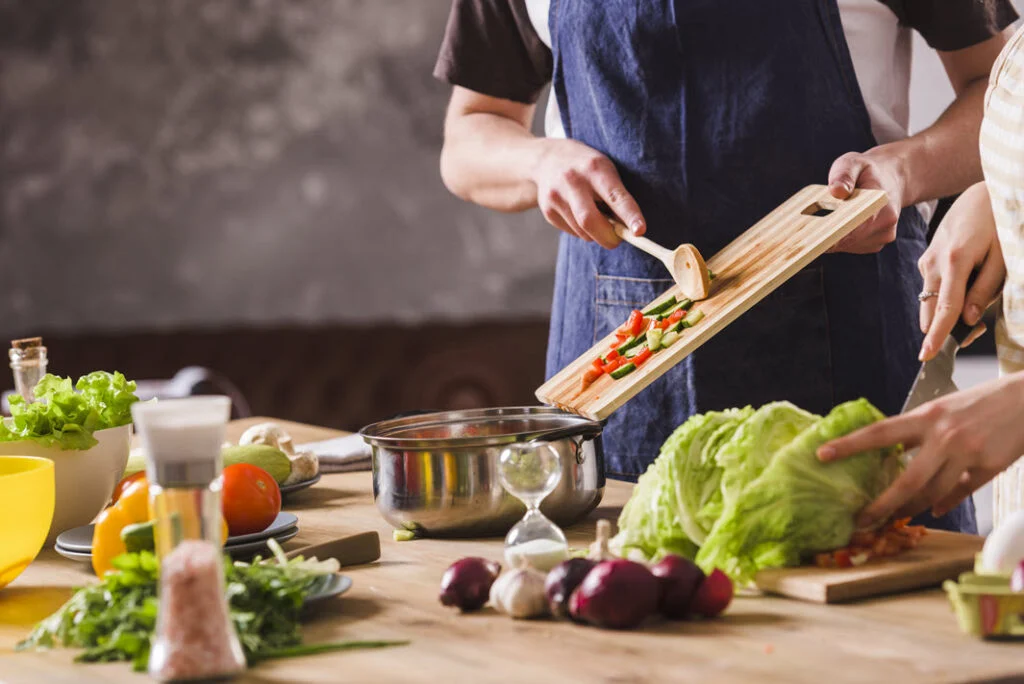
Food preparation is the process of getting ingredients ready for cooking, serving, or eating. It can include washing produce, cutting vegetables, measuring ingredients, marinating meat, preparing cooking equipment, and organizing everything needed for a meal. Good food preparation is not only about making cooking easier; it also plays an important role in food safety, nutrition, quality, and reducing waste.
Whether you are preparing a quick weekday meal or cooking for several people, a few simple preparation habits can make the entire process more organized. Understanding how to handle different ingredients, keep surfaces clean, and prepare food in the right order can help create better meals while reducing unnecessary risks.
What Is Food Preparation?
Food preparation refers to the steps taken before food is cooked or served. These steps vary depending on the type of meal and ingredients being used.
Common preparation tasks include:
- Washing and preparing fruits and vegetables
- Trimming and cutting meat
- Measuring ingredients
- Peeling and chopping vegetables
- Preparing sauces, marinades, and dressings
- Thawing frozen foods safely
- Separating ingredients according to the recipe
- Cleaning and sanitizing food-contact surfaces
- Preparing cooking utensils and equipment
Some foods require very little preparation, while others involve several stages. Planning these steps in advance can make cooking more efficient and help prevent mistakes.
Why Proper Food Preparation Matters
Good preparation can affect much more than the appearance of a meal. It can help maintain food quality and make the cooking process safer and more predictable.
Food Safety
Safe handling is one of the most important parts of food preparation. Raw meat, poultry, seafood, and eggs can carry harmful microorganisms. Keeping raw foods separate from ready-to-eat foods helps reduce the possibility of cross-contamination.
Clean hands, utensils, cutting boards, and work surfaces are also essential. When preparing multiple ingredients, it is important to avoid using contaminated equipment for foods that will not receive further cooking.
Better Cooking Results
Preparing ingredients before cooking allows you to concentrate on the cooking process instead of stopping repeatedly to chop, measure, or search for ingredients.
For example, having vegetables washed and chopped before heating a pan can make it easier to follow a recipe and prevent ingredients from being overcooked while you prepare something else.
Less Food Waste
Thoughtful preparation can also help reduce waste. Planning meals, checking available ingredients, and preparing only the amount needed can prevent unnecessary leftovers or spoiled food.
Vegetable trimmings may sometimes be suitable for stocks or other recipes, depending on the ingredient and its condition.
Essential Food Preparation Steps
Although preparation varies from recipe to recipe, several basic steps are useful for most meals.
1. Read the Recipe Before Starting
If you are following a recipe, read the complete recipe before beginning. Check the ingredients, cooking times, required equipment, and preparation instructions.
This helps you identify steps that need to happen in advance, such as marinating, soaking, thawing, or preheating an oven.
2. Wash Your Hands
Wash your hands thoroughly with soap and water before preparing food and after handling raw meat, poultry, seafood, eggs, or other potentially contaminated ingredients.
Handwashing should also be repeated after touching waste bins, pets, cleaning products, or other objects that may contaminate your hands.
3. Prepare Your Work Area
Start with a clean food-preparation surface. Gather the cutting boards, knives, bowls, measuring tools, pans, and other equipment you need.
Keeping the workspace organized makes it easier to move between preparation tasks without creating unnecessary clutter.
4. Wash Produce Appropriately
Fresh fruits and vegetables should be rinsed under clean running water before eating, cutting, or cooking unless the package instructions indicate otherwise.
Washing produce can remove dirt and some surface contamination. Soap and household cleaning products should not be used to wash fruits and vegetables.
5. Cut Ingredients According to the Recipe
The size and shape of ingredients can influence cooking time. Smaller pieces generally cook more quickly than larger pieces.
Try to cut ingredients into reasonably similar sizes when they are intended to cook together. This can help them cook more evenly.
6. Keep Raw and Ready-to-Eat Foods Separate
Use separate preparation areas or equipment for raw animal products and foods that will be eaten without further cooking when possible.
For example, a cutting board used for raw chicken should not immediately be used for slicing salad ingredients unless it has been properly cleaned first.
Food Preparation and Different Ingredients
Different foods require different preparation techniques.
Vegetables
Vegetables may need washing, peeling, trimming, slicing, dicing, chopping, or grating. Some vegetables can be cooked with their skins, while others are commonly peeled depending on the recipe.
Cutting vegetables shortly before cooking can also help maintain their texture and appearance.
Meat and Poultry
Meat and poultry should be handled carefully to prevent cross-contamination. Keep raw products refrigerated until they are ready to be prepared, and use separate utensils or clean them thoroughly between different food types.
Cooking temperatures should be checked with a food thermometer when appropriate rather than relying only on color or appearance.
Seafood
Seafood is often delicate and may require careful cleaning, trimming, or portioning. Keep seafood cold during preparation and avoid leaving it at room temperature for extended periods.
Grains and Legumes
Rice, lentils, beans, and other grains or legumes may require rinsing, soaking, or other preparation depending on the variety and recipe.
Following package instructions or a reliable recipe can help determine the appropriate preparation and cooking method.
Common Food Preparation Methods
Food preparation does not always mean cutting ingredients. It can involve several techniques that change the texture, flavor, or cooking behavior of food.
| Preparation method | Common purpose |
|---|---|
| Chopping | Creates smaller pieces for cooking or serving |
| Slicing | Produces thin or uniform pieces |
| Dicing | Creates small, even cubes |
| Grating | Produces fine pieces of ingredients such as cheese or vegetables |
| Marinating | Adds flavor and can affect the texture of certain foods |
| Soaking | Softens or prepares ingredients for cooking |
| Peeling | Removes an outer skin or layer |
| Portioning | Divides food into suitable serving or cooking sizes |
The best technique depends on the ingredient and the final dish.
How to Make Food Preparation More Efficient
A little organization can make meal preparation significantly easier.
Prepare Ingredients in Advance
Some ingredients can be prepared ahead of time and stored safely until they are needed. For example, vegetables can sometimes be washed and cut in advance, provided they are stored appropriately.
However, foods that spoil easily should not be left unrefrigerated simply because they were prepared earlier.
Use the Right Tools
A sharp, suitable kitchen knife can make cutting easier and more controlled. Measuring cups and spoons are useful when accurate quantities matter, particularly in baking.
Food thermometers are also valuable for checking whether certain foods have reached a safe internal temperature.
Clean as You Go
Instead of allowing dishes, packaging, and utensils to pile up, clean items during natural pauses in the cooking process.
This can leave the kitchen more manageable and reduce the amount of cleaning required after the meal.
Organize Ingredients Before Cooking
A useful approach is to gather all the ingredients and equipment before turning on the stove or oven. Professional kitchens often use a similar organizational principle, commonly referred to as mise en place, meaning that ingredients and equipment are prepared and arranged before cooking begins.
Food Preparation Mistakes to Avoid
Even simple habits can create problems if they are overlooked.
One common mistake is preparing raw meat on a surface that will later be used for ready-to-eat foods without proper cleaning. Another is leaving perishable ingredients at room temperature for too long.
Other mistakes include:
- Not washing hands between preparation tasks
- Using the same utensils for raw and cooked foods without cleaning them
- Ignoring recipe preparation instructions
- Cutting ingredients into inconsistent sizes when even cooking is important
- Preparing more food than can reasonably be used
- Storing leftovers incorrectly
- Relying on appearance alone to judge whether certain foods are safely cooked
Good preparation is largely about consistency. Small safety and organization habits can make a meaningful difference.
Frequently Asked Questions About Food Preparation
What is the meaning of food preparation?
Food preparation is the process of getting ingredients ready for cooking, serving, or eating. It can include washing, cutting, measuring, marinating, mixing, thawing, and organizing ingredients.
What are the basic steps of food preparation?
Basic steps include washing hands, cleaning the work area, gathering ingredients and equipment, preparing ingredients, keeping raw and ready-to-eat foods separate, and following appropriate cooking and storage instructions.
Why is food preparation important?
Proper preparation helps improve food safety, cooking consistency, organization, meal quality, and efficiency. It can also help reduce food waste.
Should fruits and vegetables be washed before preparation?
Fresh fruits and vegetables should generally be rinsed under clean running water before eating, cutting, or cooking. Soap and household cleaning products should not be used on produce.
How can cross-contamination be prevented?
Keep raw meat, poultry, seafood, and eggs separate from ready-to-eat foods. Use clean utensils and preparation surfaces, wash your hands properly, and clean equipment after handling raw ingredients.
Can food be prepared in advance?
Many ingredients and dishes can be prepared in advance if they are handled and stored safely. Perishable foods should be refrigerated promptly and kept at appropriate temperatures.
What equipment is useful for food preparation?
Useful equipment can include knives, cutting boards, mixing bowls, measuring tools, peelers, graters, food processors, storage containers, and a food thermometer. The right tools depend on the type of food being prepared.
Conclusion
Effective food preparation combines organization, cleanliness, safe food handling, and appropriate preparation techniques. From washing produce and cutting ingredients to separating raw foods and organizing equipment, each step can contribute to a safer and more efficient cooking experience.
You do not need complicated techniques to improve your preparation routine. Simple habits such as reading the recipe first, keeping your workspace clean, preparing ingredients in an organized order, and handling perishable foods safely can make everyday cooking easier while helping you produce better meals.
Learn About: Recipe Finder
