

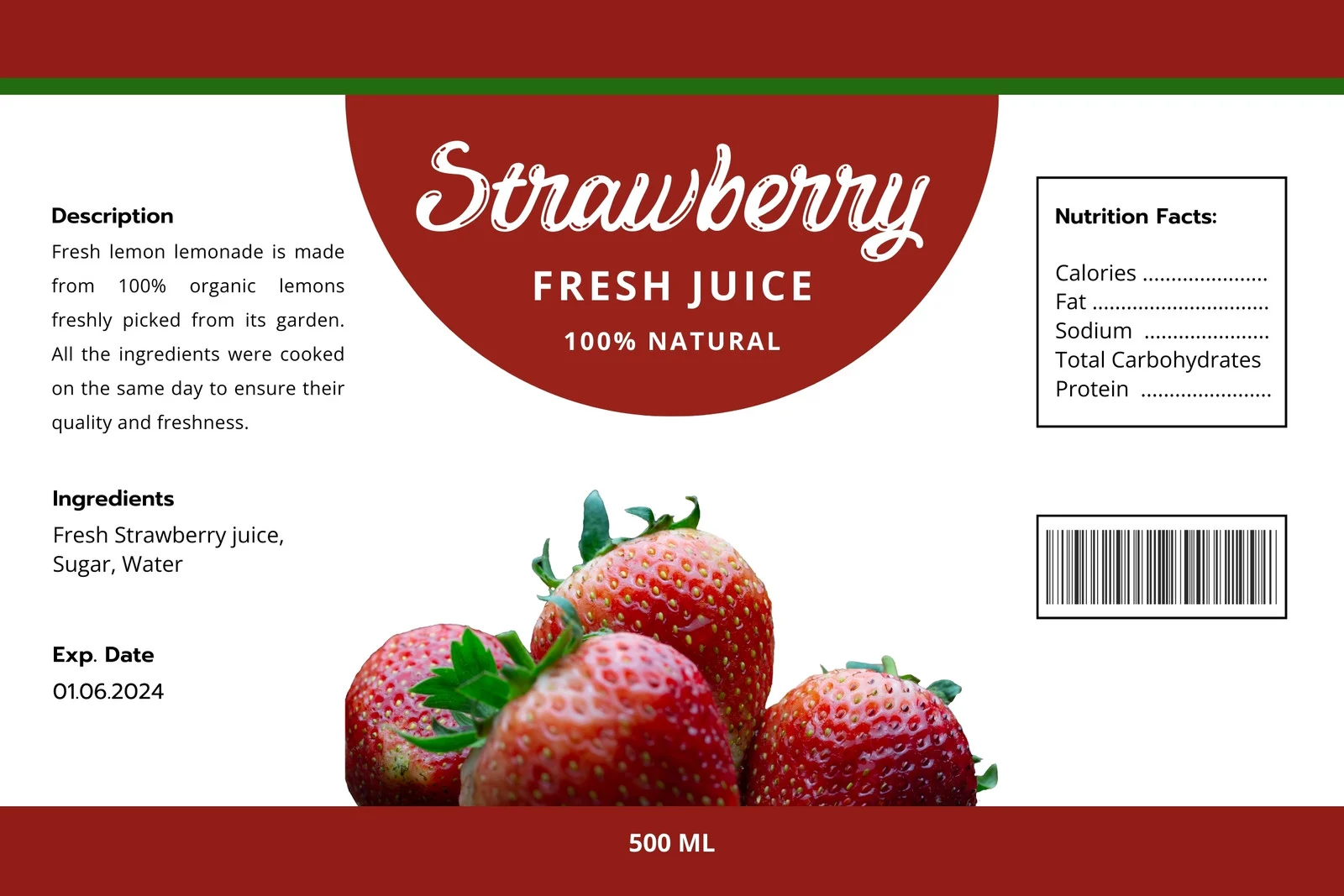
Food labeling plays an important role in helping consumers understand what they eat and drink. From packaged snacks and breakfast cereals to frozen meals and beverages, food labels provide essential information about ingredients, nutritional value, allergens, storage instructions, and expiration dates. Reading this information carefully allows people to compare products, identify ingredients they want to avoid, and make choices that suit their dietary needs.
For food manufacturers, retailers, and distributors, accurate food labeling is equally important. Labels communicate product information, support consumer trust, and help businesses meet applicable food safety and labeling requirements. Whether someone is shopping for groceries, managing a food allergy, or developing a new food product, understanding how food labeling works can make everyday decisions easier and safer.
What Is Food Labeling?
Food labeling refers to the information displayed on food packaging or provided alongside food products to explain their contents, nutritional properties, safety considerations, and intended use.
A food label may appear on a box, bottle, can, wrapper, or other packaging. Depending on the product and the applicable regulations, it can include the product name, ingredient list, nutrition information, manufacturer details, allergen declarations, and storage instructions.
Food labeling serves two main purposes. First, it helps consumers understand the products they purchase. Second, it provides a way for food businesses to communicate accurate information about their products while meeting legal obligations.
For example, a package of breakfast cereal may list its ingredients, serving size, calories, added sugars, and potential allergens. This information helps shoppers compare cereals and select one that matches their preferences.
Why Food Labeling Matters
Food labels are more than packaging details. They contribute to food safety, consumer awareness, and responsible food production.
Helping Consumers Make Informed Choices
Nutrition labels allow consumers to compare products based on calories, fats, carbohydrates, protein, sodium, and other nutrients. People can use this information to select foods that fit their nutritional needs and personal preferences.
Someone comparing two packaged soups, for instance, can check their sodium content and serving sizes before deciding which product to purchase.
Protecting People With Food Allergies
Food allergies can cause serious reactions, making accurate allergen information essential. Labels may identify ingredients such as milk, eggs, peanuts, tree nuts, soy, wheat, fish, and crustacean shellfish, depending on the product and local labeling rules.
Clear allergen declarations help consumers identify foods that may be unsuitable for them. However, consumers should still check the complete ingredient list because allergen labeling requirements and precautionary statements vary by country.
Supporting Food Safety and Traceability
Food labeling can provide storage instructions, handling guidance, production details, and lot identification codes. These details help consumers store products appropriately and enable businesses to identify affected products during recalls.
For example, a batch or lot number can help a manufacturer determine which products may be affected by a quality or safety issue.
Building Consumer Trust
Accurate and understandable labels help customers know what they are buying. When food businesses provide consistent product information and avoid misleading claims, they can strengthen customer confidence and support long-term relationships.
Key Information Found on Food Labels
Food labels contain different types of information depending on the product, packaging, and applicable regulations.
Here are some of the most common elements:
| Label element | What it tells consumers |
| Product name | Identifies the food and its general nature. |
| Ingredient list | Shows the ingredients used in the product, generally in descending order by weight. |
| Nutrition facts | Provides information about calories and selected nutrients. |
| Allergen declaration | Identifies specified allergens where required. |
| Net quantity | States the amount of food contained in the package. |
| Date marking | Provides a date such as a use-by or best-before date, where applicable. |
| Manufacturer details | Identifies the responsible business or supplier as required. |
| Storage instructions | Explains how the product should be stored or handled. |
The exact information required depends on the country, type of food, and whether the product is packaged, imported, or sold directly to consumers.
How to Read a Nutrition Facts Label
A nutrition facts label helps consumers understand the nutritional composition of packaged food. Learning to read it correctly makes it easier to compare products and interpret nutrition claims.
Check the Serving Size
Serving size is the reference amount used to calculate the nutrition information on the label. It may not represent the amount a person typically eats.
If a package contains two servings and someone eats the entire package, they may consume twice the listed calories and nutrients when the values are given per serving.
Always check how many servings are in the package before comparing products.
Understand Calories
Calories indicate how much energy a serving of food provides. A product with more calories is not automatically unhealthy, because nutritional needs vary according to age, activity level, and other individual factors.
Consider calories alongside serving size, nutrient content, and the overall role of the food in your diet.
Compare Nutrients
Nutrition labels commonly include information about total fat, saturated fat, carbohydrates, sugars, protein, sodium, and other nutrients.
Consumers may pay particular attention to added sugars, saturated fat, or sodium when comparing similar products. Fiber and protein can also be useful when evaluating foods as part of a balanced diet.
Understand Percent Daily Value
Where a label includes Percent Daily Value (%DV), it indicates how much a nutrient in one serving contributes to a reference daily amount.
The percentage is intended to help consumers understand the relative contribution of a nutrient. Daily reference values and labeling formats vary between countries, so it is important to interpret them according to the relevant labeling system.
Food Labeling Requirements and Regulations
Food labeling is regulated to help ensure that product information is accurate, understandable, and not misleading. Requirements differ by country, and businesses must follow the rules that apply to the markets where their products are sold.
Food Labeling in the United States
In the United States, the Food and Drug Administration (FDA) regulates nutrition labeling and many packaged foods under federal food labeling laws. The U.S. Department of Agriculture (USDA) also has labeling responsibilities for certain meat, poultry, and egg products.
Depending on the product, labeling requirements may cover nutrition facts, ingredient declarations, major food allergens, identity statements, and net quantity.
Food businesses should consult the relevant agency guidance and regulations before creating or updating packaging.
Food Labeling in the European Union
In the European Union, Regulation (EU) No 1169/2011 establishes important rules concerning food information provided to consumers.
These rules address matters such as mandatory food information, ingredient lists, allergen declarations, nutrition information, and the presentation of certain claims.
Businesses selling food in the EU must consider the regulation and any other applicable national or product-specific requirements.
Food Labeling in Pakistan
In Pakistan, food labeling requirements can involve national standards and regulations administered by relevant authorities, as well as provincial food safety laws and enforcement bodies.
Businesses should check the applicable requirements for their product category and the province or market in which they operate. Requirements for imported products and specialized food categories may involve additional considerations.
Because regulations can change, manufacturers should verify current requirements with the relevant food authority rather than relying on outdated packaging examples.
Common Types of Food Labels
Food labels can communicate different types of information depending on their purpose.
Nutrition Labels
Nutrition labels present information about calories and nutrients. They help consumers compare foods and understand their nutritional composition.
These labels are especially useful when comparing similar packaged products, such as breakfast cereals, dairy products, and ready-to-eat meals.
Organic Food Labels
Organic labels indicate that a product meets the applicable organic production and certification requirements.
The meaning of an organic claim depends on the jurisdiction and the certification system involved. Consumers should look for appropriate certification or other legally required evidence rather than assuming every product described as natural is organic.
Allergen Labels
Allergen labels identify specified ingredients or substances that can trigger allergic reactions. Depending on the applicable rules, allergens may be emphasized within the ingredient list or declared separately.
Precautionary statements, such as warnings about possible cross-contact, should not be treated as a substitute for clear ingredient information.
Front-of-Pack Nutrition Labels
Some products use simplified nutrition information on the front of the package. These labels may use symbols, colors, or summary indicators to make selected nutritional information easier to notice.
Their formats and legal status differ across markets, and they should be interpreted alongside the full nutrition information.
Food Labeling Challenges for Manufacturers
Developing accurate food labels requires careful attention to ingredients, packaging, and changing requirements.
One challenge is maintaining accurate ingredient lists when suppliers or formulations change. Even a small recipe adjustment can affect allergen declarations, nutrition values, and product claims.
Another challenge is ensuring that labels remain readable. Limited packaging space can make it difficult to present all required information clearly, particularly for smaller products.
Manufacturers also need to review marketing claims carefully. Words such as “healthy,” “natural,” “sugar-free,” and “high protein” may be subject to specific legal conditions or restrictions.
A practical labeling process includes reviewing product formulations, verifying supplier information, checking nutritional data, confirming applicable regulations, and approving the final packaging before production.
How Consumers Can Use Food Labels Effectively
Consumers can make better use of food labeling by developing a few simple habits.
- Read the ingredient list before purchasing unfamiliar products, especially when avoiding allergens or particular ingredients.
- Compare serving sizes when checking calories, sugar, sodium, and other nutrients.
- Check storage instructions and date markings, following any specific handling directions.
- Look for clear and verifiable certification when purchasing products advertised as organic or carrying other regulated claims.
- Avoid relying on a single front-of-pack claim. Review the full label to understand the product.
Food labels are useful tools, but they do not replace individualized dietary advice or safe food-handling practices.
Frequently Asked Questions
1. What is the main purpose of food labeling?
The main purpose of food labeling is to provide consumers with accurate information about food ingredients, nutrition, allergens, safety, and other relevant product details.
2. What information should a food label include?
Depending on local regulations and the product, a food label may include the product name, ingredients, nutrition facts, allergen information, net quantity, date marking, and manufacturer details.
3. Why is food labeling important for people with allergies?
Food labeling helps people identify ingredients that may trigger allergic reactions. Reading the complete ingredient list and applicable allergen warnings is essential for making safer food choices.
4. What is the difference between a best-before date and a use-by date?
A best-before date generally relates to the expected quality of a food, while a use-by date may indicate a safety-related limit for certain perishable foods. Their legal meanings vary by jurisdiction, so consumers should follow local guidance and product instructions.
5. Are food labeling laws the same in every country?
No. Countries have different labeling regulations, including rules for nutrition information, allergens, ingredient declarations, and marketing claims. Businesses must follow the requirements of the markets where they sell their products.
6. What does an ingredient list tell consumers?
An ingredient list identifies the ingredients used to make a food product. Ingredients are generally listed in descending order by weight, subject to applicable regulatory exceptions.
7. Can food labels help consumers eat healthier?
Yes. Nutrition information can help consumers compare products and make choices that align with their dietary needs. However, a balanced diet depends on overall eating patterns rather than a single label or nutrient.
Conclusion
Food labeling helps consumers understand the foods they purchase while supporting food safety, transparency, and informed decision-making. By checking ingredient lists, nutrition facts, allergen declarations, and storage instructions, consumers can make choices that better match their needs.
For manufacturers and food businesses, accurate labeling requires careful product documentation, clear communication, and compliance with applicable regulations. As food products and consumer expectations continue to evolve, reliable food labeling remains an essential part of responsible food production and everyday shopping.
Learn About: Australian Food Safety Standards
