

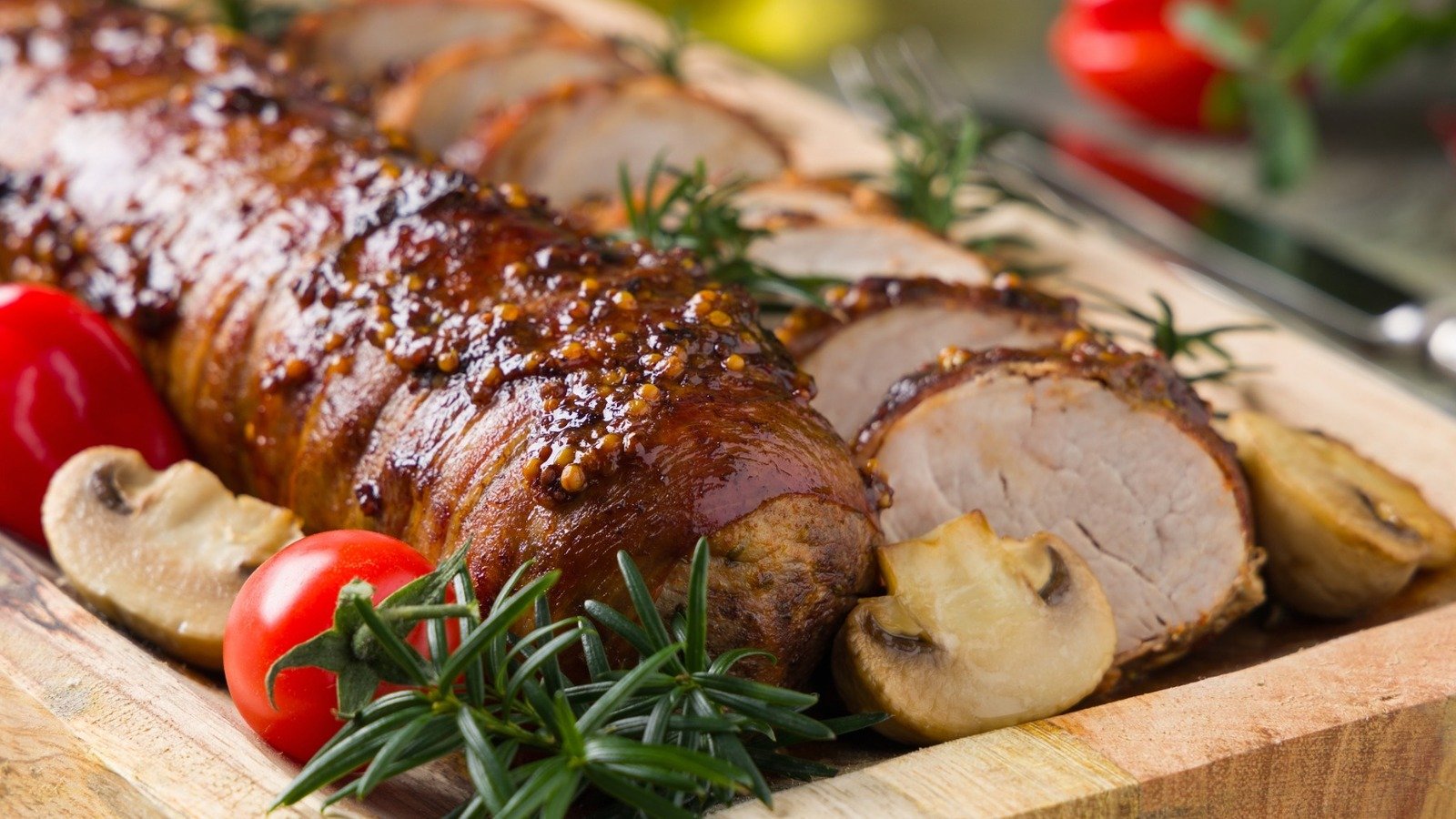
Pork and red meat are common sources of protein, iron, zinc, vitamin B12, and other important nutrients. But they can also differ considerably in their fat content, processing, preparation methods, and overall nutritional value. Understanding these differences can make it easier to include meat in a balanced diet without relying too heavily on high-fat or processed options.
One point often causes confusion: pork is classified as red meat. Although pork has traditionally been marketed or described as “the other white meat,” its muscle tissue is considered red meat from a nutritional and scientific classification standpoint.
The healthiest choice depends less on whether meat is pork or another type of red meat and more on the specific cut, portion size, processing, and cooking method.
Featured Snippet: Is Pork Considered Red Meat?
Yes. Pork is considered red meat, along with beef, lamb, and goat. The classification is based largely on the amount of myoglobin in muscle tissue, rather than simply the color of cooked meat. Pork can vary widely in fat content, so lean cuts such as pork tenderloin can be a different nutritional choice from processed products such as bacon or sausage.
What Counts as Red Meat?
Red meat generally refers to meat from mammals. Common examples include:
- Beef
- Pork
- Lamb
- Goat
- Veal
Poultry such as chicken and turkey is generally classified separately as white meat.
The distinction can be confusing because pork may look relatively light compared with beef. However, its biological classification remains red meat. The amount of myoglobin in the muscle contributes to the characteristic color of meat and helps explain why different cuts can appear lighter or darker.
Not every type of red meat has the same nutritional profile. A lean pork tenderloin, for example, can have a very different fat content from bacon or a fatty beef cut.
Pork vs. Other Red Meats
Pork and other red meats can all provide valuable nutrients, but their nutritional profiles vary depending on the animal, cut, serving size, and preparation.
| Food | Common nutrients | What to consider |
|---|---|---|
| Pork | Protein, iron, zinc, vitamin B12, thiamine | Choose lean cuts and limit processed varieties |
| Beef | Protein, iron, zinc, vitamin B12 | Some cuts are relatively high in saturated fat |
| Lamb | Protein, iron, zinc, vitamin B12 | Can be higher in fat depending on the cut |
| Goat | Protein, iron, zinc, vitamin B12 | Often naturally lean, depending on preparation |
These differences mean it is not particularly useful to label one category of red meat as automatically “healthy” or “unhealthy.” The individual food and how it is prepared matter.
Important Nutrients in Pork and Red Meat
One reason meat remains part of many diets is its concentration of several essential nutrients.
Protein
Pork, beef, lamb, and other meats provide complete protein, meaning they contain all nine essential amino acids. Protein supports muscle maintenance, tissue repair, and many other functions throughout the body.
Iron
Red meat is a useful source of iron. It contains heme iron, which is generally absorbed more efficiently by the body than the non-heme iron found in plant foods.
People who have higher iron requirements may pay particular attention to iron-rich foods, although individual nutritional needs vary.
Vitamin B12
Meat is naturally rich in vitamin B12, a nutrient involved in red blood cell formation and normal nervous-system function. Vitamin B12 is naturally concentrated in animal-derived foods.
Zinc
Pork and other red meats provide zinc, which supports immune function, wound healing, and normal growth and development.
Other Nutrients
Depending on the cut and preparation, pork and red meat can also contribute nutrients such as selenium, phosphorus, niacin, and other B vitamins.
Are Pork and Red Meat Healthy?
They can be part of a healthy, balanced eating pattern, particularly when choosing lean, minimally processed cuts and reasonable portions.
However, eating large amounts of red meat—especially processed meat—is not generally recommended as the foundation of a diet. Health outcomes depend on the overall eating pattern, not one food in isolation.
A diet that regularly includes vegetables, fruits, whole grains, legumes, nuts, seeds, and other nutrient-rich foods can provide a broader range of nutrients and dietary fiber than a diet centered heavily on meat.
For people who eat meat, the goal does not necessarily have to be eliminating it completely. A more practical approach can be choosing leaner cuts, varying protein sources, and limiting processed meat.
Lean Cuts Can Make a Big Difference
The cut of meat can substantially affect its nutritional profile.
For pork, commonly recognized lean choices include:
- Pork tenderloin
- Pork loin
- Certain trimmed loin chops
For beef, lean options can include cuts such as:
- Sirloin
- Tenderloin
- Eye of round
- Round steak
Removing visible fat and choosing trimmed cuts can also reduce the amount of fat in a meal.
When comparing products, look beyond the general label “pork” or “red meat.” Two products from the same animal can have very different amounts of fat depending on the cut and preparation.
Processed Meat Is Different From Fresh Meat
Fresh pork and beef are not the same as processed meats.
Processed meats include products that have been transformed through methods such as curing, smoking, salting, or the addition of preservatives. Examples include bacon, ham, sausages, hot dogs, and some deli meats.
Processed meat is generally best eaten less often than fresh, minimally processed meat. Many processed products are also high in sodium and may contain substantial amounts of saturated fat.
This distinction matters when evaluating the role of pork in a balanced diet. A grilled pork tenderloin and a large serving of bacon should not be treated as nutritionally equivalent simply because both come from pigs.
Healthier Ways to Prepare Pork and Red Meat
Preparation can make a meaningful difference to the overall quality of a meal.
Consider these approaches:
- Grill, bake, roast, broil, or sauté meat rather than deep-frying it.
- Trim visible fat before or after cooking.
- Keep portions moderate.
- Pair meat with vegetables, beans, whole grains, or other nutrient-rich foods.
- Use herbs, spices, garlic, citrus, and other flavorful ingredients instead of relying heavily on salty sauces.
- Avoid repeatedly cooking meat at extremely high temperatures or heavily charring it.
- Choose fresh cuts more often than processed meat.
A balanced plate might combine a modest serving of lean pork with roasted vegetables and a whole grain such as brown rice or barley.
How Much Red Meat Should You Eat?
There is no single amount that works perfectly for everyone. Dietary needs depend on factors such as age, activity level, overall diet, health status, and personal preferences.
Instead of focusing only on a specific weekly number, it can be helpful to consider variety. Rotate between different protein sources such as fish, poultry, beans, lentils, eggs, nuts, and lean meats.
If you regularly eat red meat, choosing lean cuts and keeping processed meat limited can help create a more balanced eating pattern.
Frequently Asked Questions
Is pork red meat or white meat?
Pork is classified as red meat. Its classification is based on characteristics of the muscle tissue rather than simply how light or dark the cooked meat appears.
Is pork healthier than beef?
Neither is automatically healthier in every situation. The nutritional value depends on the specific cut, fat content, portion, processing, and cooking method. Lean pork and lean beef can both fit into a balanced diet.
Is pork high in protein?
Yes. Pork provides high-quality protein and also supplies nutrients such as vitamin B12, zinc, iron, and several B vitamins.
Is bacon considered red meat?
Bacon comes from pork, so its source is red meat. However, bacon is also a processed meat, which makes it nutritionally different from fresh pork cuts such as tenderloin or loin.
What is the leanest pork to eat?
Pork tenderloin and certain trimmed pork loin cuts are among the leaner choices. Checking the nutrition label and trimming visible fat can help when selecting products.
Can you eat red meat as part of a healthy diet?
Yes. Lean, minimally processed red meat can fit into a balanced diet. It is generally better to vary protein sources and limit frequent consumption of processed meat.
Is pork a good source of iron?
Pork provides iron, including heme iron, although the amount varies by cut. Other red meats can also be significant sources of iron.
What should you eat with pork or red meat?
Vegetables, beans, lentils, whole grains, and other nutrient-rich foods can complement meat well. Pairing meat with these foods can create a more balanced meal and increase dietary variety.
Final Thoughts
Pork and red meat can provide valuable protein, iron, zinc, vitamin B12, and other nutrients, but the type and amount of meat matter. Pork is scientifically classified as red meat, despite its lighter appearance and its long-standing “white meat” reputation.
For a balanced approach, favor lean and minimally processed cuts, keep portions reasonable, use healthier cooking methods, and include plenty of plant foods and other protein sources throughout the week. This approach allows pork and other red meats to have a place in a varied diet without making them the center of every meal.
Learn About: Nika Food
