

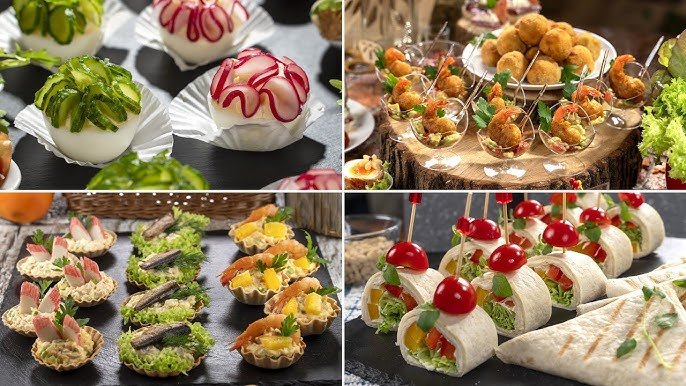
Food is experienced through taste and smell, but visual presentation strongly influences how people perceive it before taking the first bite. A beautifully arranged plate can make a simple meal look memorable, while poor presentation can make even delicious food appear unappealing. This is where food styling becomes important.
Food styling is more than placing ingredients on a plate. It involves selecting the right dishes, arranging ingredients carefully, controlling portions, creating natural textures, choosing suitable backgrounds, and working with lighting to produce an attractive final image. It is widely used in food photography, restaurants, advertising, publishing, packaging, recipe websites, and social media.
Whether you are a beginner photographing homemade meals or a professional creating commercial food images, understanding basic styling principles can significantly improve your results.
What Is Food Styling?
Food styling is the process of preparing, arranging, and presenting food to make it visually appealing for photography, video, advertising, publishing, menus, or digital content.
A food stylist may adjust the position of ingredients, control moisture and shine, select plates and utensils, add garnishes, and work with photographers to achieve the desired visual effect.
The goal is not simply to make food look complicated. Effective styling makes the food appear fresh, appetizing, recognizable, and appropriate for its intended audience.
Why Food Styling Matters
Strong food presentation can influence how people respond to a dish or food product.
1. Creates a Strong First Impression
People often decide whether something looks appealing within seconds. Attractive food photography can encourage viewers to explore a recipe, restaurant menu, product, or social media post.
2. Communicates Taste and Texture
Styling can visually suggest qualities such as:
- Crispness
- Creaminess
- Freshness
- Juiciness
- Crunch
- Softness
- Warmth
For example, visible crumbs around a freshly baked cookie can help communicate its texture and homemade character.
3. Strengthens Brand Identity
Restaurants, food companies, magazines, and content creators can use consistent styling to develop a recognizable visual identity.
4. Improves Food Photography
Good styling gives photographers a stronger starting point. Composition, color, texture, and arrangement all contribute to a more balanced photograph.
Essential Elements of Food Styling
Successful food styling usually combines several visual elements.
| Element | Purpose |
| Color | Creates contrast and visual interest |
| Texture | Makes food appear more realistic and appetizing |
| Composition | Guides the viewer’s attention |
| Lighting | Reveals shape, color, and texture |
| Props | Adds context and supports the story |
| Garnishes | Provides freshness and detail |
| Background | Establishes the visual atmosphere |
Color
Color contrast can make individual ingredients stand out. Green herbs, red berries, colorful vegetables, or golden baked goods can add visual variety.
However, too many competing colors can make an image look disorganized. Choose a palette that complements the food.
Texture
Texture gives food images depth. Rough bread crust, smooth sauces, crispy vegetables, melted cheese, and fresh herbs can all contribute to a more realistic appearance.
Composition
Composition refers to how the food and supporting objects are positioned within the frame.
Common approaches include:
- Centered compositions
- Rule-of-thirds arrangements
- Diagonal layouts
- Layered compositions
- Overhead flat lays
The best approach depends on the food and the story you want the image to communicate.
Popular Food Styling Techniques
Keep the Main Food as the Focus
The primary dish should receive the most visual attention. Supporting ingredients and props should enhance it rather than compete with it.
Use Garnishes Carefully
Fresh herbs, seeds, spices, fruit pieces, or sauces can add detail. Garnishes should make sense for the dish rather than being added simply for decoration.
Create Natural Imperfection
Food does not always look most appealing when everything is perfectly symmetrical. A few natural crumbs, uneven pieces, or a slightly imperfect arrangement can make an image feel more authentic.
Control Portions
Overfilled plates can look messy, while very small portions may make the food appear unsatisfying. Use portions that create enough space for the dish to remain visually clear.
Add Height and Layers
Flat food can sometimes appear visually dull. Layering ingredients or creating gentle height can add dimension and depth.
For example, a sandwich can be photographed at an angle that reveals its bread, filling, vegetables, and sauce rather than showing only its outer surface.
Food Styling Tools and Props
Professional food stylists may use specialized equipment, but beginners can accomplish a lot with simple tools.
Useful items include:
- Tweezers for positioning small ingredients
- Small brushes for applying sauces or oil
- Spoons for controlled placement
- Spray bottles for light moisture effects
- Kitchen towels for cleanup
- Small scissors for trimming herbs
- Plates and bowls in different shapes
- Cutlery and serving utensils
- Neutral backgrounds
- Small boards and trays
Props should support the food rather than distract from it. A wooden board may complement rustic bread, while a clean ceramic plate may work better for an elegant dessert.
How to Style Food for Photography
A simple workflow can make food styling easier.
Step 1: Understand the Purpose
Before preparing the food, determine where the final image will appear. A restaurant menu, cookbook, product advertisement, and Instagram post may require different visual approaches.
Step 2: Choose the Composition
Decide whether the photograph will be taken from overhead, at eye level, or from a three-quarter angle.
Step 3: Prepare the Food
Cook the food with its final appearance in mind. Some foods photograph better when they retain their structure, color, and texture.
Step 4: Select the Plate and Background
Choose surfaces that complement the dish. Neutral colors often allow the food to remain the visual focus.
Step 5: Arrange the Main Elements
Place the main food first. Then add supporting ingredients, sauces, garnishes, and props gradually.
Step 6: Check the Lighting
Natural window light can work well for beginners. Avoid harsh lighting that creates unwanted highlights or deep shadows unless that effect is intentional.
Step 7: Make Small Adjustments
Look through the camera and inspect the frame. Move ingredients, clean the plate, adjust props, or change the angle until the composition feels balanced.
Common Food Styling Mistakes
Even attractive ingredients can produce weak photographs when styling decisions are poorly controlled.
Too Many Props
Excessive plates, utensils, napkins, ingredients, and decorations can distract from the main dish.
Unnatural Garnishes
Adding ingredients that do not belong to the recipe can make a photograph look artificial and misleading.
Poor Lighting
Strong direct light can produce distracting shadows and highlights. Very dim lighting can remove important details.
Messy Plate Edges
Small spills and unwanted marks around the plate can make an otherwise professional photograph appear unfinished.
Ignoring the Background
The background affects the overall mood and color balance. A distracting surface can take attention away from the food.
Tips for Better Food Presentation
To improve your food styling skills:
- Study professional food photography to understand composition and lighting.
- Practice with everyday meals rather than waiting for special recipes.
- Use fewer props and add them only when they contribute to the story.
- Experiment with camera angles because different foods work better from different perspectives.
- Pay attention to texture because it adds depth and realism.
- Keep the food recognizable and avoid excessive manipulation.
- Review your photographs to identify distracting elements and composition problems.
- Develop a consistent visual style if you create food content regularly.
Food Styling for Different Types of Content
Social Media
Social media food photography often benefits from strong colors, clear compositions, and visually interesting details. Images should communicate the dish quickly because users frequently scroll through content at a fast pace.
Restaurant Menus
Menu photography should accurately represent the food being served. Styling should focus on making the dish look appealing while maintaining realistic expectations.
Cookbooks and Recipe Websites
Recipe photography often needs to show the finished dish clearly. Step-by-step images may also require consistent styling so readers can understand the preparation process.
Food Advertising
Commercial food styling may involve detailed planning around branding, packaging, colors, and campaign concepts. The final image needs to communicate the intended product message clearly.
Key Takeaways
- Food styling combines food preparation, arrangement, composition, lighting, and visual presentation.
- The main dish should remain the central focus.
- Color, texture, and contrast can make food appear more appealing.
- Props should support the food rather than overpower it.
- Good lighting is essential for showing texture and detail.
- A natural-looking presentation often creates a more believable image.
- Different platforms and audiences may require different styling approaches.
- Regular practice is one of the best ways to improve food styling skills.
Frequently Asked Questions
What is food styling?
Food styling is the art of arranging food to make it look attractive for photos, videos, menus, and digital content.
What does a food stylist do?
A food stylist prepares, arranges, and enhances food for photography and visual content.
What are the most important food styling techniques?
Key techniques include good composition, lighting, color balance, texture, portions, and garnishing.
Can beginners learn food styling?
Yes. Beginners can learn through regular practice with simple food, natural light, and basic props.
What tools are useful for food styling?
Useful tools include tweezers, brushes, spoons, scissors, plates, bowls, and simple backgrounds.
How can I make food look better in photographs?
Use good lighting, clean composition, appealing colors, realistic portions, and a simple background.
Conclusion
Food styling transforms food presentation into a visual experience. It brings together composition, color, texture, lighting, props, and careful arrangement to help food look fresh and appealing. While professional productions may involve experienced stylists and specialized equipment, the fundamental principles are accessible to anyone.
The key is to keep the food at the center of the image, make intentional styling choices, and avoid unnecessary decoration. With consistent practice and attention to detail, even simple homemade dishes can become engaging subjects for photography and digital content.
Learn About: Food Ideas
