

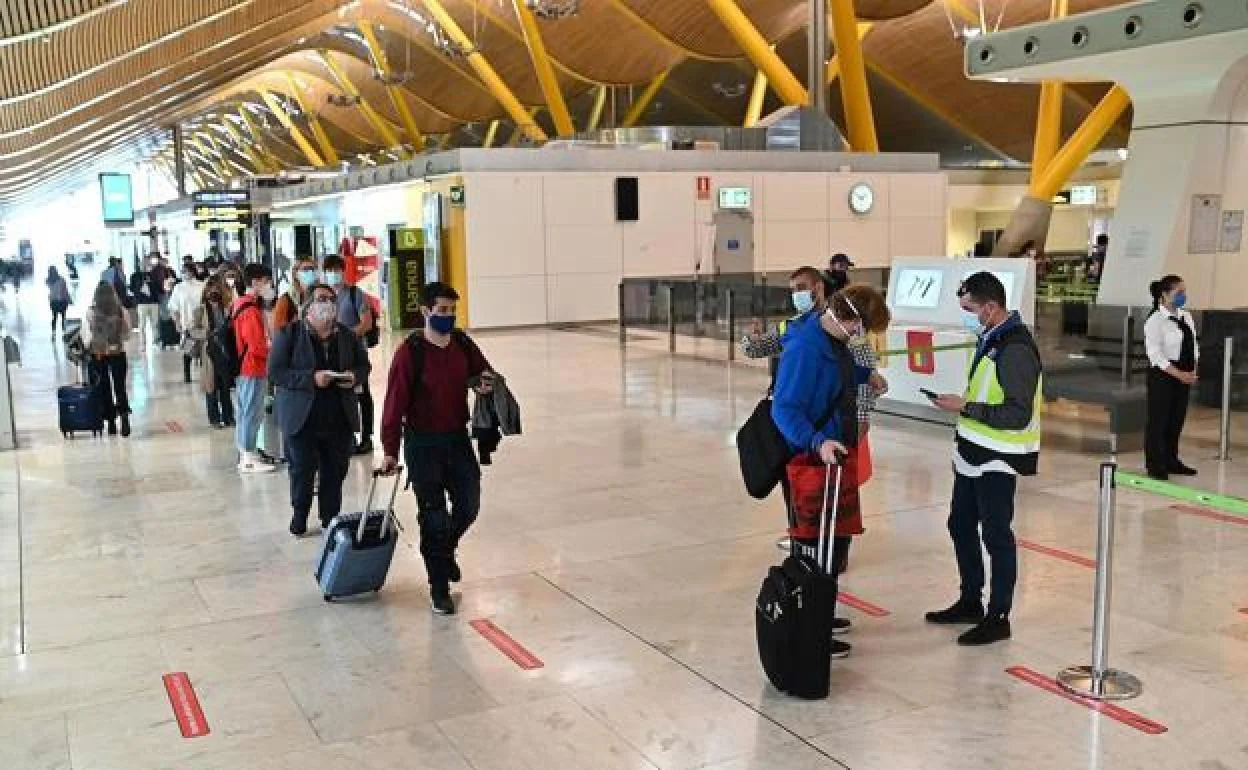
Spain travel health generally focuses on routine vaccinations, food and water safety, protection from the sun and heat, travel insurance, and making sure you have enough prescription medicines for your trip. Travelers should also check current health advice for their specific destination and personal circumstances before departure.
What Should You Know About Health Before Traveling to Spain?
Spain is a popular destination for city breaks, beach holidays, road trips, and longer European vacations. Good preparation can help travelers avoid common health problems and deal with unexpected situations more easily.
Before traveling, check that your routine vaccinations are up to date and consider whether any additional vaccinations or precautions are appropriate for your personal situation. Your destination, planned activities, length of stay, and existing health needs can all affect the advice that applies to you.
It is also worth preparing a small travel health kit, reviewing your prescription medicines, and arranging suitable travel insurance before leaving home.
Vaccinations and Routine Health Checks
For many travelers, the first step is making sure routine vaccinations are current. Depending on your circumstances and the latest official guidance, healthcare professionals may discuss vaccines that protect against illnesses such as measles, tetanus, diphtheria, and influenza.
The right recommendations can differ between travelers. Someone spending a short time in major cities may have different considerations from someone planning outdoor activities or visiting several regions.
If you have a medical condition, are pregnant, are traveling with young children, or take regular medication, speak with a qualified healthcare professional before your trip.
It is also useful to check official travel health advice close to your departure date because recommendations can change.
Medicines and Travel Health Essentials
If you take prescription medication, make sure you have enough for the entire trip. Keeping medicines in their original packaging can make it easier to identify them if questions arise during travel.
A basic travel health kit may include items such as:
- Any regular prescription medicines
- Basic pain relief
- Plasters and simple first-aid supplies
- Hand sanitizer
- Sunscreen
- Insect repellent
- Oral rehydration products
- Any personal health items you regularly use
Do not assume that every medicine available in your home country can be brought into Spain under exactly the same rules. If you use controlled or specially regulated medicines, check the relevant requirements before traveling.
Food and Water Safety in Spain
Food is an important part of visiting Spain, from tapas and seafood to regional specialties and fresh produce. Most travelers can enjoy local food normally, but sensible food hygiene is still worthwhile.
Choose food from clean and reputable establishments, particularly if something looks poorly stored or has been left at an unsafe temperature.
If you have food allergies or dietary restrictions, learn the Spanish terms for the ingredients you need to avoid. When ordering at restaurants, clearly explain your requirements rather than relying on assumptions.
Staying hydrated is equally important, particularly during hot weather. Tap water is generally available in Spain, but travelers who are unsure about local water or have specific medical needs can check local guidance or ask their accommodation.
Protecting Yourself From Sun and Heat
Sun exposure and hot weather can become significant health concerns during summer, especially for travelers spending long periods outdoors.
Cities such as Madrid, Seville, Valencia, and Barcelona can experience very warm conditions during the summer months. Beach destinations can also expose visitors to strong sunlight for several hours.
Useful precautions include:
- Apply broad-spectrum sunscreen and reapply it as directed.
- Wear lightweight clothing and consider a hat.
- Drink water regularly.
- Take breaks from direct sunlight.
- Avoid excessive physical activity during the hottest part of the day.
- Pay particular attention to children and older travelers.
Symptoms such as dizziness, severe weakness, confusion, or unusually high body temperature can indicate a serious heat-related problem. Seek medical assistance if symptoms are severe or do not improve.
Staying Healthy While Exploring Spain
Travel often means walking more than usual. Exploring historic neighborhoods, museums, beaches, parks, and attractions can quickly add up to many hours on your feet.
Comfortable footwear can help prevent blisters and foot injuries. If you are planning hiking, cycling, water activities, or other physically demanding experiences, prepare according to the activity rather than assuming normal sightseeing precautions will be enough.
Sleep is another easy part of travel health to overlook. Long flights, changing schedules, late dinners, and busy itineraries can leave travelers exhausted. Building some downtime into your trip can make it easier to enjoy the destination without overdoing it.
Hand hygiene is also useful, especially before eating and after using public transportation or visiting crowded attractions.
Travel Insurance and Healthcare
Travel insurance can provide financial protection if you need medical treatment, emergency assistance, or other covered services during your trip. Before purchasing a policy, read the terms carefully and check what is actually covered.
Travelers should pay particular attention to:
- Emergency medical treatment
- Hospital care
- Medical evacuation, where applicable
- Existing medical conditions
- Trip interruption or cancellation
- Activities that may be considered higher risk
Do not assume that having a European health card or another form of healthcare coverage means every medical expense will automatically be covered.
Keep important insurance information accessible while traveling. A digital copy can be useful, but having key details available offline is also sensible.
What to Do If You Become Sick
If you develop a minor illness during your trip, rest, stay hydrated, and seek appropriate medical advice if necessary.
For more serious symptoms, do not delay professional medical care. Spain has public and private healthcare services, and pharmacies are also widely available for many everyday health needs.
If you have an emergency, use Spain’s emergency services. Knowing how to communicate your location and basic symptoms can make it easier to receive assistance.
Travelers with ongoing medical needs should carry relevant medical information, including medication details and important contact information.
Spain Travel Health Checklist
A simple checklist can make preparation easier:
| Before Your Trip | While in Spain |
| Check routine vaccinations | Stay hydrated |
| Review travel health advice | Use sun protection |
| Prepare prescription medicines | Practice good hand hygiene |
| Check medication requirements | Eat and drink sensibly |
| Arrange suitable travel insurance | Take breaks when needed |
| Prepare basic health supplies | Seek care for serious symptoms |
The exact preparation you need depends on your health, itinerary, activities, and time of year.
Frequently Asked Questions
Do I need vaccinations to travel to Spain?
Vaccination requirements depend on your circumstances, country of departure, and current entry rules. Make sure routine vaccinations are up to date and check current official guidance before traveling.
Is tap water safe to drink in Spain?
Tap water is generally available for drinking in Spain. However, local conditions can vary, and travelers with specific health concerns should check local advice.
Should I take prescription medicine with me?
Yes. If you regularly use prescription medication, take an adequate supply for your trip and keep it appropriately labeled. Check the rules for bringing any medicines that may be specially regulated.
How can I avoid heat-related illness in Spain?
Stay hydrated, use sunscreen, wear suitable clothing, take regular breaks, and avoid prolonged exposure to intense midday heat when possible.
Is travel insurance necessary for Spain?
Travel insurance can help cover certain medical and travel-related costs that may not otherwise be covered. Review the policy carefully before purchasing it.
What should I pack in a travel health kit?
Consider packing regular medicines, basic first-aid supplies, sunscreen, hand sanitizer, insect repellent, and other personal health essentials.
What should I do if I become seriously ill in Spain?
Seek professional medical assistance promptly. For an emergency, contact Spain’s emergency services rather than waiting for symptoms to improve.
Should I check health advice before leaving?
Yes. Travel health recommendations and entry requirements can change. Check current official guidance shortly before departure and consider professional medical advice if you have specific health concerns.
Conclusion
Good Spain travel health preparation does not need to be complicated. Checking routine vaccinations, organizing medicines, protecting yourself from sun and heat, practicing sensible food hygiene, and arranging appropriate travel insurance can help you prepare for common situations.
Most importantly, tailor your preparation to your own health needs and itinerary. Check current official guidance before departure, and seek professional medical advice when you have specific concerns. With sensible planning, you can focus more of your trip on experiencing Spain and less on unexpected health problems.
Read More About: Celebrity Kreuzfahrten
