

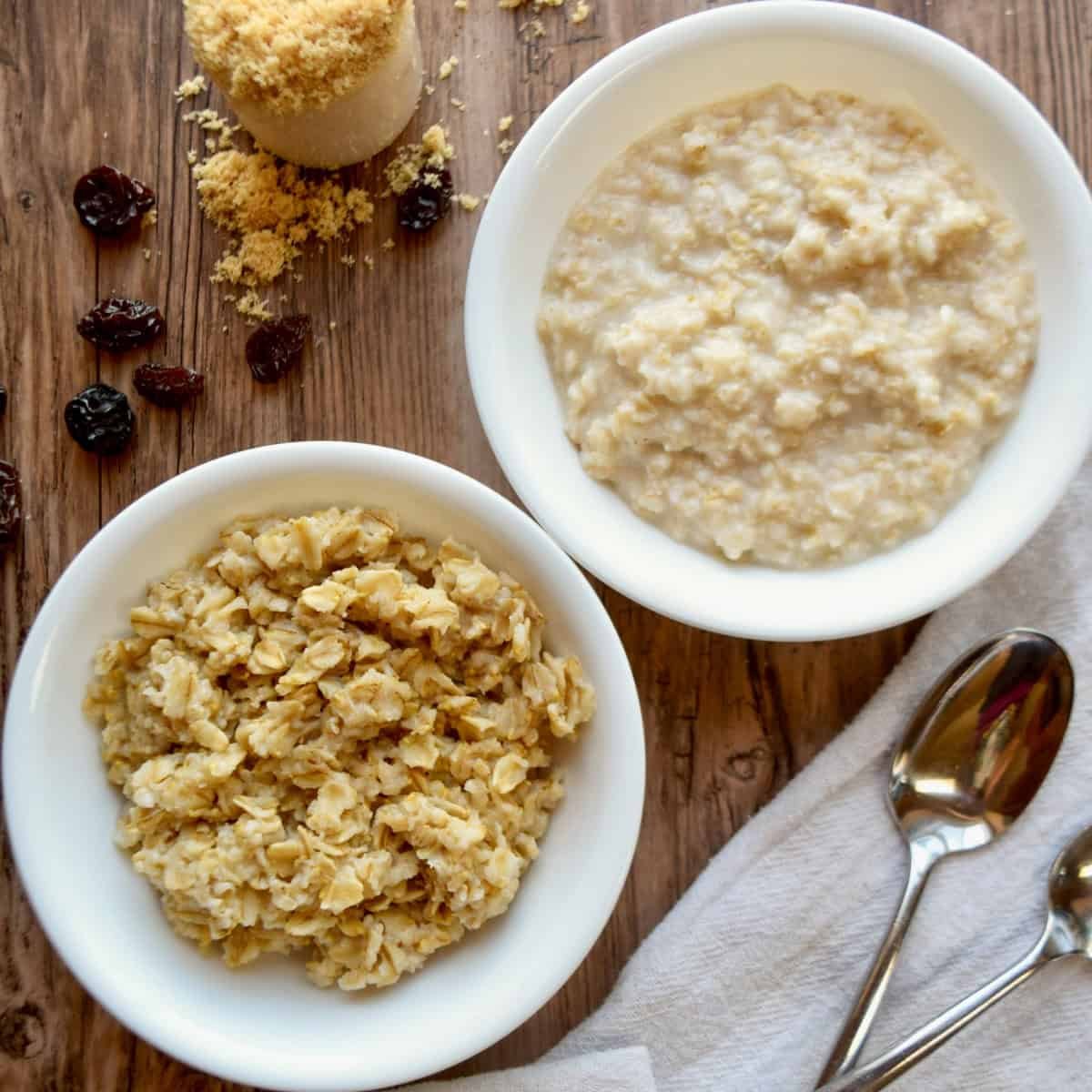
Rolled Oats vs Old Fashioned Oats is a common comparison among health-conscious consumers who want to choose the best oats for breakfast and meal preparation. Although the terms are often used interchangeably, many people wonder whether there are any differences in texture, cooking time, nutritional value, and uses in recipes. Understanding the similarities and distinctions between rolled oats and old-fashioned oats can help you make the right choice for your dietary needs and cooking preferences.
What Are Rolled Oats?
Rolled oats begin as whole oat groats. They’re steamed to soften them and then pressed flat using large rollers. This process helps them cook faster while keeping much of their natural texture and nutrition intact.
They’re one of the most versatile oat varieties you’ll find. Whether you’re making oatmeal, baking cookies, blending smoothies, or preparing overnight oats, rolled oats usually do the job beautifully.
Their texture is soft without becoming mushy, which is exactly why so many people keep them in the pantry year-round.
What Are Old Fashioned Oats?
Here’s the part that surprises many people.
Old fashioned oats are… rolled oats.
Yes, really.
The term “old fashioned” is simply a marketing label that many brands use for traditional rolled oats. They go through the same steaming and flattening process and have nearly identical cooking times, texture, and nutritional value.
That’s why comparing rolled oats vs old fashioned oats often leads to the simplest answer possible—they’re generally the same product with different packaging.
Why Do the Names Seem Different?
Food packaging can make things more confusing than they need to be.
Some manufacturers prefer calling them rolled oats because it describes how they’re processed. Others use old fashioned oats because it sounds traditional and reminds shoppers of homemade breakfasts.
Neither label means the oats are healthier or higher quality.
Still, it’s always worth reading the package. Some specialty brands may produce slightly thicker or thinner flakes, which can affect cooking time just a bit.
Nutritional Comparison
If you’re choosing based on health, there’s really no need to stress.
| Nutrient | Rolled Oats | Old Fashioned Oats |
| Fiber | High | High |
| Protein | About the same | About the same |
| Vitamins & Minerals | Similar | Similar |
| Calories | Nearly identical | Nearly identical |
| Whole Grain | Yes | Yes |
Both provide complex carbohydrates, plant-based protein, and soluble fiber that can help you stay full longer.
If I’m making breakfast before work, I don’t even think about the label anymore. I simply buy whichever bag happens to be on sale.
Texture and Cooking Time
This is where people often expect a difference—but there usually isn’t one.
Cooking Time
Most rolled or old fashioned oats cook in about 5 to 10 minutes on the stovetop.
If you’re preparing overnight oats, they’ll soften perfectly after spending the night in the refrigerator.
Texture
Expect a hearty, chewy bowl rather than a smooth porridge.
They’re softer than steel-cut oats but hold their shape better than instant oats.
Best Uses in Everyday Cooking
One reason these oats remain popular is their flexibility.
Breakfast Oatmeal
A warm bowl with cinnamon, berries, or peanut butter never gets old.
Overnight Oats
Just mix oats with milk or yogurt before bed, and breakfast is practically ready when you wake up.
Baking
Cookies, muffins, granola bars, and even homemade bread all benefit from their texture.
Smoothies
A small handful blends easily and makes drinks more filling without changing the flavor too much.
Rolled Oats vs Steel-Cut Oats
People sometimes confuse these varieties.
Here’s a quick comparison.
| Feature | Rolled Oats | Steel-Cut Oats |
| Processing | Steamed and rolled | Chopped into pieces |
| Cooking Time | 5–10 minutes | 20–30 minutes |
| Texture | Soft and chewy | Firm and nutty |
| Best For | Everyday meals and baking | Hearty breakfast bowls |
Steel-cut oats have a completely different texture and require more cooking time.
Which One Should You Buy?
Honestly, don’t overthink it.
If the package says rolled oats, you’re getting what most recipes call for.
If it says old fashioned oats, that’s usually the very same product.
When comparing rolled oats vs old fashioned oats, the deciding factor is rarely the name. Price, brand preference, or organic certification will probably matter more than the wording on the bag.
Simple Storage Tips
Oats last a surprisingly long time if they’re stored properly.
- Keep them in an airtight container.
- Store them in a cool, dry cupboard.
- Avoid moisture to prevent spoilage.
- Use within the recommended date for the freshest flavor.
I like transferring mine into a glass jar because it’s easier to scoop from—and honestly, it looks nicer on the shelf too.
Final Thoughts
Breakfast doesn’t need to be complicated, and neither does buying oats.
Despite the different labels, rolled oats vs old fashioned oats isn’t really a battle. For most brands, they’re simply two names for the same wholesome grain. They cook the same way, deliver the same nutrition, and work equally well in countless recipes.
So the next time you’re standing in that grocery aisle wondering which bag belongs in your cart, you can relax. Pick the one that fits your budget, head home, and enjoy a bowl of oats without second-guessing your choice.
FAQs
Are rolled oats and old fashioned oats exactly the same?
In most cases, yes. Old fashioned oats are simply another name for traditional rolled oats.
Can I use old fashioned oats instead of rolled oats in recipes?
Absolutely. They’re generally interchangeable in baking, oatmeal, overnight oats, and granola recipes.
Which oats are better for weight management?
Both contain fiber that helps you stay satisfied. Neither has a meaningful advantage over the other when portion sizes are the same.
Are instant oats healthier than rolled oats?
Instant oats still provide nutrients, but they cook much faster because they’re processed more. Many flavored versions also contain added sugar.
Can I eat rolled oats without cooking them?
Yes. They’re commonly used in overnight oats, yogurt bowls, and smoothies after soaking in liquid.
Read More Informative Blogs: crawlthestory.com
