

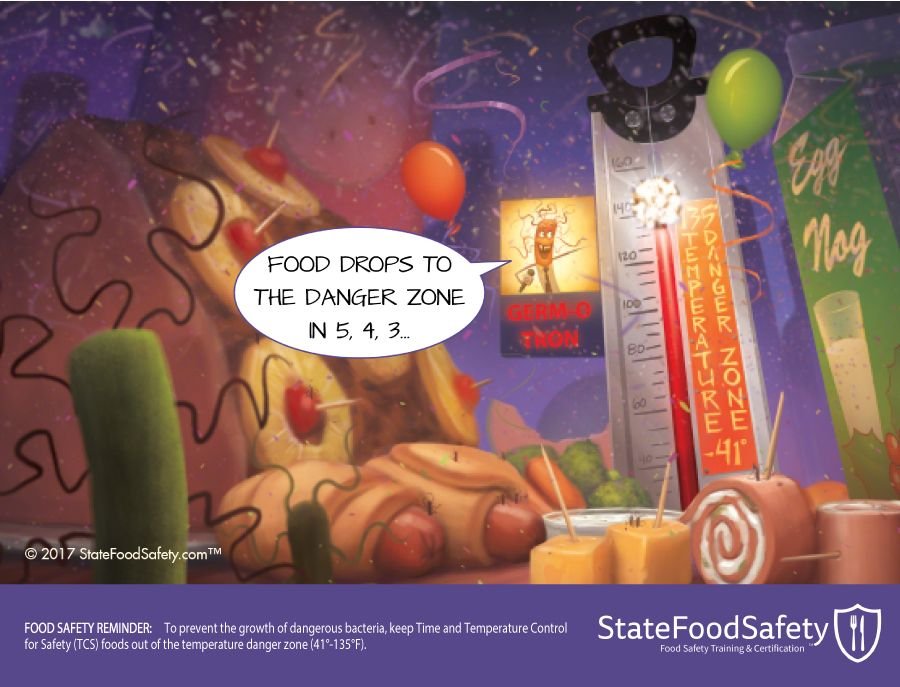
Food safety often comes down to something as simple as temperature. A meal can look, smell, and taste perfectly normal while still becoming unsafe if it spends too much time at an unsafe temperature. This is why understanding the food temperature danger zone matters at home, in restaurants, and anywhere food is prepared or served.
Bacteria such as Salmonella, E. coli, and Staphylococcus aureus can multiply rapidly when perishable foods are kept at temperatures that encourage bacterial growth. Knowing the right temperatures for cooking, cooling, storing, and reheating food can help lower the risk of foodborne illness.
This guide explains the danger zone, how long food can safely remain there, the temperatures you should remember, and practical ways to keep food safe.
What Is the Food Temperature Danger Zone?
The food temperature danger zone is the temperature range where bacteria can grow rapidly in perishable foods. In the United States, food safety guidance commonly identifies this range as 40°F to 140°F (4°C to 60°C).
When food sits within this range, bacteria can multiply quickly, especially when moisture and nutrients are available. Foods containing meat, poultry, seafood, eggs, dairy, or cooked grains can become particularly vulnerable.
The danger zone doesn’t mean food instantly becomes unsafe when it reaches 40°F or 140°F. Instead, the longer perishable food stays in this range, the greater the opportunity for harmful bacteria to grow.
That’s why temperature control is an important part of food safety from preparation through storage.
Why Is the Danger Zone Important?
Bacteria are naturally present in the environment, including on raw foods, kitchen surfaces, and hands. Most bacteria aren’t necessarily harmful, but certain types can cause foodborne illness.
Temperature affects how quickly microorganisms reproduce. In the danger zone, conditions can become favorable for rapid bacterial growth.
This is especially important with foods that are:
- High in moisture
- Rich in protein
- Cooked and ready to eat
- Kept for long periods
- Improperly refrigerated
- Prepared in large quantities
You shouldn’t rely only on smell or appearance to decide whether food is safe. Harmful bacteria may be present without producing an obvious change in the food.
How Long Can Food Stay in the Danger Zone?
One of the most useful food safety rules is the two-hour rule.
Perishable foods should generally not be left at room temperature for more than 2 hours. If the surrounding temperature is above 90°F (32°C), the recommended limit drops to 1 hour.
For example, if you serve chicken at a family gathering and it remains on the table for three hours at normal room temperature, it may no longer be considered safe simply because it still looks and smells fine.
The same principle applies to leftovers, prepared dishes, dairy products, seafood, and other perishable foods.
What If You’re Not Sure How Long Food Was Out?
When you’re uncertain about how long a perishable food has been sitting in the danger zone, it’s safer to avoid eating it rather than trying to judge its safety by appearance.
Food safety isn’t a good place to take chances.
Safe Food Temperatures to Remember
Temperature control involves more than knowing the danger zone. You also need to know the temperatures for cooking, holding, refrigerating, and reheating food.
| Food Safety Stage | Recommended Temperature |
| Cold food storage | 40°F (4°C) or below |
| Hot food holding | 140°F (60°C) or above |
| Food danger zone | 40°F–140°F (4°C–60°C) |
| Refrigerator | 40°F (4°C) or below |
| Freezer | 0°F (-18°C) or below |
Cooking temperatures vary depending on the type of food. For example, poultry requires a higher minimum internal temperature than some whole cuts of beef or pork.
A food thermometer is much more reliable than judging doneness by color.
Cooking Food Safely
Cooking food to the appropriate internal temperature is one of the most effective ways to destroy many harmful microorganisms.
Always measure the temperature in the thickest part of the food and avoid touching bones when taking a reading because this can affect the result.
Some important minimum internal temperatures include:
- Poultry: 165°F (74°C)
- Ground meats: 160°F (71°C)
- Whole cuts of beef, pork, veal, and lamb: 145°F (63°C), followed by a rest period
- Egg dishes: 160°F (71°C)
- Leftovers and casseroles: 165°F (74°C)
Exact requirements can vary by food type and local food safety regulations, so follow reliable food safety guidance for the specific food you’re preparing.
Cooling and Storing Leftovers
Cooling food properly is just as important as cooking it properly.
A common mistake is putting a large pot of hot soup or stew directly into the refrigerator in one deep container. The center can remain warm for a long time, allowing the food to spend too much time in the danger zone.
Instead, divide large quantities into smaller, shallow containers so they cool more quickly.
When storing leftovers:
- Refrigerate perishable food promptly.
- Use shallow containers for large quantities.
- Keep your refrigerator at 40°F (4°C) or below.
- Don’t overload the refrigerator because cold air needs room to circulate.
- Label leftovers so you know how long they’ve been stored.
If you enjoy exploring different foods and recipes, learning about ingredients and traditional dishes can also make food preparation more interesting. For example, you can explore this guide to suspiro a la limeña while keeping food safety principles in mind when preparing or storing desserts.
Foods Most at Risk in the Danger Zone
Not every food carries the same level of risk. Perishable foods are generally more concerning because they provide conditions that can support bacterial growth.
Meat and Poultry
Raw and cooked meat and poultry should be handled carefully. Keep raw products refrigerated until you’re ready to cook them, and prevent their juices from contaminating ready-to-eat foods.
Seafood
Fish and shellfish are highly perishable. Keep them cold before cooking and refrigerate leftovers promptly.
Dairy and Eggs
Milk, cream, soft cheeses, egg dishes, and other refrigerated products shouldn’t be left at room temperature for extended periods.
Cooked Rice and Other Prepared Foods
Cooked rice, pasta, potatoes, casseroles, and similar foods can become unsafe when improperly cooled or stored. Keeping them refrigerated promptly helps reduce the risk.
How to Keep Food Out of the Danger Zone
Keeping food safe doesn’t require complicated equipment. A few simple habits can make a significant difference.
1. Use a Food Thermometer
A thermometer gives you an objective temperature reading. This is especially helpful when cooking meat, checking leftovers, or monitoring food during gatherings.
2. Keep Cold Foods Cold
Use a properly operating refrigerator and avoid leaving refrigerated foods on counters longer than necessary.
For parties and outdoor meals, insulated coolers with sufficient ice or cold packs can help maintain safe temperatures.
3. Keep Hot Foods Hot
If you’re serving food for an extended period, use appropriate warming equipment to maintain a safe hot-holding temperature rather than leaving dishes on the counter.
4. Refrigerate Leftovers Promptly
Don’t wait until food has completely cooled to room temperature before refrigerating it. Large amounts should be divided into smaller containers for faster cooling.
5. Prevent Cross-Contamination
Temperature control works best alongside good hygiene. Wash your hands, clean preparation surfaces, and keep raw meat away from ready-to-eat foods.
Common Food Temperature Mistakes
Even careful home cooks can make mistakes. Some of the most common include:
Leaving food out overnight:
Food that has remained at room temperature overnight should generally be discarded.
Using appearance to judge safety:
Food can contain harmful bacteria without looking spoiled.
Putting a huge hot container in the refrigerator:
Large containers cool slowly. Smaller portions are safer and more practical.
Setting the refrigerator too warm:
A refrigerator thermometer can help verify that the appliance is actually maintaining a safe temperature.
Reheating food unevenly:
Microwaves can create hot and cold spots. Stir food when appropriate and check its temperature before serving.
For anyone interested in food-related topics beyond safety, ingredient guides can also be useful. For example, pravi celer provides another example of how understanding individual ingredients can complement better food preparation habits.
A Simple Food Safety Routine
You don’t need to memorize every food safety rule. Focus on a few habits:
Keep it cold. Keep it hot. Cook it thoroughly. Refrigerate it promptly. When in doubt, throw it out.
Before eating leftovers, consider how they were handled after cooking. If food was left out for too long, repeatedly warmed and cooled, or stored under uncertain conditions, replacing it is usually the safer choice.
Key Takeaways
- The food temperature danger zone is generally 40°F–140°F (4°C–60°C).
- Bacteria can multiply rapidly within this temperature range.
- Perishable food shouldn’t normally remain at room temperature for more than 2 hours.
- When temperatures exceed 90°F (32°C), the limit is generally 1 hour.
- Keep refrigerated food at 40°F (4°C) or below.
- Keep hot food at 140°F (60°C) or above when holding it for service.
- Use a food thermometer instead of relying on appearance.
- Refrigerate leftovers promptly and divide large quantities into shallow containers.
- When you’re unsure whether food was safely handled, it’s better to discard it.
FAQs
What is the food temperature danger zone?
The food temperature danger zone is generally 40°F to 140°F (4°C to 60°C). Bacteria can grow rapidly when perishable foods remain within this range.
How long can food stay in the danger zone?
The general guideline is no more than 2 hours at room temperature. If the temperature is above 90°F (32°C), the limit is reduced to 1 hour.
Is 50°F safe for food?
50°F (10°C) falls within the danger zone. Perishable food shouldn’t be intentionally stored at this temperature because bacterial growth can occur.
Is 140°F safe for hot food?
Yes. 140°F (60°C) or above is commonly used as the minimum hot-holding temperature for prepared foods. However, cooking temperatures are different and depend on the food.
Can food be safe if it smells normal?
Not necessarily. Harmful bacteria don’t always cause noticeable changes in smell, taste, or appearance. Time and temperature are much better indicators of food safety.
What temperature should a refrigerator be?
A refrigerator should generally be maintained at 40°F (4°C) or below. Using a refrigerator thermometer can help confirm that it is operating at the right temperature.
Conclusion
Understanding the food temperature danger zone is one of the simplest ways to improve food safety at home. The key is to limit the amount of time perishable foods spend between 40°F and 140°F, while keeping cold foods properly chilled and hot foods safely heated.
A reliable food thermometer, prompt refrigeration, proper cooking, and good kitchen hygiene can prevent many avoidable food safety problems. These habits don’t take much effort, but they can make a real difference when preparing meals for yourself, your family, or guests.
