

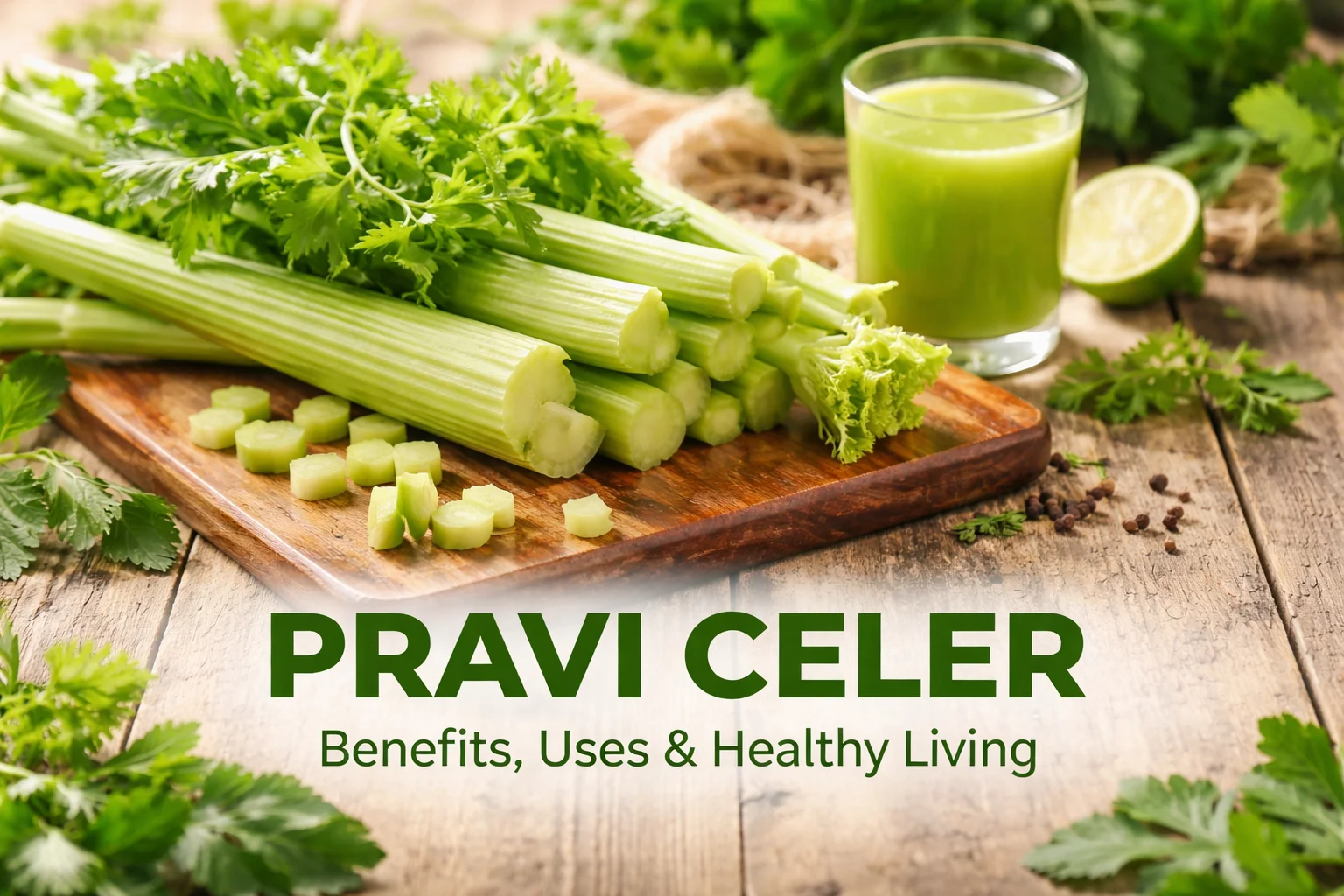
If you have come across the term pravi celer, you may wonder whether it is a special type of celery or simply another name for the familiar vegetable found in kitchens and markets. In most botanical and culinary contexts, pravi celer means true or garden celery and refers to Apium graveolens.
Celery is much more versatile than its reputation as a crunchy salad ingredient suggests. Different cultivated forms are grown for their stalks, leaves, seeds, or edible root. It can be eaten raw, cooked into soups and stews, blended into drinks, or used to create a flavourful base for sauces and stocks.
This guide explains what pravi celer means, how it differs from related celery forms, its nutritional qualities, common kitchen uses, growing requirements, storage methods, and important safety considerations.
What Is Pravi Celer?
Pravi celer is a South Slavic term commonly translated as “true celery” or “garden celery.” The plant belongs to the Apiaceae family, the same botanical family that includes carrots, parsley, fennel, and parsnips.
Its scientific name is Apium graveolens. Botanical records list “pravi celer” among Croatian common names associated with this species.
Celery is a biennial plant, meaning its natural life cycle takes two growing seasons. In cultivation, however, it is usually harvested during its first year.
Depending on the cultivar, people may grow celery primarily for:
- Crisp leaf stalks
- Aromatic leaves
- Celery seeds
- The enlarged edible root, known as celeriac
The exact meaning of pravi celer can therefore vary slightly according to regional culinary or botanical usage.
Types of Celery
Although the different forms belong to the same species, growers have selected them for different edible parts.
Stalk Celery
This is the type most people recognize from grocery stores. It produces long, crisp stalks that can be eaten raw or cooked.
It works well in:
- Salads
- Soups
- Stir-fries
- Stews
- Sandwiches
- Vegetable snacks
- Stocks and sauces
Leaf Celery
Leaf celery is grown mainly for its strongly aromatic leaves and thinner stalks. The leaves can be chopped like an herb and added to dishes near the end of cooking.
Celeriac
Celeriac is a form of Apium graveolens cultivated for its enlarged underground stem or root. It has a rough appearance but a distinctive celery-like flavour.
It can be roasted, boiled, mashed, grated, or added to soups.
Nutritional Value of Pravi Celer
Celery is particularly useful for people who want to add vegetables to meals without significantly increasing calorie intake.
It contains a high proportion of water and provides several vitamins, minerals, and plant compounds.
| Nutrient or characteristic | Why it matters |
| Water | Helps contribute to overall fluid intake |
| Dietary fibre | Supports normal digestive function |
| Vitamin K | Important for normal blood clotting and bone health |
| Folate | Supports normal cell division |
| Potassium | Important for normal muscle and nerve function |
| Plant compounds | Contribute to the vegetable’s natural antioxidant profile |
The nutritional composition varies according to the variety and the part of the plant being eaten. Fresh stalk celery, leaves, seeds, and celeriac shouldn’t be treated as nutritionally identical foods.
Potential Health Benefits
Pravi celer can be a useful part of a balanced diet, but it is important not to confuse nutritional benefits with medical treatment.
1. It Is Naturally Low in Calories
Celery contains plenty of water and relatively few calories, making it an easy ingredient for salads, snacks, and vegetable-based meals.
For someone trying to build meals around vegetables, celery can add crunch and volume without contributing a large amount of energy.
2. It Provides Dietary Fibre
Whole celery contains dietary fibre. Keeping the vegetable in its whole form rather than relying exclusively on juice helps preserve that fibre.
Fibre is an important part of a balanced diet and contributes to normal digestive health.
3. It Supplies Vitamin K
Celery contributes vitamin K, a nutrient involved in normal blood clotting and bone metabolism.
People taking vitamin-K-sensitive anticoagulant medication should keep their intake consistent and discuss significant dietary changes with their healthcare professional rather than making abrupt changes.
4. It Adds Plant Compounds to the Diet
Celery contains naturally occurring plant compounds, including flavonoids and other phenolic substances. Researchers continue to study these compounds, but food-based evidence should not be exaggerated into claims that celery cures diseases or “detoxes” the body.
The best approach is to include celery alongside a varied diet containing many different vegetables, fruits, legumes, whole grains, and other nutrient-rich foods.
How to Use Pravi Celer in Cooking
One of the biggest advantages of celery is its flexibility.
Eat It Raw
Fresh stalks can be washed, trimmed, and eaten raw. Their crisp texture makes them suitable for:
- Salads
- Vegetable platters
- Hummus or other dips
- Sandwiches
- Chopped vegetable bowls
The leaves can also add a stronger celery flavour.
Add It to Soups and Stews
Chopped celery is a classic ingredient in many soup and stew recipes. Cooking softens its texture while releasing its aroma.
For a simple vegetable soup, combine celery with onions, carrots, potatoes, herbs, and a suitable stock.
Use It in Stocks and Sauces
Celery can contribute a savoury, aromatic background to stocks and sauces. Its flavour becomes less sharp after cooking, making it especially useful as part of a vegetable base.
Try Celeriac
If you are using the root form, remove the tough outer skin before cooking. Celeriac can be roasted, boiled, mashed, or grated into salads.
How to Grow Pravi Celer at Home
Celery can be rewarding to grow, but it isn’t the easiest vegetable for beginners because it prefers consistent moisture and fertile soil.
1. Choose a Suitable Location
Celery generally performs best in fertile soil with good moisture retention and adequate sunlight.
Avoid places where the soil dries out rapidly.
2. Start With Healthy Seedlings
Celery has a relatively long growing period. Starting seeds early can give the plants enough time to develop before extreme heat or cold becomes a problem.
3. Keep the Soil Moist
Consistent watering is one of the most important parts of celery cultivation.
Irregular moisture can lead to poor growth and tough or stringy stalks. Water deeply enough to keep the root zone consistently moist without leaving the plants sitting in water.
4. Feed the Plants
Celery is a relatively demanding crop. Rich soil and appropriate fertilization can help support healthy leaf and stalk development.
5. Harvest at the Right Time
Harvest timing depends on the variety and the growing conditions. Stalk celery can usually be harvested once the stalks have reached a useful size and developed the desired texture.
How to Store Fresh Celery
Proper storage helps preserve celery’s crisp texture.
For fresh stalks:
- Remove damaged portions.
- Keep the stalks refrigerated.
- Protect them from excessive moisture loss.
- Use them while they remain firm and crisp.
If you have more celery than you can use fresh, blanching and freezing can be an option for cooked dishes such as soups and stews.
Leaves can also be separated and stored in the refrigerator for use as an aromatic herb.
Pravi Celer vs. Celeriac
These terms are sometimes confused because they belong to the same species.
| Feature | Stalk Celery | Celeriac |
| Scientific species | Apium graveolens | Apium graveolens |
| Main edible part | Leaf stalks | Enlarged root/stem |
| Texture | Crisp and fibrous | Firm and dense |
| Common uses | Salads, soups, snacks | Soups, roasting, mash |
| Flavour | Fresh, grassy, aromatic | Earthy, celery-like |
The distinction is mainly about the cultivated form and the part selected for food, rather than two completely unrelated plants.
Safety and Allergies
Celery is a normal food for most people, but it can trigger allergic reactions in some individuals. The NHS lists celery among foods that can cause food allergy.
People with a known celery allergy should also check processed foods because celery can appear in ingredients such as:
- Celery salt
- Celery powder
- Soup mixes
- Stock products
- Seasoning blends
- Sauces
Anyone experiencing serious symptoms such as difficulty breathing or significant swelling after eating celery should seek urgent medical care.
It’s also worth being cautious about exaggerated claims surrounding celery juice, “detox” drinks, or concentrated celery supplements. Whole vegetables can be part of a healthy diet, but celery should not be presented as a replacement for medical treatment.
Key Takeaways
- Pravi celer generally refers to true or garden celery associated with Apium graveolens.
- It belongs to the Apiaceae family, alongside carrots and parsley.
- Different cultivated forms are grown for stalks, leaves, seeds, or an enlarged root.
- Celery is naturally low in calories and provides water, fibre, vitamin K, folate, potassium, and plant compounds.
- It can be eaten raw or used in soups, sauces, stocks, salads, stews, and other dishes.
- Consistent moisture is important when growing celery.
- Celeriac belongs to the same species but is cultivated primarily for its enlarged edible root.
- Celery allergy is possible, so people with known allergies should check food labels carefully.
FAQs
What does pravi celer mean?
Pravi celer generally means “true celery” or “garden celery.” It is associated with Apium graveolens, the botanical species behind cultivated celery and celeriac.
Is pravi celer the same as regular celery?
In most contexts, yes. Pravi celer is a regional name rather than a universally recognized separate vegetable species. However, the exact plant form being discussed can vary between stalk celery, leaf celery, and celeriac.
Can pravi celer be eaten raw?
Yes. Fresh celery stalks and leaves can be eaten raw after being washed properly. They are commonly used in salads, snacks, sandwiches, and vegetable dishes.
Is celeriac the same plant as celery?
Celeriac comes from the same species, Apium graveolens, but it is cultivated for its enlarged edible root rather than long, crisp stalks.
What are the main nutritional benefits of celery?
Celery is low in calories and provides water, dietary fibre, vitamin K, folate, potassium, and naturally occurring plant compounds. Its nutritional value is best considered as part of an overall varied diet.
Is celery good for weight loss?
Celery can fit well into a weight-conscious diet because it is low in calories and can add volume and crunch to meals. However, eating celery alone does not cause body fat to disappear. Sustainable weight management depends on overall dietary intake, activity, and other lifestyle factors.
Can I grow pravi celer in a container?
Yes. Celery can be grown in containers if the container provides enough space, fertile growing medium, sunlight, and consistent moisture. Containers may require more frequent watering because they dry out faster than garden soil.
Conclusion
Pravi celer is best understood as a regional name connected with true or garden celery, Apium graveolens. Rather than being a mysterious “super vegetable,” it is a versatile plant that has earned its place in everyday cooking through its fresh flavour, useful texture, and nutritional value.
Whether you use crisp stalks in a salad, leaves in soup, or celeriac in a roasted vegetable dish, celery can make meals more varied without requiring complicated preparation. For gardeners, the plant does require patience and reliable moisture, but it can be grown successfully when its basic needs are met.
The most sensible way to appreciate pravi celer is simple: treat it as one nutritious vegetable among many, use the parts that suit your cooking, and avoid exaggerated health claims that go beyond the available evidence.
Learn About: Old Fashion Recipe
