

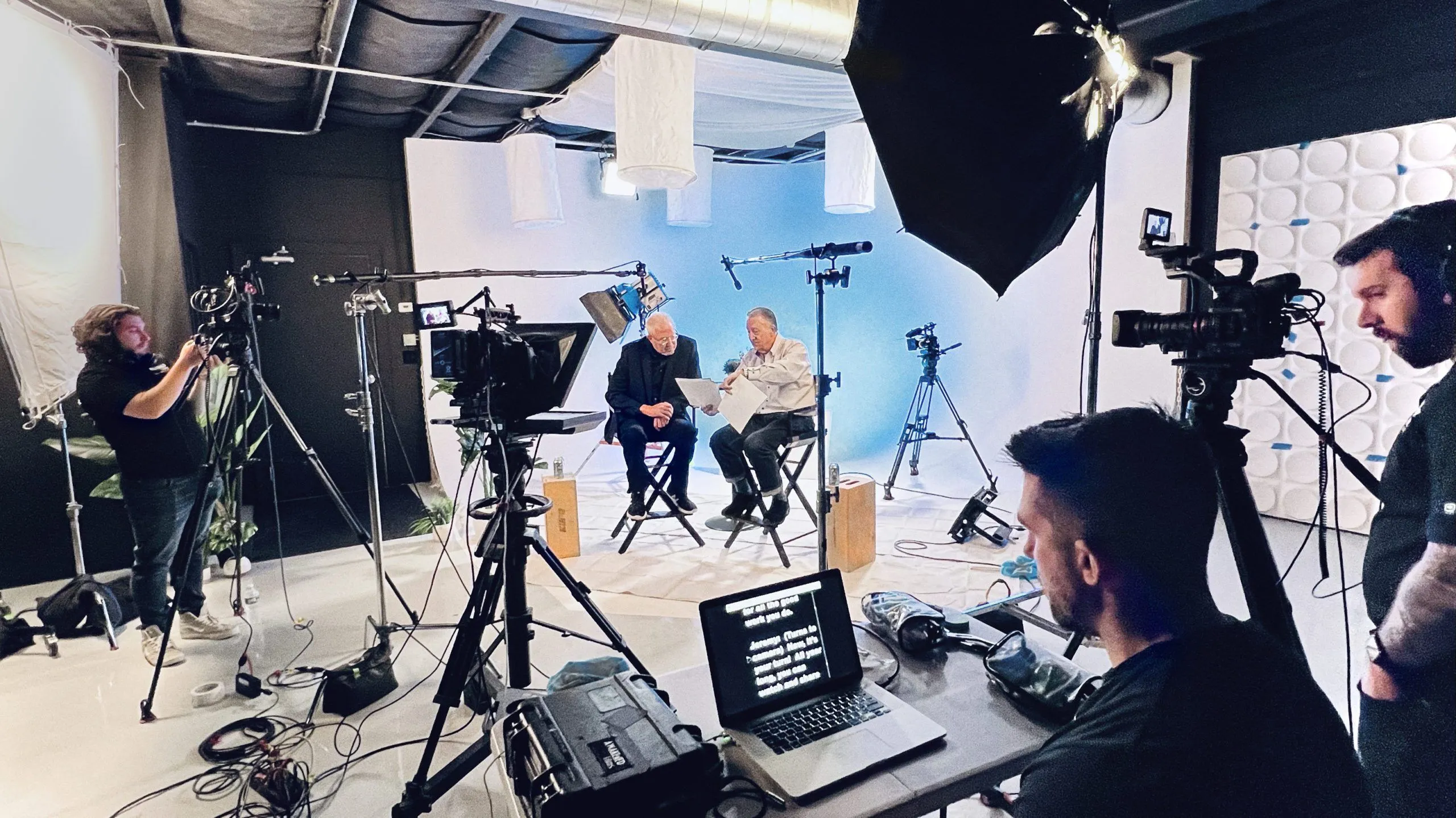
Filmmaker production is the complete process of transforming a creative film idea into a finished project that is ready for an audience. It involves much more than simply recording scenes, as filmmakers must manage everything from developing the story and planning the shoot to coordinating cast and crew, selecting locations, arranging equipment, and managing production schedules.
The process also includes filming, editing, sound design, color grading, visual effects, and final distribution. Each stage requires careful planning, creative decision-making, and collaboration to ensure the finished film communicates its story effectively and maintains a professional standard from beginning to end.
What Is Filmmaker Production?
Filmmaker production refers to the complete process of creating a film, from the first concept through the finished project. It can apply to feature films, short films, documentaries, commercials, music videos, independent productions, and other forms of screen content.
Although audiences usually see only the finished product, filmmaking involves hundreds of decisions behind the scenes. A production may require writers, directors, producers, cinematographers, production designers, sound professionals, editors, actors, assistants, and many other specialists.
A successful production isn’t simply about having an expensive camera or a talented cast. It depends on planning, communication, creative direction, organization, and the ability to solve problems when things don’t go according to plan.
The Main Stages of Film Production
Most film projects can be divided into several connected stages:
| Stage | Main Purpose |
|---|---|
| Development | Create and develop the film concept |
| Pre-production | Plan the project, crew, locations, schedule, and resources |
| Production | Capture the performances, visuals, and sound |
| Post-production | Edit, mix, enhance, and finish the film |
| Distribution | Deliver the completed project to its intended audience |
The stages overlap more than many beginners realize. Decisions made during development can affect the shooting schedule, while choices made during production can influence editing and post-production.
Development: Turning an Idea Into a Project
Every production starts with an idea. It could be an original story, a real event, a documentary concept, a commercial objective, or an adaptation.
During development, filmmakers usually establish what the project is about and why it should be made.
Important development tasks can include:
- Creating the initial concept
- Developing characters and story structure
- Writing or commissioning a screenplay
- Determining the intended audience
- Establishing the project’s creative direction
- Estimating the required budget
- Exploring potential financing
- Considering distribution opportunities
The screenplay becomes particularly important for narrative productions because it provides the foundation for many later decisions.
At this point, producers and filmmakers also need to determine whether the idea is realistically achievable with the available time, money, people, and resources.
Pre-Production: Planning Before the Cameras Roll
Pre-production is where an idea becomes a practical production plan.
This stage can make or break a project. A poorly prepared shoot can lose valuable time and money, while careful preparation gives the crew a much clearer path forward.
Script Breakdown
The screenplay is examined scene by scene to identify production requirements. These may include:
- Actors and supporting performers
- Locations
- Props
- Costumes
- Vehicles
- Special effects
- Makeup and hair
- Camera requirements
- Sound requirements
- Production design
Casting
Casting involves finding performers who fit the characters and creative requirements of the project. For smaller productions, casting may be relatively simple. Larger projects can involve auditions, callbacks, casting directors, and extensive scheduling.
Location Planning
Locations influence the look and feel of a film while also affecting logistics. Filmmakers may need to consider permissions, accessibility, lighting, sound, parking, weather, power availability, and surrounding activity.
Scheduling
A production schedule determines when scenes will be filmed and which cast and crew members need to be present.
Scenes aren’t necessarily filmed in the order they appear in the finished movie. A production may group scenes based on location, actor availability, lighting conditions, or equipment requirements.
Shot Lists and Storyboards
A shot list gives the camera team a practical plan for capturing the required material. Storyboards can provide visual references for important sequences.
Neither needs to eliminate creativity on set. Instead, they provide a foundation that allows the director and crew to work efficiently.
Production: Bringing the Story to Life
Production is the stage most people associate with filmmaking: cameras are rolling, actors are performing, and the crew is capturing the material that will eventually become the finished film.
The director generally leads the creative execution while department heads manage their respective areas.
The cinematographer, for example, works with the director on visual elements such as framing, camera movement, lighting, and lens choices.
Meanwhile, the sound department records dialogue and other important audio. Production designers and their teams create the physical environment, while costume, makeup, and hair departments contribute to the appearance of characters.
Why Communication Matters on Set
A film set is a collaborative environment. Even a relatively small production involves people performing different jobs at the same time.
Clear communication helps everyone understand:
- What is being filmed
- Which shot comes next
- Where performers should be
- What equipment is required
- Whether another department has an issue
- How much time remains in the schedule
Unexpected problems are normal. Weather can change, equipment can fail, locations can become unavailable, and scenes can take longer than expected. Good production teams adapt without losing sight of the project’s overall goals.
Post-Production and the Finishing Process
Once filming ends, the project isn’t finished. Post-production transforms the raw footage into a coherent final film.
Editing
Editors review the captured footage and assemble scenes according to the project’s creative direction.
Editing can influence:
- Story pacing
- Character development
- Emotional impact
- Scene transitions
- Overall runtime
A scene that works perfectly on the page may feel different once filmed, so editing often involves creative decisions rather than simply arranging clips.
Sound
Sound is one of the most important parts of the finished viewing experience. Post-production may involve dialogue editing, sound effects, ambience, Foley, and music.
Poor sound can distract viewers even when the visuals are strong.
Color
Color correction and color grading help establish visual consistency and mood. Different scenes may require adjustments so that shots captured under varying conditions work together naturally.
Visual Effects and Graphics
Some productions require visual effects, titles, animation, motion graphics, or digital compositing. The amount of work depends heavily on the project’s style and requirements.
Final Delivery
After editing and finishing, the completed film is prepared for its intended destination. Technical requirements can vary depending on whether the project is intended for theatrical exhibition, television, streaming, festivals, social media, or another platform.
The People Behind a Film Production
Filmmaking is highly collaborative. While the exact crew varies by project, common roles include:
Producer: Oversees the production from a business and organizational perspective.
Director: Leads the creative interpretation and execution of the project.
Screenwriter: Develops the screenplay and story structure.
Director of Photography: Shapes the visual appearance and cinematography.
Production Designer: Develops the visual environment, sets, and design elements.
Sound Team: Captures and develops the project’s audio.
Editor: Shapes the recorded material into the final narrative.
Actors: Perform the characters and carry the dramatic or informational content.
On larger productions, each department can contain numerous additional roles.
Common Challenges in Filmmaking
Every production has its own difficulties. Some of the most common include:
Limited Budgets
Budget restrictions can affect locations, equipment, crew size, shooting days, and post-production resources. Strong planning can help filmmakers prioritize the elements that matter most to the story.
Tight Schedules
A delayed scene can affect the rest of the day’s schedule. Productions therefore need realistic timing and contingency planning.
Technical Problems
Camera, lighting, storage, power, and audio issues can interrupt a shoot. Backup equipment and proper preparation can reduce the impact of unexpected failures.
Creative Differences
Filmmaking involves many creative opinions. Directors, producers, writers, performers, and department heads may approach a scene differently. Clear creative leadership and respectful communication can help resolve disagreements.
How to Make a Film Production More Efficient
Efficiency doesn’t mean rushing through the filmmaking process. It means using available resources intelligently.
A few practical principles can help:
- Prepare the script carefully before production.
- Build a realistic shooting schedule.
- Confirm locations and permissions early.
- Communicate expectations clearly with the crew.
- Keep production documents organized.
- Capture clean audio and properly exposed footage.
- Back up footage during production.
- Leave enough time for editing and finishing.
- Plan the final delivery requirements early.
- Keep the creative goals visible throughout the process.
For independent filmmakers in particular, preparation can compensate for limited resources. A smaller production can still look professional when the story, performances, cinematography, sound, and editing are handled thoughtfully.
FAQs About Filmmaker Production
What does a filmmaker do during production?
A filmmaker oversees creative decisions, filming, performers, crew coordination, and production activities. Their exact responsibilities depend on the project’s size and role.
What are the five stages of film production?
The five main stages are development, pre-production, production, post-production, and distribution. Together, they take a project from an initial idea to its audience.
Is filmmaking expensive?
Filmmaking costs vary depending on the cast, crew, locations, equipment, and production requirements. A well-planned independent project can be produced with a relatively limited budget.
Why is pre-production important?
Pre-production helps filmmakers organize the script, cast, locations, equipment, budget, and schedule. Good planning reduces delays and unexpected problems during filming.
What happens after filming is complete?
The project enters post-production, where footage is edited and refined. Sound, music, color grading, visual effects, and titles may also be added.
What is the difference between a filmmaker and a film producer?
A filmmaker is generally involved in creating and shaping a film, while a producer focuses heavily on managing its production. On smaller projects, one person may handle both roles.
Can one person handle an entire film production?
Yes, a single filmmaker can manage multiple roles on a small or independent project. Larger productions usually require specialized crew members for different departments.
Conclusion
Filmmaker production is a combination of creative storytelling and practical organization. From developing an initial concept to planning the shoot, capturing footage, editing scenes, refining sound and visuals, and preparing the final project for audiences, every stage contributes to the finished film.
The strongest productions aren’t necessarily the ones with the biggest budgets. They’re the ones where the creative vision is supported by thoughtful planning, effective collaboration, careful execution, and a willingness to adapt when challenges arise. Whether you’re working on a short film, documentary, commercial, or feature, understanding the production process gives you a stronger foundation for turning an idea into something audiences can actually see and experience.
Learn More About: Fashion Movies
