

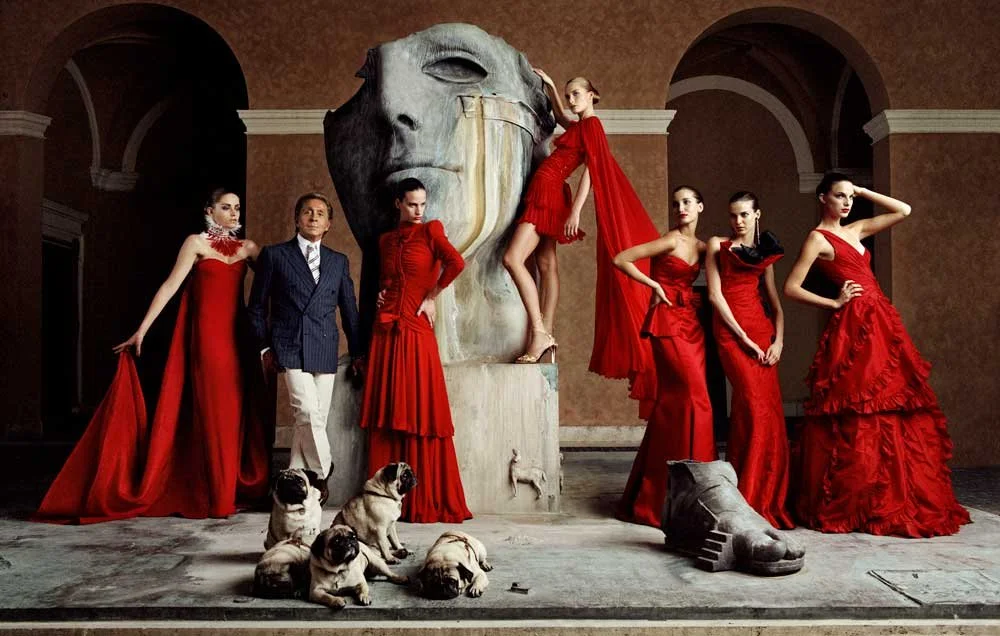
Fashion and movies have always had a close relationship. A memorable outfit can become as recognizable as a character, while a film can introduce audiences to an entire fashion era, designer, or style movement.
Some films focus directly on the fashion industry, showing the pressure of runways, magazines, designers, and luxury brands. Others use clothing more subtly, allowing costumes to reveal personality, social status, ambition, or emotional change.
That makes fashion movies interesting even for people who aren’t deeply involved in the fashion world. They combine strong characters, visual storytelling, creativity, and style in a way that can make a film memorable long after the credits roll.
What Makes a Movie a Fashion Movie?
A fashion movie doesn’t necessarily have to be about a designer or clothing company. The category is much broader.
A film can be considered fashion-focused when clothing and personal style play an important role in its story, characters, setting, or visual identity.
Common themes include:
- Fashion designers and creative careers
- Modeling and runway culture
- Magazine publishing
- Luxury and designer brands
- Costume design
- Personal transformation
- Celebrity culture
- Beauty and style
- Fashion history
- Competition and ambition
In some films, fashion is the main subject. In others, it works almost like another character.
For example, The Devil Wears Prada uses the fashion magazine industry to explore ambition, workplace pressure, relationships, and personal identity. Clueless, meanwhile, uses clothing to establish its characters and capture the style of its era.
Best Fashion Movies to Watch
There are many films worth watching if you’re interested in fashion. Some are entertaining comedies, while others provide a more serious look at creativity, business, and the people behind major fashion movements.
| Movie | Release Year | Fashion Focus |
| The Devil Wears Prada | 2006 | Fashion magazines and luxury style |
| Clueless | 1995 | Youth fashion and 1990s style |
| Coco Before Chanel | 2009 | Chanel’s early life and career |
| House of Gucci | 2021 | Luxury fashion and family history |
| Phantom Thread | 2017 | Couture and designer creativity |
| Cruella | 2021 | Fashion design and creative rivalry |
| Zoolander | 2001 | Modeling and fashion satire |
| Confessions of a Shopaholic | 2009 | Shopping and personal style |
| Funny Face | 1957 | Fashion photography and Paris style |
| The September Issue | 2009 | Fashion magazines and editorial work |
1. The Devil Wears Prada
Few modern films are as closely associated with fashion as The Devil Wears Prada. The story follows Andy Sachs, a young woman who enters the demanding world of fashion publishing while working for a powerful magazine editor.
The film offers a look at magazine culture, designer clothing, workplace expectations, and the pressure to fit into a highly competitive industry.
It also raises an interesting question: how much should someone change to succeed in a career?
2. Clueless
Clueless remains one of the most recognizable style films of the 1990s. Its colorful outfits, coordinated looks, and playful approach to fashion helped make the movie a lasting cultural reference.
The film also demonstrates how clothing can communicate personality. Cher’s wardrobe isn’t simply decoration; it helps establish her character and her world.
3. Coco Before Chanel
Coco Before Chanel explores the early life and career of Gabrielle “Coco” Chanel. Rather than focusing only on the glamorous side of the fashion industry, the film presents her journey toward becoming one of the most influential names in fashion.
It’s a good choice for viewers interested in fashion history and the people who helped shape modern style.
4. House of Gucci
House of Gucci combines fashion, family, wealth, ambition, and conflict. Inspired by the history of the Gucci family, the movie presents a dramatic interpretation of the events surrounding the famous luxury fashion house.
It’s particularly appealing to viewers who enjoy fashion stories with a strong element of drama.
5. Phantom Thread
For something more artistic, Phantom Thread offers a very different look at fashion. Set within the world of haute couture, the film follows a highly demanding designer and the relationships surrounding his creative work.
The movie treats clothing as art while exploring perfectionism, control, love, and creative obsession.
Fashion Movies Based on Real People
Some of the most interesting fashion films are inspired by real designers and fashion figures. These movies can give audiences a starting point for learning about the people behind major brands and movements.
Examples include:
- Coco Before Chanel — inspired by Coco Chanel
- House of Gucci — based on the Gucci family and fashion house
- Yves Saint Laurent — focused on the legendary French designer
- Dior and I — a documentary about Raf Simons and his work at Dior
- McQueen — a documentary exploring Alexander McQueen’s life and career
When watching biographical fashion films, it’s worth remembering that movies often dramatize real events. They can be useful introductions to a person’s story, but they aren’t always complete historical records.
For viewers who want to explore movie imagery, characters, and memorable screen moments further, collections of Hollywood movie pictures can also provide useful visual inspiration.
Why Fashion Plays Such an Important Role in Movies
Costumes do much more than make actors look attractive.
A well-designed costume can tell the audience something about a character before the character even speaks.
Clothing Shows Personality
A character who wears carefully coordinated luxury clothing may be presented differently from someone who prefers simple, practical outfits.
Small details can communicate confidence, insecurity, wealth, rebellion, professionalism, or creativity.
Fashion Shows Character Development
One of the most effective uses of fashion in film is transformation.
A character may begin the story wearing simple or conservative clothing and gradually develop a more confident style as their personality changes.
This technique allows viewers to see character development without lengthy explanations.
Clothing Establishes Time and Place
Fashion can instantly transport an audience to another period.
A movie set in the 1920s will look very different from one set in the 1970s or early 2000s. Hair, accessories, fabrics, silhouettes, and colors all help establish the period.
Fashion Creates a Visual Identity
Some movies become famous partly because of their distinctive visual style.
Think about the school uniforms and preppy looks in Clueless, the sophisticated office wardrobe in The Devil Wears Prada, or the dramatic couture designs in Phantom Thread.
These visual choices can become part of the film’s identity.
The Most Important Fashion Themes in Film
Fashion movies often explore themes that go beyond clothing.
Ambition
The fashion industry is frequently portrayed as competitive. Characters may have to prove their creativity, build professional relationships, or make difficult decisions to succeed.
Identity
Clothing can influence how people see themselves and how others perceive them. This makes fashion a natural storytelling tool when a character is trying to discover or redefine their identity.
Power
Luxury clothing, exclusive brands, and access to elite social circles can symbolize status and influence.
Movies often use fashion to show differences between social groups or to explore how appearance affects professional opportunities.
Creativity
Designers and stylists work in highly creative environments. Fashion films often highlight the process of turning an idea into a finished garment.
Relationships
Fashion can also influence relationships. Characters may compete for recognition, collaborate on creative projects, or struggle with the demands of a career.
How to Choose a Fashion Movie
Not every fashion film offers the same experience. Your choice can depend on what you want to watch.
For comedy:
Try Clueless, Zoolander, or Confessions of a Shopaholic.
For fashion history:
Consider Coco Before Chanel or Yves Saint Laurent.
For drama:
House of Gucci and Phantom Thread are strong choices.
For documentaries:
The September Issue, Dior and I, and McQueen provide a closer look at the fashion industry and its creative process.
For iconic style:
Funny Face, Clueless, and The Devil Wears Prada are excellent starting points.
If you’re exploring older and newer films together, a celebrity movie archive can also be useful for discovering actors, films, and classic screen appearances across different periods: celebrity movie archive.
Key Takeaways
- Fashion movies combine storytelling with clothing, style, design, or the fashion industry.
- Fashion can reveal a character’s personality, social status, ambitions, and development.
- The Devil Wears Prada, Clueless, Coco Before Chanel, and Phantom Thread are strong choices for different types of viewers.
- Biographical fashion films can introduce audiences to influential designers, although dramatization is common.
- Costume design is an important part of filmmaking because it helps establish characters, periods, settings, and mood.
- You don’t need to be a fashion expert to enjoy a good fashion-focused movie.
FAQs About Fashion Movies
What is the best fashion movie to watch first?
The Devil Wears Prada is a great starting point because it combines fashion, comedy, drama, workplace culture, and memorable costume design.
Are fashion movies only about designers?
No. Fashion movies can focus on models, magazines, shopping, costume design, celebrities, luxury brands, or characters whose clothing plays an important role in their story.
Which fashion movie is good for beginners?
The Devil Wears Prada and Clueless are accessible choices because you can enjoy their stories without knowing much about the fashion industry.
Are fashion movies based on real events accurate?
Not always. Biographical and historical films often simplify or dramatize events for storytelling. If accuracy matters, it’s best to treat the movie as an introduction and research the real events separately.
What fashion movie has the most iconic outfits?
There isn’t one objective answer, but Clueless, The Devil Wears Prada, Funny Face, and Cruella are frequently remembered for distinctive costume design and styling.
Why is fashion important in movies?
Fashion helps communicate character, period, personality, social status, and emotional development. It can also establish the overall visual identity of a film.
Conclusion
The best fashion movies prove that clothing can be much more than something characters wear. It can communicate personality, ambition, culture, relationships, and change without saying a word.
From the fast-paced fashion world of The Devil Wears Prada to the historical journey of Coco Chanel and the artistic world of Phantom Thread, these films offer very different perspectives on style and creativity.
Whether you’re interested in designers, costume history, celebrity style, or simply want a visually engaging movie, there’s a fashion-focused film worth adding to your watchlist.
