

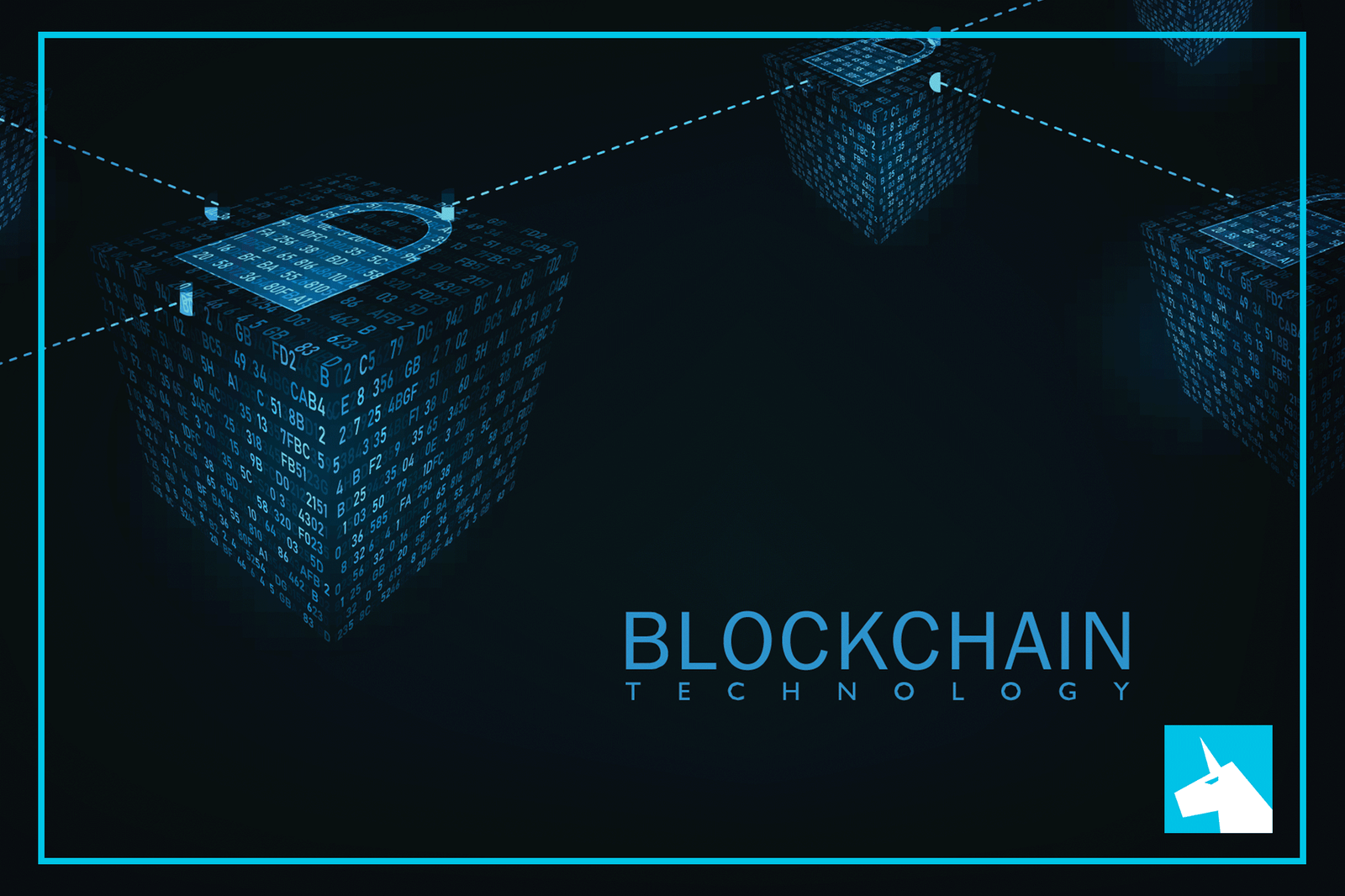
Blockchain technology is a digital system for recording and sharing transactions across a distributed network of computers. Instead of relying on one central database, blockchain stores information in connected blocks that are cryptographically linked. Once recorded and confirmed, changing past data is designed to be difficult, making blockchain useful for applications such as cryptocurrency, supply chains, digital identity, payments, and record management.
What Is Blockchain Technology?
Blockchain technology is a way of storing and exchanging digital information across a network without requiring a single organization to maintain the entire record.
The name comes from its basic structure. Information is grouped into blocks, and these blocks are connected in a chronological chain. Each block can contain transaction records and other data, along with information that helps connect it to the previous block.
A blockchain is maintained by multiple computers, often called nodes. Depending on how the network is designed, participants may help verify transactions, maintain copies of the ledger, or perform other network functions.
This approach can provide transparency, traceability, and resistance to unauthorized changes. However, blockchain isn’t automatically the best solution for every database or business problem. Its usefulness depends on the specific application and how the network is designed.
How Does Blockchain Work?
Although different blockchain networks operate differently, the basic process can be understood through several steps.
1. A transaction or record is created
A user or system initiates an action, such as sending cryptocurrency, recording ownership information, or updating a supply-chain record.
2. The transaction is shared with the network
The proposed transaction is distributed to participating computers on the blockchain network.
3. The network verifies the information
A consensus mechanism is used to determine whether the transaction should be accepted. Different blockchains use different approaches, including Proof of Work and Proof of Stake.
4. Verified transactions are grouped into a block
Once transactions meet the network’s requirements, they can be collected into a new block.
5. The block is added to the chain
The new block is linked to earlier blocks using cryptographic techniques. This creates a chronological record.
6. The ledger is updated
Participating network computers update their records according to the blockchain’s rules.
The result is a shared ledger that can be independently verified by participants rather than being controlled entirely by one central database administrator.
Key Features of Blockchain
Several characteristics distinguish blockchain from conventional data systems.
| Feature | What It Means |
| Distributed ledger | Records can be maintained across multiple participating computers |
| Cryptography | Mathematical techniques help protect data and transactions |
| Consensus | Network rules determine how transactions are validated |
| Traceability | Records can often be followed through the chain |
| Tamper resistance | Altering confirmed historical records can be difficult |
| Transparency | Some blockchains allow participants or the public to inspect transaction records |
| Automation | Smart contracts can execute programmed actions when defined conditions are met |
Not every blockchain offers the same level of transparency or decentralization. Private and permissioned networks, for example, can restrict who is allowed to participate or view certain information.
Types of Blockchain Networks
Blockchain networks are commonly grouped according to who can participate and how access is controlled.
Public Blockchains
Public blockchains are generally open to anyone who meets the network’s participation requirements. Bitcoin and Ethereum are well-known examples.
They can support decentralized applications and digital assets while allowing network activity to be independently verified.
Private Blockchains
Private blockchains restrict participation to approved users or organizations. They may be used where a company needs controlled access to a shared ledger.
Consortium or Federated Blockchains
A consortium blockchain is managed by multiple organizations rather than a single entity. This model can be useful when several businesses need to share records but don’t want the system to be completely public.
Hybrid Blockchains
Hybrid systems combine characteristics of public and private networks, allowing organizations to keep certain information restricted while exposing other information more broadly.
Blockchain vs. Traditional Databases
Traditional databases and blockchains both store information, but they are designed for different purposes.
A conventional database is usually controlled by an organization or administrator. Authorized users can add, modify, or remove information according to established permissions.
Blockchain systems place greater emphasis on distributed verification and maintaining a history of records. Depending on the blockchain, changing previously confirmed information may require overcoming cryptographic and consensus mechanisms.
This makes blockchain particularly interesting when multiple parties need to share a trusted record but don’t necessarily want one participant to have complete control over it.
However, traditional databases are often faster, simpler, and more efficient for applications that don’t require blockchain’s distributed structure.
Real-World Uses of Blockchain
Blockchain technology became widely known through cryptocurrency, but its potential applications extend beyond digital currencies.
Cryptocurrency and Digital Payments
Bitcoin demonstrated how blockchain could support a digital currency without depending on a conventional central payment database.
Other blockchain networks support different digital assets and decentralized financial applications.
Supply Chain Management
Companies can use blockchain-based systems to create traceable records as products move between manufacturers, suppliers, distributors, and retailers.
The technology doesn’t automatically guarantee that every piece of information entered into a system is accurate. Instead, its value comes from creating a shared and traceable record of information that participants agree to record.
Digital Identity
Blockchain-based identity systems can potentially give people greater control over certain credentials and verification processes. The exact design is important because storing sensitive personal information directly on a public blockchain can create privacy concerns.
Smart Contracts
A smart contract is a program deployed on a blockchain that can execute predefined actions when its programmed conditions are met.
Smart contracts are used extensively in decentralized applications, including financial services, marketplaces, and digital asset systems.
Healthcare Data
Blockchain has been explored for sharing and managing healthcare-related records between organizations. The biggest challenge is balancing interoperability and data integrity with privacy, security, and regulatory requirements.
Intellectual Property and Digital Assets
Blockchain can provide records associated with digital ownership or transfers. This has contributed to the development of tokenized assets and blockchain-based digital collectibles.
Benefits of Blockchain Technology
Blockchain can offer several advantages when its architecture fits the problem being solved.
Greater transparency: Some blockchain networks allow participants to independently inspect transaction histories.
Improved traceability: Records can create a chronological history that helps organizations track transactions or movements.
Reduced dependence on intermediaries: Certain blockchain applications can allow participants to interact directly through network rules or smart contracts.
Tamper resistance: Cryptographic linking and consensus mechanisms can make unauthorized modification of confirmed records difficult.
Automation: Smart contracts can automate specific processes once their programmed conditions are satisfied.
Shared records: Multiple organizations can work from a common ledger rather than maintaining completely separate records and repeatedly reconciling them.
Limitations and Challenges
Blockchain isn’t a universal replacement for existing technology.
Scalability
Some blockchain networks face limitations in transaction throughput, confirmation times, or network capacity. Developers use different approaches to address these issues.
Energy Consumption
The environmental impact varies significantly by consensus mechanism. Proof-of-Work networks can require substantial computational resources, while Proof-of-Stake systems generally use considerably less energy for network consensus.
Regulation
Blockchain applications can involve financial services, privacy, taxation, securities, consumer protection, and other areas of regulation. Rules also vary between jurisdictions and can change over time.
Privacy
Public blockchains can make transaction information visible to network participants. Even when names aren’t directly displayed, blockchain activity can sometimes be analyzed and linked to identities.
Complexity
Building and maintaining blockchain applications requires specialized technical knowledge. Poorly designed smart contracts or applications can introduce security vulnerabilities.
Irreversible Transactions
On many blockchain networks, confirmed transactions cannot simply be reversed by contacting a central administrator. Users therefore need to take responsibility for addresses, private keys, and transaction details.
Is Blockchain Only Used for Cryptocurrency?
No. Cryptocurrency is one of the most prominent applications of blockchain, but the underlying technology has broader uses.
Blockchain can potentially support shared records, digital assets, smart contracts, supply-chain tracking, identity systems, decentralized applications, and other forms of digital coordination.
The important distinction is that blockchain is a technology, while cryptocurrency is one type of application built using blockchain or related distributed-ledger systems.
The Future of Blockchain Technology
The future of blockchain is likely to depend less on the technology’s novelty and more on whether it can solve practical problems efficiently.
Developers and businesses continue to explore areas such as tokenization, decentralized applications, cross-chain communication, digital credentials, and blockchain-based financial infrastructure.
At the same time, improvements in scalability, security, usability, privacy, and regulatory clarity will be important for broader adoption.
The most successful blockchain applications may not always be visible to everyday users. Like other infrastructure technologies, blockchain could become part of the underlying systems that power services without requiring people to understand how the technology works.
Frequently Asked Questions About Blockchain Technology
What is blockchain technology in simple words?
Blockchain is a method of recording information across a network of computers. Records are organized into linked blocks, creating a shared and traceable digital ledger.
How secure is blockchain?
Blockchain networks use cryptography and consensus mechanisms to protect records and validate transactions. However, blockchain applications can still contain vulnerabilities, and users can lose assets through compromised credentials or mistakes.
What is a blockchain block?
A block is a collection of records or transactions that has been accepted according to a blockchain network’s rules. Blocks are linked together to form the blockchain.
What is a smart contract?
A smart contract is a blockchain-based program that automatically performs predefined actions when specified conditions are met.
Is Bitcoin the same as blockchain?
No. Bitcoin is a cryptocurrency and blockchain is the underlying type of distributed-ledger technology used by Bitcoin. Other blockchain networks can support different applications and digital assets.
Can blockchain records be changed?
Blockchain records are difficult to change once confirmed. However, they aren’t always completely impossible to alter.
Why is blockchain important?
Blockchain allows people to share and verify information without relying on one central authority. It can make digital records more secure and transparent.
Conclusion
Blockchain technology has evolved from being primarily associated with cryptocurrency into a broader approach to digital recordkeeping, decentralized applications, smart contracts, and asset management.
Its biggest strength isn’t simply that information is stored in blocks. The more important idea is that multiple participants can coordinate around a shared digital record using cryptography and agreed network rules.
Blockchain also has real limitations, including scalability, privacy, regulation, complexity, and security challenges. For that reason, organizations should choose it based on a genuine business or technical need rather than treating it as a solution to every data-management problem.
As the technology continues to mature, practical applications, improved infrastructure, and clearer standards will determine where blockchain creates lasting value.
Learn More About: China Technology
