

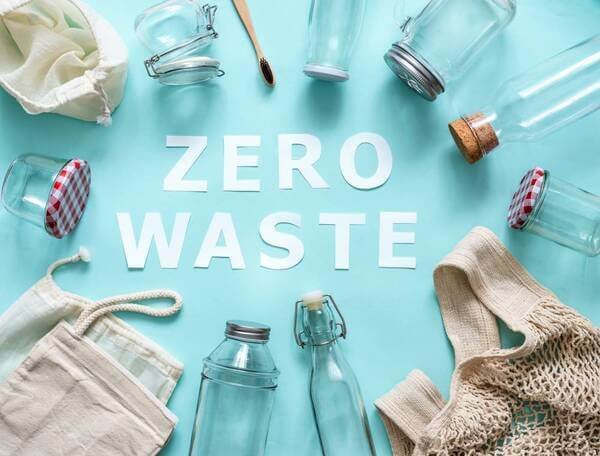
A zero waste lifestyle is a practical approach to everyday living that focuses on reducing the amount of waste sent to landfills or incineration facilities. It involves making more thoughtful choices about what we buy, use, reuse, repair, and eventually dispose of. This can include avoiding unnecessary purchases and single-use products, choosing durable and reusable alternatives, repairing items instead of replacing them, reusing materials whenever possible, recycling correctly, and composting suitable organic waste.
A zero waste lifestyle does not mean producing absolutely no waste, which may not be realistic for most people. Instead, it encourages individuals and households to gradually reduce unnecessary waste, use resources more efficiently, and develop sustainable habits that can make everyday living more responsible and environmentally conscious.
What Is a Zero Waste Lifestyle?
A zero waste lifestyle is an approach to everyday living that aims to prevent unnecessary waste and make better use of the resources we already have.
Rather than simply buying products labeled as “eco-friendly,” zero waste living encourages people to look at the entire process behind their purchases. That means asking whether something is needed, how long it will last, whether it can be reused or repaired, and what will happen to it when it is no longer useful.
The idea is practical rather than perfect. Most people cannot eliminate all waste from their lives, but small changes can make everyday consumption more thoughtful and less wasteful.
Why Does Zero Waste Matter?
Household waste comes from many ordinary activities, including buying food, using personal-care products, replacing clothing, and purchasing packaged goods. Reducing unnecessary waste can help conserve materials and reduce the resources required to produce, transport, and dispose of products.
Zero waste also encourages a different relationship with consumption. Instead of constantly replacing things, people can focus on buying fewer, longer-lasting products and finding new uses for items they already own.
The most effective approach is usually to reduce waste before it is created. Recycling has value, but avoiding unnecessary consumption generally comes earlier in the waste hierarchy.
The 5 Rs of Zero Waste Living
A useful way to understand zero waste is through the commonly used “5 Rs”:
1. Refuse
Refuse things you do not need, particularly disposable or promotional items that are likely to be used only once.
For example, you might decline unnecessary receipts, disposable cutlery, or single-use bags when a reusable alternative is available.
2. Reduce
Reduce the number of things you buy and the amount of packaging you bring home.
Before making a purchase, ask yourself whether you genuinely need the item and whether you already own something that can perform the same job.
3. Reuse
Choose reusable products and find additional uses for items before throwing them away.
Reusable shopping bags, water bottles, food containers, and cloth towels are simple examples.
4. Recycle
Recycle materials through appropriate local recycling systems when reuse or reduction is not possible.
Because recycling rules differ by location, check local guidance rather than assuming every item marked with a recycling symbol belongs in your recycling bin.
5. Rot
Organic materials such as fruit and vegetable scraps can often be composted instead of being sent to landfill.
Depending on where you live, composting may involve a home compost system, community collection, or a local composting service.
How to Start a Zero Waste Lifestyle
You do not need to replace everything in your home to begin. In fact, throwing away perfectly usable products simply because they are made from plastic or do not match a zero waste aesthetic can create more waste.
Start by observing what you regularly throw away.
For one or two weeks, pay attention to your household waste. You may notice that most of it comes from a few categories, such as food packaging, disposable tissues, takeaway containers, or food scraps.
Then focus on those areas first.
Make Reusable Choices
Replace frequently used disposable items with durable alternatives when your existing products reach the end of their useful life.
For example:
- Use a reusable bottle instead of repeatedly buying bottled drinks.
- Carry reusable shopping bags.
- Store food in containers that can be washed and reused.
- Use washable cloths for suitable household cleaning tasks.
- Bring a reusable cup when practical.
The goal is not to buy dozens of “zero waste” products. It is to use what you already own for as long as possible and make better choices when replacements are genuinely needed.
Zero Waste Ideas for the Kitchen
The kitchen is one of the easiest places to find opportunities for waste reduction.
Plan Meals
Meal planning can help prevent food from being forgotten in the refrigerator. Before shopping, check what you already have and plan meals around ingredients that need to be used.
Store Food Properly
Appropriate storage can help food remain usable for longer. Keep foods in suitable containers and organize your refrigerator so older items are easy to see.
Use Food Scraps Creatively
Some parts of food that are commonly discarded may have another use. Vegetable scraps can sometimes be used for stocks, while suitable leftovers can become ingredients in another meal.
When food can no longer be safely eaten or reused, composting may be an option.
Buy Only What You Need
Bulk buying is not automatically more sustainable. If a large quantity of food goes unused, the packaging savings do not solve the underlying problem. Buy quantities that match your actual consumption.
Reducing Waste When Shopping
Shopping is another major opportunity to practice zero waste principles.
Before purchasing something, consider these questions:
- Do I actually need it?
- Do I already own something similar?
- Can I borrow, rent, or buy it secondhand?
- Is it durable enough to last?
- Can it be repaired?
- What will happen to it when I no longer need it?
When possible, choose durable products over disposable ones and prioritize quality over unnecessary quantity.
Secondhand shopping can also extend the useful life of clothing, furniture, books, electronics, and other goods.
Zero Waste in the Bathroom
Bathrooms often contain many individually packaged products, making them another useful place to reduce waste.
Use products you already have before replacing them with alternatives. When it is time to purchase something new, consider products with minimal packaging, refill options, or durable packaging that can be reused.
Simple changes might include using washable towels instead of disposable wipes where appropriate and avoiding products purchased primarily because of excessive packaging.
The best choice depends on your needs, budget, availability, and local waste-management options.
Clothing and Household Items
A zero waste approach can also change how you think about clothing and household goods.
Instead of replacing an item because it looks slightly worn, consider whether it can be cleaned, repaired, altered, or repurposed.
For clothing, basic repairs such as replacing a button or fixing a small tear can extend the life of a garment. Unwanted but usable clothing can be donated, sold, swapped, or given to someone who needs it.
The same principle applies to household items. A damaged piece of furniture may need only a small repair rather than complete replacement.
Common Zero Waste Mistakes to Avoid
One common mistake is believing that zero waste requires buying a completely new collection of sustainable products.
Replacing every plastic item in your home immediately can create unnecessary consumption. Use what you already have and make changes gradually.
Another mistake is focusing only on packaging. Packaging matters, but buying unnecessary products in reusable or recyclable packaging still involves resource use.
Finally, do not let perfection become a barrier. A zero waste lifestyle is not an all-or-nothing challenge. Making one useful change is better than abandoning the idea because completely eliminating waste feels impossible.
Frequently Asked Questions
Is a zero waste lifestyle realistic?
Completely eliminating waste is difficult for most people. A more realistic goal is to continuously reduce unnecessary waste and make more responsible choices within your circumstances.
Do I need to buy expensive zero waste products?
No. Many zero waste habits involve using what you already own, buying less, repairing items, reusing containers, and avoiding unnecessary purchases. You do not need expensive products to begin.
What should I change first?
Start with the waste your household produces most often. If food scraps are a major source, explore meal planning and composting. If disposable packaging is common, focus on reusable options and buying products with less packaging.
Is recycling enough for a zero waste lifestyle?
Recycling is useful, but zero waste generally puts greater emphasis on preventing waste before it is created. Refusing, reducing, and reusing usually come before recycling.
Can I still buy new products?
Yes. Zero waste does not mean never purchasing anything. It encourages thoughtful consumption, including buying durable products that meet a genuine need and using them for as long as possible.
How can families adopt zero waste habits?
Choose a few simple habits that everyone can follow, such as using reusable bottles, planning meals, separating recyclable materials correctly, and reducing food waste. Making the process convenient helps sustainable habits become part of everyday life.
Does secondhand shopping support zero waste?
Secondhand shopping can help extend the useful life of existing products and reduce demand for new items. However, it is still important to buy only what you actually need.
Conclusion
A zero waste lifestyle is less about achieving a perfect waste-free home and more about changing how you consume, use, and dispose of everyday products. Start by refusing unnecessary items, reducing purchases, reusing what you own, recycling correctly, and composting suitable organic waste.
You do not have to change everything at once. Identify the biggest sources of waste in your daily routine and make practical improvements one step at a time. Over time, these small decisions can become simple habits that make your household less wasteful and more intentional.
Learn More About: Lifestyle
