

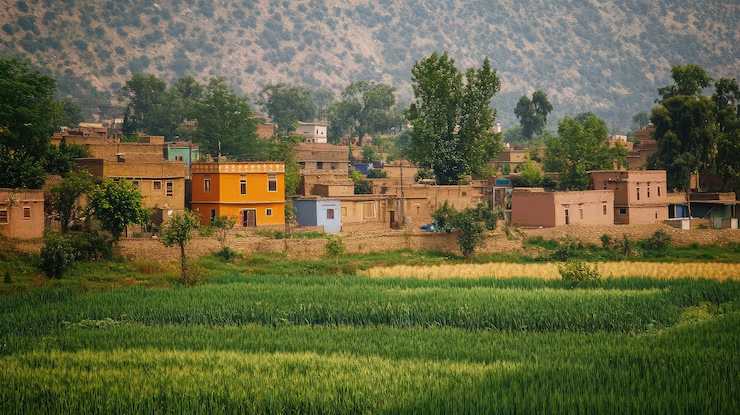
Village life has a charm that is difficult to find in a busy city. Instead of constant traffic, crowded streets, and fast schedules, village communities often offer open spaces, natural surroundings, familiar faces, and a closer connection to the land.
For many people, village life means waking up to fresh air, hearing birds in the morning, working outdoors, spending time with family, and knowing the people who live nearby. Agriculture, livestock, local businesses, festivals, and community traditions often play an important role in everyday life.
However, village living is not simply an escape from the city. It comes with its own responsibilities and challenges. Access to healthcare, education, transportation, internet services, and employment can be more limited in some rural areas.
What Is Village Life?
Village life refers to living in a rural community where daily activities are often closely connected to nature, agriculture, family, and local traditions. Compared with large cities, villages generally have fewer people, less traffic, more open land, and a slower pace of life.
A typical rural community may include farmers, shopkeepers, teachers, craftspeople, healthcare workers, and families who have lived in the area for generations.
Village life can be different from one country or region to another, but several features are commonly associated with it:
- Close relationships between neighbors
- Agricultural and outdoor work
- Open spaces and natural surroundings
- Traditional food and customs
- Strong family connections
- Community celebrations and gatherings
- A relatively quieter lifestyle
There is no single definition of the perfect rural lifestyle. Every village has its own culture, economy, facilities, and way of life.
Daily Life in a Village
One of the most noticeable aspects of village life is its daily rhythm. Life may revolve around sunrise, agricultural seasons, school schedules, household responsibilities, and community activities.
A farmer might begin work early in the morning, while children leave for school and other residents start their businesses or household tasks.
A typical day may include:
- Waking up early
- Preparing breakfast and completing household chores
- Going to school, work, or the fields
- Caring for animals or gardens
- Visiting local shops or markets
- Spending time with family
- Meeting neighbors or friends
- Relaxing outdoors in the evening
Of course, not every village follows the same routine. Modern technology has also changed rural lifestyles, with smartphones, online services, remote work, and social media becoming part of everyday life in many communities.
People interested in creating a healthier balance between responsibilities, personal time, hobbies, and rest can also explore these practical lifestyle topics, which cover different aspects of everyday living.
Connection With Nature
Nature is one of the biggest attractions of village living.
Many villages are surrounded by farmland, trees, rivers, hills, gardens, or open fields. Residents may have more opportunities to spend time outdoors than people living in densely populated urban areas.
This connection with nature can make ordinary activities feel different. Walking through a field, working in a garden, watching a sunset, or sitting under a tree can become part of everyday life rather than an occasional activity.
Fresh surroundings can also encourage outdoor hobbies such as:
- Gardening
- Walking
- Cycling
- Fishing
- Bird watching
- Farming
- Photography
- Outdoor games
For people who enjoy a quieter environment, these simple experiences can be an important part of a satisfying lifestyle.
Importance of Family and Community
Community is another defining feature of village life.
In many rural communities, neighbors know one another personally and may support each other during important occasions. Weddings, religious or cultural festivals, harvest celebrations, family events, and community gatherings can bring people together.
Family relationships may also play a central role. Several generations may live close to each other, making it easier to share responsibilities and maintain traditions.
This close social environment can provide practical support. For example, neighbors may help one another during agricultural work, emergencies, celebrations, or difficult times.
At the same time, close communities can sometimes mean less privacy. People may know more about each other’s personal lives than they would in a large city. This is one of the trade-offs of a highly connected community.
Agriculture and Rural Work
Agriculture is an important part of village life in many parts of the world.
Farmers may grow crops such as wheat, rice, vegetables, fruits, cotton, or corn depending on the region. Livestock farming can also provide food and income.
Agricultural work often follows seasonal patterns. Planting, irrigation, harvesting, and caring for animals require planning, physical effort, and knowledge of local conditions.
However, rural employment is not limited to farming. Villages can also support:
- Small retail businesses
- Food production
- Handicrafts
- Construction
- Education
- Transportation
- Tourism
- Local services
- Online and remote work
As internet access improves, some rural residents can work with customers and companies far beyond their local communities.
Benefits of Village Life
Village living offers several advantages, particularly for people who appreciate nature, community, and a slower pace.
1. Peaceful Environment
Villages generally have less traffic and fewer crowded public spaces. This can create a calmer atmosphere compared with busy urban centers.
2. Closer Connection With Nature
Open fields, gardens, trees, and natural landscapes are often easier to access.
3. Stronger Community Connections
Neighbors may develop long-term relationships and provide practical support to one another.
4. More Space
Homes and surrounding areas can sometimes offer more outdoor space than properties in densely populated cities.
5. Traditional Culture
Village communities can preserve local foods, crafts, celebrations, languages, and customs.
6. Simpler Daily Rhythm
For some people, having fewer distractions and a less crowded environment makes daily life feel more manageable.
Challenges of Village Living
Village life can be peaceful, but it is not perfect.
Some rural communities face limitations that city residents may take for granted. These can include:
| Area | Possible Rural Challenge |
| Healthcare | Fewer nearby specialists or hospitals |
| Education | Limited access to specialized institutions |
| Employment | Fewer formal job opportunities |
| Transportation | Less frequent public transport |
| Internet | Connectivity may vary by location |
| Shopping | Fewer stores and services |
| Entertainment | Limited organized recreational options |
| Infrastructure | Roads and utilities may need improvement |
These challenges vary considerably. Some modern villages have excellent internet, schools, healthcare, and transportation, while remote communities may have fewer services.
Village Life vs. City Life
Choosing between village and city life depends on personal priorities.
| Village Life | City Life |
| Quieter surroundings | Faster pace |
| More connection with nature | More urban facilities |
| Close-knit communities | Greater anonymity |
| Agriculture and local businesses | Diverse employment |
| Less traffic in many areas | More traffic and congestion |
| Fewer specialized services in some areas | Easier access to specialized services |
| Traditional community life | More entertainment and cultural options |
Neither lifestyle is automatically better. Someone who values career opportunities and convenience may prefer the city, while someone seeking space, nature, and community may enjoy rural living.
How Village Life Is Changing
Technology is gradually changing rural communities.
Smartphones and internet services have made it easier for people in villages to communicate, access information, shop online, learn new skills, and work remotely.
Modern farming equipment can also reduce manual labor and improve productivity. Better roads and transportation can connect rural communities with nearby towns and cities.
At the same time, many villages continue to preserve traditional practices. Local food, farming knowledge, crafts, festivals, and community relationships remain important parts of rural identity.
The result is not necessarily a choice between traditional and modern life. In many places, the two are becoming part of the same lifestyle.
Tips for Enjoying Village Life
If you are considering moving to a rural area or simply want to appreciate the village lifestyle, a few practical habits can help.
Spend Time Outdoors
Make use of gardens, walking paths, fields, and other natural spaces.
Build Good Relationships
Get to know your neighbors and participate respectfully in community activities.
Learn Local Skills
Gardening, cooking traditional food, basic farming, or simple repairs can make rural living more rewarding.
Stay Connected
Reliable communication and internet access can help with work, education, family connections, and emergencies.
Create a Balanced Routine
A good rural lifestyle should include work, family responsibilities, recreation, exercise, and rest. A practical guide to daily activities can offer useful ideas for organizing everyday responsibilities while leaving room for personal interests and relaxation.
Respect Local Traditions
Every community has its own customs and social expectations. Learning about them can make it easier to become part of the community.
Key Takeaways
- Village life is closely connected to nature, family, community, and local traditions.
- Agriculture remains an important source of work and income in many rural areas.
- Rural living can offer peace, open spaces, and strong social connections.
- Villages may have fewer employment opportunities and specialized services than cities.
- Technology is changing village life while many traditional customs continue.
- A balanced rural lifestyle can include work, family, outdoor activities, hobbies, and rest.
- The best place to live depends on individual needs, priorities, and circumstances.
FAQs About Village Life
1. What is village life?
Village life is a rural way of living that is often connected to nature, agriculture, family, local businesses, and close community relationships.
2. What are the main advantages of village life?
Common advantages include peaceful surroundings, open spaces, closer relationships with neighbors, access to nature, and a slower daily pace.
3. What do people do in village life?
People may farm, run small businesses, attend school, work in local services, care for animals, complete household tasks, and participate in community activities.
4. Is village life better than city life?
It depends on individual preferences. Village life may suit people who value nature and community, while city life can offer more employment, education, healthcare, transportation, and entertainment options.
5. What are the disadvantages of village life?
Potential disadvantages include fewer job opportunities, limited specialized healthcare, transportation challenges, fewer entertainment options, and weaker infrastructure in some rural areas.
6. Why is village life peaceful?
Village environments often have less traffic, fewer crowds, more open space, and a slower daily rhythm, which can create a quieter atmosphere.
7. Is agriculture important to village life?
Yes. Agriculture is a major part of many rural economies and can provide food, employment, and income for local families.
8. Has technology changed village life?
Yes. Internet access, smartphones, modern farming equipment, online education, digital payments, and remote work have changed how many rural communities communicate and work.
Conclusion
Village life represents a way of living that places greater emphasis on nature, community, family, and everyday experiences. For many people, the appeal lies in simple pleasures: fresh air in the morning, open fields, home-cooked food, familiar neighbors, and time spent with loved ones.
At the same time, rural living has real challenges. Limited services, employment options, transportation, and infrastructure can make life more difficult in some communities.
The modern village is changing, but its traditional character has not disappeared. Technology and improved infrastructure are creating new opportunities while local customs and community relationships continue to shape rural identity.
Ultimately, village life is not about living without modern conveniences. It is about finding a different balance between work, nature, relationships, and daily responsibilities—and for many people, that balance can be deeply rewarding.
