

The first time I heard someone mention a straight engine, I honestly thought they were talking about a part that had been repaired after an accident. Turns out, I was completely wrong. A friend who restores classic cars laughed, lifted the hood of his old sedan, and pointed to a long row of cylinders sitting neatly in line. “That’s what makes it special,” he said. Ever since then, I’ve had a soft spot for this engine layout.
If you enjoy learning how vehicles work, this is one engine design that’s worth knowing. It isn’t the newest idea on the road, but it’s still appreciated for good reasons.
What Is a Straight Engine?
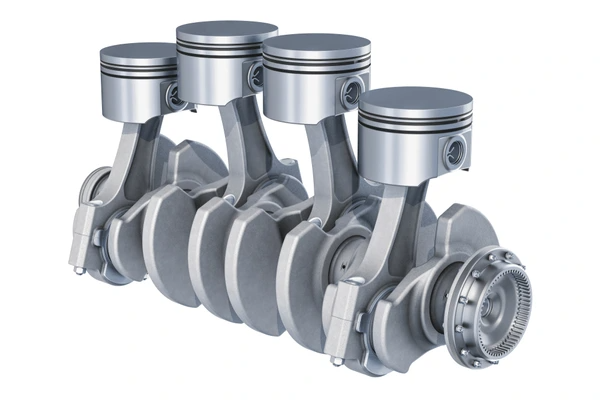
A straight engine is an internal combustion engine where all of the cylinders are arranged in a single row. Because everything sits in one line, the engine has a long, narrow shape instead of a V-shaped or flat layout.
You’ll often hear people call it an inline engine. Both names describe the same basic design.
This layout has powered everything from family cars to luxury sedans, sports cars, trucks, and even industrial machines.
Why Drivers Still Appreciate It
Some automotive designs disappear over time. This one hasn’t.
There are a few reasons people continue to admire it.
Smooth Performance
One thing drivers often notice is how refined the engine feels. Inline six-cylinder versions are especially famous for producing very little vibration.
On long highway drives, that smoothness makes a real difference.
Easier to Work On
Many mechanics enjoy working on inline engines because the components are easier to reach. Spark plugs, injectors, and other parts usually aren’t buried beneath another cylinder bank.
That can make routine maintenance a little less frustrating.
Proven Reliability
Simple engineering often ages well.
Many older vehicles with this layout have remained dependable for decades with nothing more than regular servicing and proper care.
A Few Drawbacks
No engine layout is perfect.
The biggest challenge is size. Since every cylinder sits in one line, the engine becomes longer than other configurations.
That extra length means manufacturers need more space under the hood.
It’s one reason many modern vehicles use V-shaped engines instead, especially compact cars where space is limited.
Straight Engine vs. V Engine
People often compare these two engine layouts, and it’s easy to see why.
A V engine is shorter because its cylinders are split into two angled rows. This makes packaging easier for modern vehicle designs.
A straight engine, however, is known for its balanced operation and mechanical simplicity. Many enthusiasts enjoy its smooth power delivery, while mechanics often appreciate its straightforward construction.
The better choice depends on what the vehicle is designed to do.
Where You’ll Find This Engine Design
Although it’s less common than it once was, this layout hasn’t disappeared.
You’ll still see it in:
- Classic cars
- Luxury sedans
- Performance vehicles
- Heavy-duty trucks
- Industrial equipment
Some manufacturers continue using inline engines because of their balance, durability, and refined driving characteristics.
Simple Maintenance Tips
Like any engine, good maintenance makes a huge difference.
Here are a few habits worth following:
- Change engine oil on schedule.
- Keep the cooling system in good condition.
- Replace air filters when necessary.
- Listen for unusual sounds during driving.
- Follow the manufacturer’s recommended service intervals.
Small maintenance jobs today often prevent expensive repairs tomorrow.
Final Thoughts
The automotive world keeps changing, yet some engineering ideas never lose their value. The straight engine is one of those designs. It offers smooth performance, dependable reliability, and a simple mechanical layout that many enthusiasts continue to appreciate. Whether you’re learning about engines for the first time or simply enjoy understanding how cars work, it’s easy to see why this classic design still earns plenty of respect.
Frequently Asked Questions
Is a straight engine the same as an inline engine?
Yes. Both terms describe an engine with all cylinders arranged in a single row.
Why are inline six engines considered so smooth?
Their natural balance helps reduce vibration, creating a quieter and more comfortable driving experience.
Are straight engines still used today?
Yes. While they’re less common in everyday passenger cars, they’re still found in certain luxury vehicles, performance models, trucks, and industrial equipment.
Which is better: a straight engine or a V engine?
Neither is universally better. A straight engine offers simplicity and smooth operation, while a V engine provides a more compact design that fits easily into many modern vehicles.
Read More Informative Blogs: crawlthestory.com
