

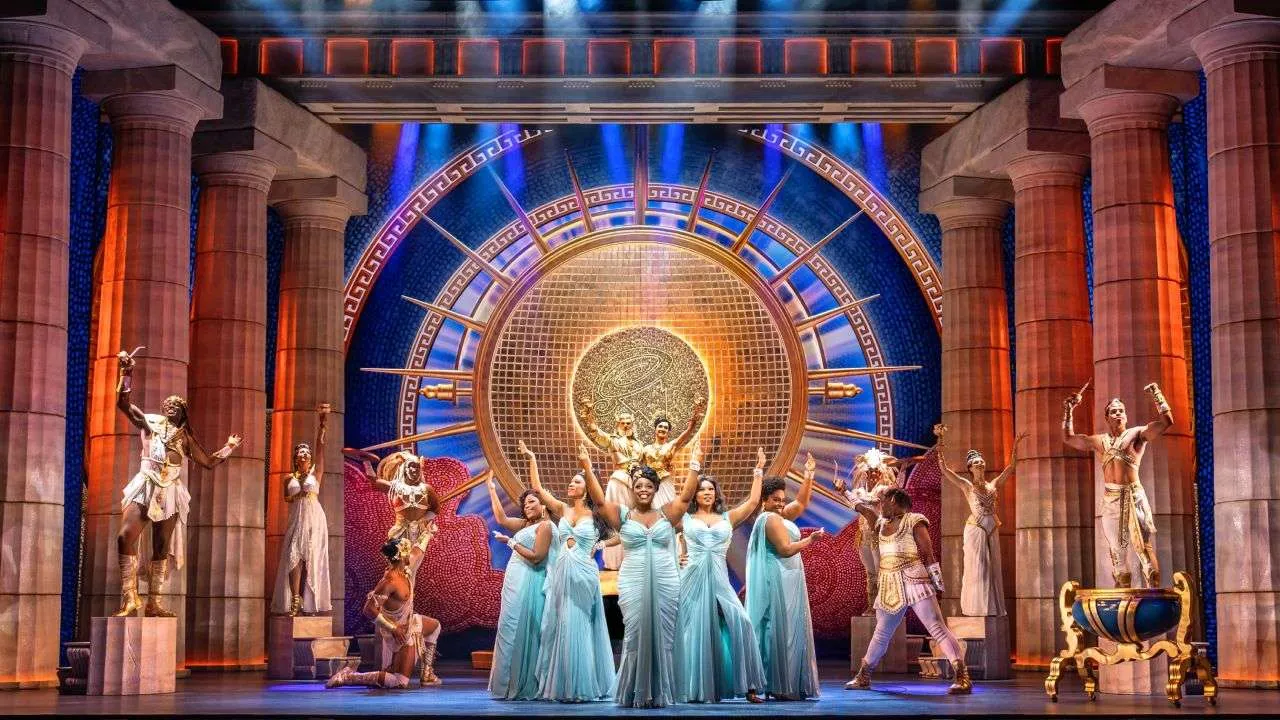
Stage entertainment refers to a broad range of live performances presented directly before an audience in theaters, auditoriums, concert halls, arenas, or other performance spaces. It includes traditional theater, musicals, concerts, dance performances, comedy shows, variety programs, and other forms of live artistic entertainment.
Unlike films, television programs, or prerecorded content, stage productions take place in real time, creating a direct connection between performers and their audience. Through acting, music, movement, storytelling, lighting, costumes, and stage design, live performances create an engaging and memorable experience that can vary from one show to another.
What Is Stage Entertainment?
Stage entertainment is a broad form of entertainment built around live performance. Instead of watching a film, television program, or online video that has already been recorded, audiences experience the performance as it takes place.
The category covers much more than traditional theater. A stage can host dramatic plays, musicals, stand-up comedy, dance performances, concerts, magic shows, variety programs, and productions designed specifically for families or children.
One of the defining characteristics of stage entertainment is the direct relationship between performers and the audience. Actors, singers, musicians, dancers, comedians, and other performers respond to the atmosphere of the room while presenting their work. Even when a production follows a carefully rehearsed script, every performance can have subtle differences.
This combination of preparation and live interaction gives stage performances their distinctive character.
What Types of Performances Are Included?
Stage entertainment encompasses many different formats, allowing audiences to choose experiences based on their interests.
Theater and Drama
Traditional theater uses actors, dialogue, movement, sets, costumes, lighting, and sound to tell a story. Productions can range from classic plays to contemporary dramas and experimental performances.
Musicals
Musical theater combines acting, singing, choreography, music, costumes, scenery, and storytelling. Songs are often an important part of the narrative rather than simply an interruption between scenes.
Dance Performances
Dance productions use movement as their primary storytelling or artistic medium. Ballet, contemporary dance, traditional dance, and other styles can all be presented on stage.
Live Music
Concerts are another major form of stage entertainment. Solo artists, bands, orchestras, choirs, and other musical groups can perform for audiences in theaters, concert halls, arenas, and outdoor venues.
Comedy and Variety Shows
Comedy performances can include stand-up, sketch comedy, improvisation, and theatrical comedy. Variety shows may combine several forms of entertainment, such as music, comedy, dance, magic, and specialty acts.
Family and Children’s Shows
Many productions are designed for younger audiences and families. These may include theatrical adaptations, puppet performances, interactive shows, musical productions, and educational entertainment.
Why Live Stage Entertainment Is Different
The biggest difference between stage entertainment and recorded media is presence.
When an audience attends a live performance, the performers and spectators occupy the same physical environment. The reactions of the audience can influence the atmosphere, while performers communicate directly through voice, expression, movement, timing, and body language.
A recorded production can be edited, repeated, and distributed to millions of people. A stage performance, however, unfolds in a specific place and time.
This creates a sense of occasion. Audience members are not simply consuming content; they are participating in a shared event.
Live performances can also create unexpected moments. A performer may respond to audience laughter, applause, silence, or another reaction. Small variations in timing and delivery can make two performances of the same production feel slightly different.
The People Behind a Stage Production
A successful stage show depends on many people working together. Performers are the most visible part of the production, but a considerable amount of work happens behind the scenes.
| Role | Main Responsibility |
| Performers | Deliver the acting, singing, dancing, comedy, or other live performance |
| Director | Shapes the artistic interpretation and guides the production |
| Producer | Helps oversee financing, organization, scheduling, and production decisions |
| Stage Manager | Coordinates the performance and backstage operations |
| Set Designers | Create the visual environment and scenery |
| Costume Designers | Develop costumes appropriate to the production |
| Lighting Designers | Create lighting that supports the mood and action |
| Sound Team | Manages microphones, music, effects, and audio quality |
| Choreographers | Develop and organize movement and dance |
| Technical Crew | Operates equipment and supports scene changes and special effects |
The exact structure varies according to the size and type of production. A small community performance may involve a relatively small team, while a major theatrical production can require a large cast and extensive technical staff.
How a Stage Show Comes Together
Creating a stage production usually begins with an idea, script, musical work, performance concept, or adaptation. From there, the creative and production teams develop the show.
1. Development and planning:
The production team determines the concept, venue, schedule, budget, and artistic direction.
2. Casting:
Actors, singers, dancers, musicians, or other performers are selected according to the requirements of the production.
3. Rehearsals:
Performers learn dialogue, music, choreography, blocking, and other elements of the show.
4. Technical preparation:
Sets, costumes, lighting, sound, props, and other production elements are prepared and tested.
5. Technical rehearsals:
The creative and technical teams combine the different elements to make sure scenes, lighting cues, sound effects, music, and transitions work together.
6. Performances:
The completed production is presented to a live audience.
Behind a polished performance is therefore a combination of artistic creativity, technical skill, organization, and extensive preparation.
Popular Stage Entertainment Formats
Stage entertainment can be presented in many settings.
Theaters are commonly designed for plays, musicals, dance, and other theatrical productions. Their seating, acoustics, backstage areas, and stage equipment are generally built around live performance.
Concert halls are particularly suited to musical performances and are often designed with acoustics as a major consideration.
Arenas and large venues can accommodate major concerts and productions requiring large audiences, substantial staging, screens, lighting systems, and specialized technical equipment.
Outdoor venues provide another format for live entertainment. Festivals, concerts, cultural performances, and community events can use temporary stages to bring performances to larger public spaces.
The venue itself can influence the audience experience. A small theater may create an intimate atmosphere, while a large arena can emphasize scale and spectacle.
What Audiences Can Expect
The experience of attending stage entertainment begins before the performance itself. Choosing a suitable show often involves considering the type of production, venue, duration, age suitability, seating, and personal interests.
For theater and musicals, reading a brief description of the story can help audiences decide whether the subject appeals to them. For concerts, the performer or musical style may be the most important consideration.
Audience etiquette also contributes to the experience. Arriving on time, keeping phones silent, following venue rules, and avoiding unnecessary disruptions help performers and other audience members enjoy the production.
Some performances are highly interactive, while others expect audiences to remain quiet and attentive throughout. Checking the venue’s guidance beforehand can help avoid confusion.
The Role of Technology in Modern Performances
Technology has become an important part of contemporary stage production.
Advanced lighting systems can change colors, intensity, focus, and movement during a performance. Digital sound equipment can help deliver clear audio across large venues. Video screens and projection systems can create changing backgrounds, visual effects, or additional storytelling elements.
Some productions also incorporate automation, special effects, moving scenery, and sophisticated stage machinery.
Technology, however, does not replace the central element of live entertainment: the performer. Instead, technical systems are generally used to support the storytelling, atmosphere, music, movement, and overall presentation.
How to Choose a Stage Show
With so many forms of stage entertainment available, the right choice depends largely on what the audience wants from the experience.
Consider these factors:
- Performance type: Decide between theater, musical, concert, dance, comedy, or another format.
- Theme or story: Check whether the subject matter interests you.
- Venue: Consider the size, location, accessibility, and atmosphere.
- Length: Some performances are brief, while others include multiple acts or an intermission.
- Audience suitability: Check age recommendations where applicable.
- Seating: Your view and proximity to the stage can affect the experience.
- Production style: Some shows emphasize storytelling, while others focus heavily on music, choreography, visual effects, or spectacle.
A little research before purchasing tickets can make it easier to select a production that matches your expectations.
Frequently Asked Questions
What does stage entertainment mean?
Stage entertainment is live entertainment presented to an audience in a physical performance space. It includes theater, musicals, concerts, dance, comedy, and variety shows.
What is the difference between stage entertainment and film?
Stage entertainment happens live in front of an audience, while film is recorded and edited before viewing. Each live performance can have small differences.
Is theater considered stage entertainment?
Yes. Theater is a major form of stage entertainment, including plays, comedies, dramas, and adaptations.
Are concerts a type of stage entertainment?
Yes. Live concerts are a popular form of stage entertainment performed in theaters, halls, arenas, and outdoor venues.
What happens backstage during a performance?
Backstage teams manage performers, costumes, props, lighting, sound, scenery, and scene changes to keep the show running smoothly.
Why do people enjoy live performances?
Live performances create a shared experience between performers and audiences, with a unique atmosphere and real-time audience interaction.
Can stage entertainment be suitable for children?
Yes. Many shows are designed for children and families. Check the recommended age, themes, and duration before attending.
Conclusion
Stage entertainment brings together storytelling, music, movement, performance, design, and technical production in a live environment. From intimate theatrical productions and comedy shows to large concerts and elaborate musicals, it offers audiences many ways to experience entertainment directly and collectively.
Its enduring appeal comes partly from the fact that every performance exists in a particular moment. The preparation may be extensive and the production carefully planned, but the interaction between performers, venue, and audience makes live entertainment a distinctive experience.
Learn More About: NXIVM Cult
