

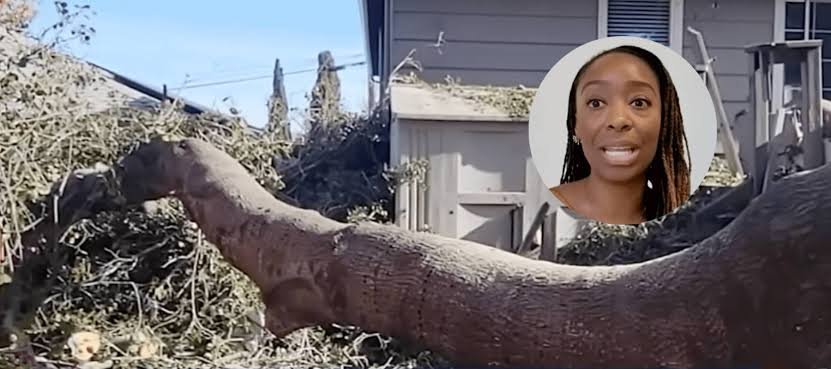
Have you ever looked at a huge tree hanging over your roof and wondered, What if that thing falls one day? It’s one of those worries that most people ignore until something actually happens. A strong storm, heavy rain, or even an old weakened branch can turn a peaceful neighborhood into an expensive repair project overnight.
The situation described by the keyword neighbor’s tree damages angela bereola house is a reminder that trees, while beautiful, can sometimes create unexpected problems between neighbors. When property damage happens, emotions usually run high, and knowing what steps to take can make the whole process much easier.
Why Tree Damage Can Become a Serious Problem
Large trees add shade and improve curb appeal, but they also carry risks. Dead branches, disease, poor maintenance, or severe weather can all cause a tree to fall without much warning.
Imagine waking up after a windy night and finding a massive branch resting across your roof. It isn’t just about fixing shingles. Water damage, broken windows, damaged electrical lines, and insurance claims quickly become part of the conversation.
That’s why homeowners should never ignore warning signs like leaning trunks, cracked limbs, or visible decay.
Common Reasons Trees Damage Nearby Homes
Severe Weather
Strong winds, thunderstorms, and heavy snowfall place enormous pressure on older trees. Even healthy trees can lose large branches during extreme weather.
Lack of Maintenance
Trees need regular pruning. Overgrown branches often become weak over time, increasing the chance of them falling onto nearby property.
Disease or Rot
A tree may look perfectly healthy from the outside while slowly rotting inside. This hidden damage weakens the structure and makes collapse much more likely.
What Should a Homeowner Do First?
If something similar to neighbor’s tree damages angela bereola house happens, staying calm is the first priority.
Start by checking everyone’s safety. If power lines are involved, keep your distance and contact emergency services or the utility company immediately.
After that:
- Take clear photographs of the damage.
- Contact your homeowner’s insurance company.
- Inform your neighbor politely.
- Prevent further damage if it’s safe to do so, such as covering exposed roof areas with a temporary tarp.
Keeping records from the beginning often makes the insurance process much smoother.
Who Is Responsible for the Damage?
This is probably the first question people ask.
The answer depends on local laws and the specific circumstances. In many areas, homeowner’s insurance covers damage caused by a neighbor’s tree if the fall was considered an unexpected event, such as a storm.
Things become more complicated if the tree owner knew the tree was unhealthy but ignored repeated warnings. In those situations, liability may be different, and legal advice could become necessary.
Every case is unique, so checking local regulations and speaking with your insurance provider is usually the safest approach.
Can Neighbor Disputes Be Avoided?
Honestly, yes—at least sometimes.
Many disagreements start because people avoid simple conversations. If you notice a tree leaning toward your property or dropping large branches regularly, bringing it up early can prevent a much bigger problem later.
Most neighbors appreciate respectful communication, especially when safety is involved.
Tips to Reduce Future Tree Risks
A little prevention can save thousands of dollars.
Schedule Regular Tree Inspections
Professional arborists can identify weak limbs, disease, and structural problems before they become dangerous.
Trim Overhanging Branches
Branches extending over roofs should be inspected and trimmed when necessary.
Keep Records
If you’ve previously notified a neighbor about a hazardous tree, keeping copies of messages or emails may be useful if problems arise later.
Review Your Insurance Coverage
Many homeowners don’t realize what their policy covers until they file a claim. Reviewing your coverage before an emergency happens is always a smart move.
Why This Situation Matters
Stories like neighbor’s tree damages angela bereola house remind homeowners that property maintenance isn’t only about appearance. Safety, communication, and regular inspections all play a role in protecting homes from unexpected damage.
No one expects a peaceful afternoon to end with a tree crashing through the roof. Yet these incidents happen every year, especially during severe weather seasons. Being prepared can make a stressful situation far less overwhelming.
Final Thoughts
Tree-related property damage is never something anyone wants to experience. Repairs can be expensive, insurance paperwork takes time, and neighbor relationships may become strained if the situation isn’t handled carefully.
Still, quick action, proper documentation, and respectful communication usually lead to better outcomes. A healthy tree is a wonderful part of any neighborhood, but regular maintenance is what keeps it from becoming a costly surprise.
FAQs
Can I ask my neighbor to remove a dangerous tree?
Yes. If a tree appears unhealthy or poses a clear risk, it’s reasonable to discuss your concerns with your neighbor. If they agree, professional inspection and maintenance can reduce future hazards.
Will homeowner’s insurance cover tree damage?
Many homeowner’s insurance policies cover sudden tree damage caused by storms or other unexpected events. Coverage varies, so it’s important to review your specific policy.
What evidence should I collect after tree damage?
Take photographs, record the date and time, save repair estimates, and document all communication with your insurance company and your neighbor.
How can homeowners prevent tree-related accidents?
Regular inspections, routine pruning, removing dead branches, and addressing signs of disease early are among the best ways to reduce the risk of serious property damage.
Read More Informative Blogs: crawlthestory.com
