

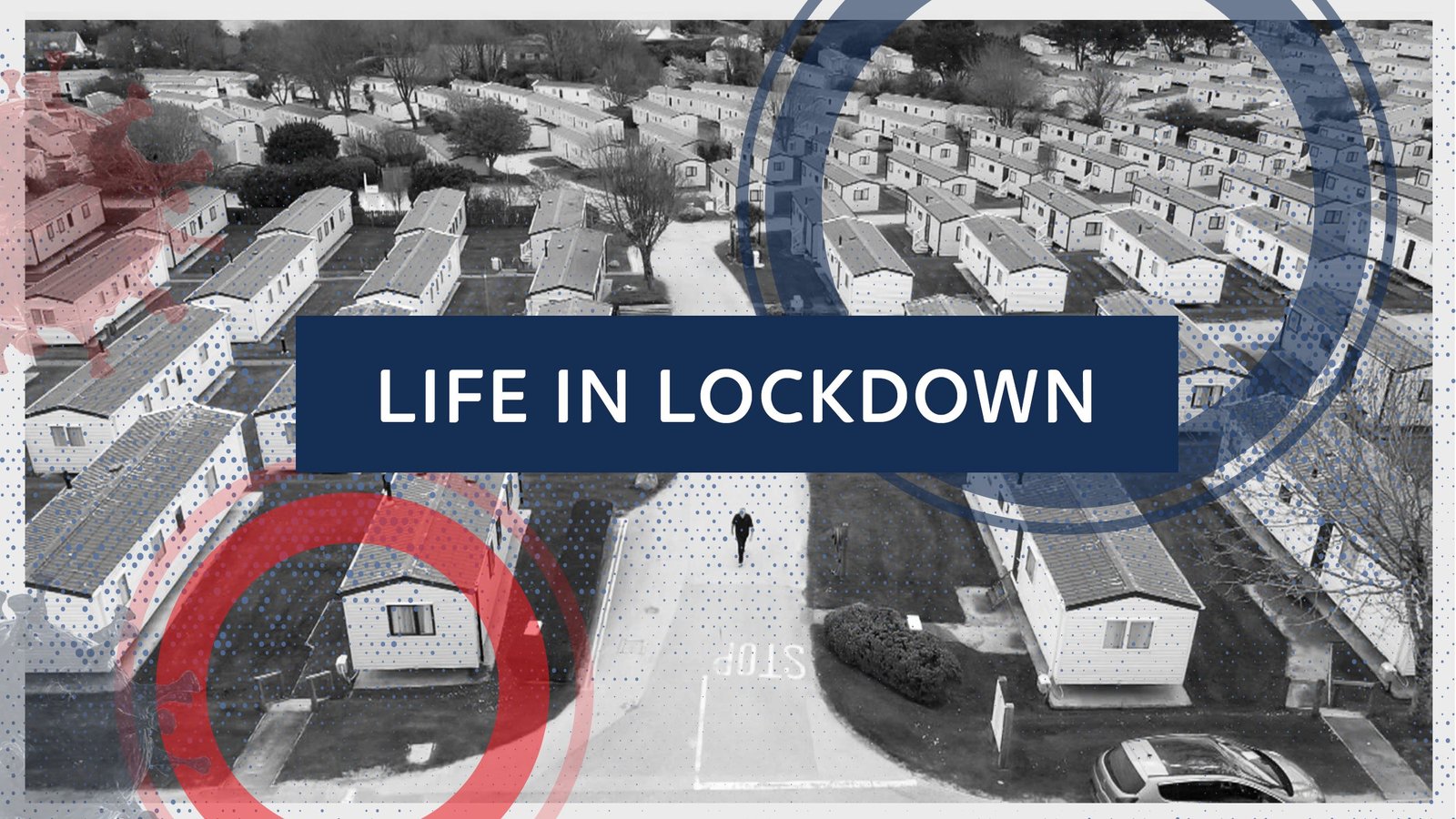
Lockdown life became an unexpected reality for millions of people during the COVID-19 pandemic. Streets became quieter, offices moved into homes, classrooms shifted online, and simple activities such as meeting friends or visiting relatives suddenly required careful planning.
For some people, lockdown brought anxiety, loneliness, financial pressure, and uncertainty. For others, it created an opportunity to slow down, spend more time with family, learn new skills, or develop healthier routines.
Although restrictions varied between countries and changed over time, the experience left a lasting impression on how people think about work, education, technology, relationships, health, and everyday life.
This article explores what lockdown life was like, the major challenges people faced, the positive changes that emerged, and the lessons that can still be useful today.
What Was Lockdown Life Like?
Lockdown life was defined by restrictions designed to reduce physical contact and slow the transmission of COVID-19. Depending on the location and stage of the pandemic, people could face stay-at-home orders, limits on gatherings, school closures, travel restrictions, business closures, and requirements to follow public-health measures.
The experience wasn’t identical for everyone. A person working remotely from a comfortable home had a very different experience from someone working in healthcare, living in crowded housing, caring for children, or facing unemployment.
For many households, the biggest change was the disappearance of the normal separation between work, education, family time, and personal life.
How Lockdowns Changed Daily Routines
Before the pandemic, many daily routines depended on commuting, schools, offices, shopping centers, restaurants, gyms, and social gatherings.
Lockdowns moved much of that activity indoors.
| Area of Life | Common Change During Lockdown |
| Work | Remote and home-based working |
| Education | Online classes and digital learning |
| Shopping | Greater use of online delivery |
| Socializing | Video calls and online communities |
| Exercise | Home workouts and outdoor walks where permitted |
| Entertainment | Streaming, gaming, reading, and hobbies |
| Travel | Major reductions in commuting and tourism |
| Communication | Increased dependence on digital platforms |
Simple routines became important. Getting dressed for work, taking a walk, preparing meals, or setting a regular bedtime helped people create structure when normal schedules disappeared.
Lockdown Life and Remote Work
One of the most significant changes was the rapid expansion of remote work.
Employees who had previously traveled to offices began using video conferencing, cloud-based software, messaging platforms, and digital project-management systems from home.
Remote work offered several advantages:
- No daily commute
- Greater flexibility for some employees
- More time at home
- Reduced office-related expenses
- Wider access to digital collaboration tools
However, it also created problems.
Some workers struggled with unreliable internet, limited workspace, longer working hours, distractions, or difficulty switching off at the end of the day. Parents often had to balance professional responsibilities with childcare and household duties.
The experience also demonstrated that many jobs could be performed effectively outside traditional offices, influencing workplace policies long after lockdown restrictions ended.
Education During Lockdowns
Schools and universities faced major disruption during the pandemic. In many places, students moved from classrooms to online lessons.
Teachers had to adapt quickly to digital platforms, while students needed access to computers, smartphones, reliable internet connections, and suitable learning environments.
Online education offered continuity when physical classrooms weren’t available, but it also exposed significant inequalities.
Challenges for Students
Students could experience:
- Limited interaction with teachers
- Difficulty concentrating at home
- Reduced opportunities for social development
- Technology and internet access problems
- Increased screen time
- Disrupted academic routines
Younger children often required substantial parental support, while older students had to become more independent learners.
The period highlighted the value of digital education while also showing why technology can’t completely replace the social and practical benefits of physical classrooms.
Social Life and Relationships
Perhaps one of the most emotionally difficult aspects of lockdown life was reduced physical contact with other people.
Birthdays, weddings, family gatherings, religious events, vacations, dinners, and casual meetings were disrupted or postponed in many places.
People turned to alternatives such as:
- Video calls
- Online games
- Group chats
- Virtual celebrations
- Social media
- Phone calls
- Online communities
Technology helped people remain connected, but digital communication couldn’t always replace face-to-face interaction.
For people living alone, prolonged isolation could feel particularly difficult. Meanwhile, families living together continuously sometimes experienced a different challenge: limited privacy and fewer opportunities to spend time apart.
Health and Mental Wellbeing
Lockdown life affected physical and emotional wellbeing in different ways.
Changes in routine could lead to less physical activity, irregular sleep, increased screen time, and changes in eating habits. At the same time, uncertainty about health, employment, finances, and the future created stress for many people.
Maintaining basic habits became especially valuable.
Healthy Habits During Periods of Restricted Movement
- Keep a consistent sleep schedule.
- Move regularly throughout the day.
- Spend time outdoors when local rules allow it.
- Stay connected with trusted friends and family.
- Limit excessive exposure to distressing news.
- Make time for hobbies and relaxation.
- Seek professional support when emotional difficulties become overwhelming.
These habits aren’t only useful during lockdowns. They’re practical foundations for wellbeing in ordinary life too.
Entertainment and Hobbies at Home
With cinemas, gyms, restaurants, and other entertainment venues restricted in many locations, people had to find new ways to spend their free time.
Streaming services, video games, podcasts, books, online courses, cooking, gardening, crafts, music, and home workouts became popular ways to fill the extra time at home.
Some people discovered hobbies they continued after restrictions ended.
For example, someone who began baking during lockdown might have developed a lasting interest in cooking. Another person might have started exercising at home and eventually joined a gym or sports club.
This period showed that entertainment doesn’t always require leaving home. However, it also reinforced the importance of maintaining a healthy balance between screen-based and offline activities.
Financial and Economic Challenges
Lockdown life wasn’t simply a lifestyle change. For many people, it created serious financial difficulties.
Businesses dependent on physical customers faced major disruptions. Workers in sectors such as hospitality, tourism, retail, transportation, and entertainment were particularly affected in many economies.
Households could face:
- Reduced income
- Job losses
- Business closures
- Increased financial uncertainty
- Difficulty paying regular expenses
- Changes in spending habits
At the same time, some industries experienced increased demand, including online retail, delivery services, digital communication, cybersecurity, and home technology.
The pandemic therefore created both economic disruption and accelerated changes in certain sectors.
Positive Lessons From Lockdown Life
It’s important not to romanticize lockdown because many people experienced genuine hardship. Still, the period produced several useful lessons.
1. Flexibility Matters
Organizations learned that work and education can sometimes continue through alternative methods when circumstances require adaptation.
2. Technology Can Maintain Connections
Digital communication became a crucial tool for staying connected when physical meetings weren’t possible.
3. Routine Supports Wellbeing
A predictable daily schedule can provide stability during uncertain periods.
4. Community Support Is Important
Neighbors, volunteers, charities, healthcare workers, and community organizations played important roles in supporting vulnerable people.
5. Work-Life Boundaries Matter
Remote work demonstrated the importance of clearly separating professional responsibilities from personal time.
How Lockdown Changed Life After Restrictions
The effects of lockdown didn’t disappear when restrictions ended.
Remote and hybrid work became more accepted in many workplaces. Online shopping and digital services became deeply integrated into everyday life. Video meetings became normal for many businesses, while online learning continued to complement traditional education.
People also became more conscious of hygiene, health information, emergency preparedness, and the importance of maintaining social connections.
Perhaps the biggest lesson was that everyday life can change quickly. Skills such as adaptability, digital literacy, communication, financial planning, and emotional resilience became increasingly valuable.
Key Takeaways
- Lockdown life dramatically changed work, education, socializing, shopping, and entertainment.
- Remote work and digital communication became essential for many people.
- Students and teachers had to adapt rapidly to online education.
- Social isolation and uncertainty created significant emotional challenges.
- Home-based hobbies and routines helped many people manage disrupted schedules.
- Economic effects varied considerably between individuals, industries, and countries.
- The pandemic accelerated long-term adoption of digital and flexible ways of working.
- Maintaining routines, relationships, physical activity, and healthy boundaries can help during periods of uncertainty.
FAQs
What does lockdown life mean?
Lockdown life refers to daily living during restrictions on movement, travel, gatherings, businesses, and schools, particularly during the COVID-19 pandemic.
How did lockdown affect daily life?
It changed how people worked, studied, socialized, shopped, exercised, and spent their free time, with many activities moving into the home.
What were the main challenges of lockdown life?
Common challenges included loneliness, stress, financial uncertainty, disrupted education, reduced physical activity, and difficulty maintaining work-life balance.
How did people stay connected during lockdown?
People stayed connected through phone calls, video chats, social media, messaging apps, online games, and virtual gatherings.
Did lockdown change the way people worked?
Yes. Many businesses adopted remote or hybrid working, making digital communication and online collaboration more important.
What lessons did people learn from lockdown?
Lockdown highlighted the importance of flexibility, healthy routines, digital skills, strong relationships, financial preparation, and community support.
Was lockdown life the same for everyone?
No. People’s experiences varied based on their jobs, finances, housing, family responsibilities, access to technology, and local restrictions.
Conclusion
Lockdown life changed how people worked, studied, socialized, traveled, and spent their free time. Although it brought loneliness, financial pressure, and uncertainty, it also encouraged people to adapt and stay connected through technology.
The experience highlighted the importance of healthy routines, strong relationships, flexibility, and resilience. These lessons continue to be valuable when facing unexpected challenges.
Learn About: 10 Weeks From Today
