

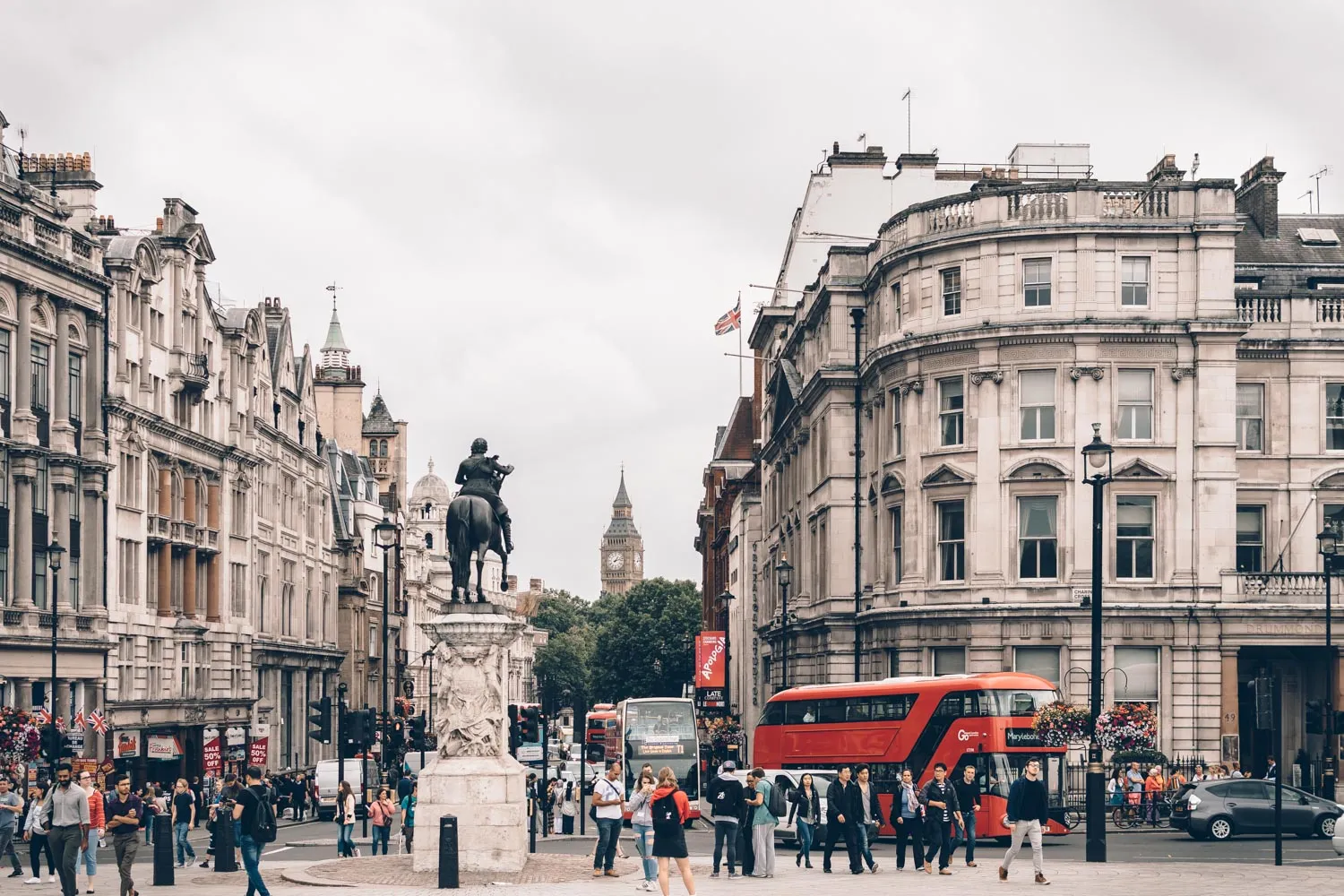
London is more than a historic capital and major business centre. It is a city shaped by the millions of people who live, work, study, and build their lives there. The inhabitants of London come from a remarkably wide range of cultural, ethnic, linguistic, and social backgrounds.
Understanding London’s population helps explain why the city feels different from many other parts of the United Kingdom. Each borough has its own character, communities, traditions, housing patterns, and economic profile.
From historic neighbourhoods in central London to rapidly growing communities in outer boroughs, the city’s residents contribute to its constantly changing identity. This guide explores London’s population, diversity, origins, languages, boroughs, and everyday life.
Who Are the Inhabitants of London?
The inhabitants of London are commonly called Londoners. They include people who were born in the city as well as residents who moved to London from elsewhere in Britain or from other countries.
London’s population includes:
- Families who have lived in the city for generations
- People who have moved from other parts of England, Scotland, Wales, or Northern Ireland
- International migrants and their families
- Students from the UK and overseas
- Professionals working in finance, technology, healthcare, education, media, and other industries
- Retirees and long-term residents
This mixture gives London its distinctive social and cultural identity.
How Many People Live in London?
Greater London has a population of approximately 9 million people, although the exact figure varies depending on the year and population estimate being used.
It is important to distinguish Greater London from the City of London. The City of London is a small historic district at the heart of the capital, while Greater London covers 32 London boroughs plus the City of London.
The wider Greater London area is therefore the more useful geographical definition when discussing the city’s population.
Why London’s Population Matters
A large population supports London’s role as a major centre for:
- Business and finance
- Tourism
- Higher education
- Arts and entertainment
- International trade
- Technology and innovation
- Healthcare and research
The size and diversity of its population also create demand for extensive public transport, housing, schools, hospitals, and other services.
London’s Cultural Diversity
One of the most notable characteristics of London is its cultural diversity.
London is home to communities with roots in Europe, Asia, Africa, the Middle East, the Caribbean, and many other regions. This diversity can be seen in neighbourhoods, restaurants, shops, festivals, places of worship, schools, music, and local businesses.
For example, areas such as Southall, Brixton, Chinatown, and parts of East London have developed strong cultural identities influenced by different migrant communities.
This does not mean that every neighbourhood has a single cultural identity. London’s communities frequently overlap, creating a complex and constantly evolving urban culture.
Where Do London’s Residents Come From?
A significant proportion of London’s residents were born outside the United Kingdom. At the same time, millions of Londoners were born in the UK.
This combination makes London both distinctly British and strongly international.
International Communities
Some of the city’s major international communities have historical connections with countries such as:
- India
- Pakistan
- Bangladesh
- Ireland
- Nigeria
- Poland
- Romania
- Jamaica
- Ghana
- China
- France
- Italy
- Portugal
- Turkey
The exact size of each community changes over time as migration patterns, birth rates, and economic conditions change.
London’s international population also plays an important role in its economy. Migrants contribute skills, entrepreneurship, cultural knowledge, and labour across many industries.
Population Across London’s Boroughs
Greater London is divided into 32 boroughs, alongside the separate City of London.
Population density and demographics vary considerably between them. Central areas tend to have high concentrations of businesses, offices, cultural attractions, and apartments, while outer London includes larger residential areas and more suburban neighbourhoods.
Some boroughs are particularly densely populated, while others have more open space and lower population density.
Why Boroughs Matter
The borough system is important because local government services are largely organised at this level.
Each borough deals with areas such as:
- Housing and planning
- Local education services
- Waste collection
- Social care
- Libraries
- Parks and public spaces
- Local community programmes
As a result, the experience of living in London can differ substantially depending on the borough.
Languages Spoken in London
English is the main language of London, but the city is linguistically diverse.
Residents speak hundreds of languages and dialects at home and within their communities. Commonly spoken languages besides English include languages such as Polish, Bengali, Gujarati, French, Portuguese, Urdu, Arabic, Spanish, and Turkish.
This linguistic diversity reflects London’s international population.
It is also visible in local businesses and public spaces, where multilingual signs, newspapers, community organisations, and cultural events are common.
London as an International City
London’s population is closely connected to its position as a global city.
People move to London for many reasons, including:
- Employment: London has a large job market across numerous industries.
- Education: The city has internationally recognised universities and colleges.
- Business: London is a major centre for finance, technology, professional services, and international companies.
- Culture: Museums, theatres, music venues, galleries, and sporting events attract people from around the world.
- Family and community: Existing communities can make it easier for newcomers to establish social connections.
This international character makes London attractive to people with very different backgrounds and ambitions.
How London’s Population Has Changed
London’s population has changed dramatically throughout its history.
During the Industrial Revolution, the city expanded rapidly as people moved from rural areas and other parts of Britain in search of employment.
Later, international migration became an increasingly important part of London’s demographic development. Communities from the Commonwealth, Europe, Asia, Africa, and the Caribbean helped shape modern London.
Population growth has not been completely consistent. London’s population has risen and fallen at different points because of economic conditions, housing costs, migration, birth rates, and changes in where people choose to live.
Today, London remains a dynamic city where population patterns continue to evolve.
Everyday Life for London Residents
Life for the inhabitants of London can vary significantly.
Some residents live in central apartments close to workplaces and cultural attractions. Others live in outer boroughs where neighbourhoods have a more suburban character.
Public transport is an important part of daily life. The London Underground, buses, Overground services, rail networks, cycling infrastructure, and walking routes connect residents with employment and education centres.
However, London also faces challenges.
Housing
Housing affordability is one of the biggest concerns for many Londoners. High property prices and rents can make it difficult for residents to find suitable accommodation, particularly in central areas.
Cost of Living
The cost of living can also be relatively high compared with many other parts of the UK. Transport, housing, food, and everyday services can place pressure on household budgets.
Employment Opportunities
On the other hand, London’s large economy offers employment opportunities across a wide range of sectors. Residents can work in areas ranging from hospitality and retail to medicine, law, finance, technology, construction, education, and creative industries.
What Makes London’s Inhabitants Unique?
There is no single type of Londoner.
A person who grew up in East London may have a very different experience from someone who moved to the capital from Manchester, Warsaw, Lagos, Delhi, or Paris.
Yet many residents share characteristics associated with city life: adaptability, independence, cultural awareness, and familiarity with people from different backgrounds.
This mixture is one of London’s greatest strengths.
Key Takeaways
- Londoners is the common term for the inhabitants of London.
- Greater London has a population of roughly 9 million people.
- London is one of the UK’s most culturally and linguistically diverse cities.
- Its residents include people born in the UK and large international communities.
- Greater London contains 32 boroughs plus the City of London.
- English is the main language, but hundreds of other languages are spoken.
- Housing costs and the cost of living are major challenges for many residents.
- London’s diverse population supports its role as a global centre for business, education, culture, and tourism.
FAQs
1. What are the inhabitants of London called?
The inhabitants of London are commonly called Londoners.
2. How many inhabitants does London have?
Greater London has a population of roughly 9 million people, although official estimates vary depending on the year and methodology.
3. Is London a multicultural city?
Yes. London is highly multicultural, with residents from many countries and communities around the world.
4. What languages do inhabitants of London speak?
English is the main language, but London residents speak hundreds of other languages, including Polish, Bengali, Gujarati, French, Portuguese, Urdu, Arabic, Spanish, and Turkish.
5. How many boroughs are there in London?
Greater London has 32 London boroughs, plus the separate City of London.
6. Are most Londoners born in London?
No. London’s population includes people born in London, elsewhere in the UK, and overseas. A substantial proportion of residents were born outside the UK.
7. Why do people move to London?
People move to London for employment, education, business, family connections, cultural opportunities, and access to its large and diverse economy.
Conclusion
The inhabitants of London are central to what makes the capital distinctive. London is a city where long-established families live alongside newcomers from across Britain and the world.
Its population is diverse in nationality, language, culture, age, profession, and lifestyle. While residents face challenges such as expensive housing and a high cost of living, the city’s large economy and cultural opportunities continue to attract people from many backgrounds.
Ultimately, London’s identity is not defined only by its landmarks or history. It is shaped every day by the millions of Londoners who live, work, study, and contribute to the city.
Learn About: Abroad Holiday Deals
