

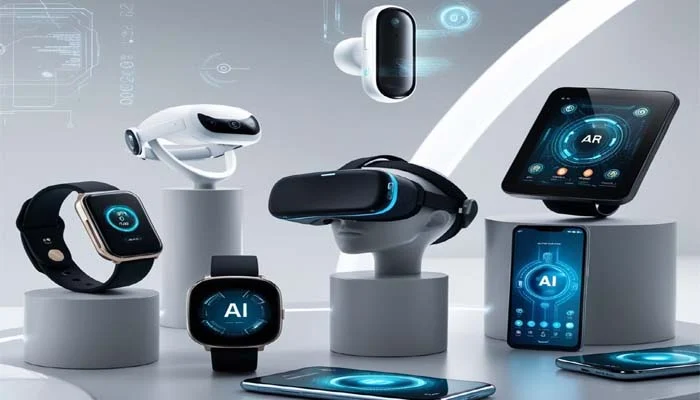
Technology is now an essential part of everyday life, influencing how people communicate, work, learn, shop, manage finances, travel, and stay entertained. From smartphones and laptops to smart home systems and wearable devices, gadgets and technology have become increasingly integrated into homes, workplaces, classrooms, and vehicles.
Modern gadgets have also changed what people expect from their devices. A smartphone, for example, is no longer limited to making calls. It can function as a high-quality camera, navigation system, digital payment tool, entertainment device, fitness tracker, and personal assistant—all from a single compact device.
As innovation continues, understanding gadgets and technology trends can help consumers choose devices that offer the right combination of performance, convenience, security, and long-term value.
What Are Gadgets and Technology?
Gadgets are electronic or mechanical devices designed to perform specific functions or make everyday activities easier. Technology is a broader concept that includes the systems, software, hardware, networks, and innovations used to solve problems and improve how people live and work.
Common examples include:
- Smartphones and tablets
- Laptops and desktop computers
- Smartwatches and fitness trackers
- Wireless earbuds and headphones
- Smart TVs and streaming devices
- Gaming consoles
- Smart home equipment
- Digital cameras
- Electric vehicles
- AI-powered devices
These products often work together through wireless networks, cloud services, mobile applications, and connected ecosystems.
For readers interested in the wider relationship between scientific developments and modern innovation, technology and science provide useful context for understanding how new ideas eventually become practical products.
Popular Types of Modern Gadgets
Smartphones and Tablets
Smartphones remain among the most widely used technology products. Modern models offer high-quality cameras, powerful processors, biometric security, fast connectivity, and applications for almost every purpose.
Tablets provide a larger screen while remaining more portable than traditional computers. They’re commonly used for education, entertainment, digital reading, creative work, and communication.
Laptops and Computers
Computers continue to be essential for businesses, students, developers, designers, researchers, and content creators. Improvements in processors, displays, storage, and battery efficiency have made modern laptops faster while allowing them to remain relatively lightweight.
Cloud computing has also changed how people use computers. Instead of keeping every file locally, users can access documents, photos, applications, and other information through online services.
Wearable Technology
Smartwatches and fitness trackers have developed far beyond basic timekeeping. Many devices can display notifications, track physical activity, monitor sleep patterns, provide navigation, and connect with smartphones.
Wearables are especially useful for people who want quick access to information without constantly checking their phones.
Smart Home Devices
Smart home technology includes connected lights, speakers, thermostats, cameras, locks, appliances, and other household equipment.
These devices can often be controlled through smartphone applications or voice commands. A connected home can make routine tasks more convenient while helping users manage energy consumption and security.
Entertainment and Gaming Gadgets
Gaming consoles, portable gaming devices, streaming boxes, smart TVs, headphones, and virtual reality equipment have transformed digital entertainment.
Better graphics, faster internet connections, improved displays, and wireless accessories have created more immersive experiences for users.
How Technology Is Improving Everyday Life
One of the biggest advantages of modern gadgets is convenience. Tasks that previously required several separate tools can now be completed with one connected device.
For example, a smartphone can replace a physical map, calculator, camera, music player, alarm clock, and payment card in many situations.
Technology also supports productivity. Digital calendars, collaboration platforms, video conferencing tools, project-management software, and cloud storage allow people to work together even when they’re in different locations.
Education has benefited as well. Students can access digital libraries, online courses, educational applications, research databases, and interactive learning resources from computers and mobile devices.
Communication is another major area of change. Messaging applications, video calls, social platforms, and email allow people to communicate instantly across long distances.
Important Technology Trends
Artificial Intelligence
Artificial intelligence is becoming increasingly common in consumer technology. AI can help smartphones improve photographs, recommend content, recognize speech, translate languages, organize information, and automate certain tasks.
AI is also being incorporated into computers, search tools, smart home systems, vehicles, and customer-service platforms.
Internet of Things
The Internet of Things, commonly called IoT, connects physical devices to the internet so they can exchange information.
Smart thermostats, connected appliances, wearable devices, security cameras, and industrial sensors are examples of IoT technology.
Faster Connectivity
Wireless connectivity continues to improve. Faster mobile networks and modern Wi-Fi standards support activities such as video streaming, cloud gaming, remote work, connected vehicles, and smart-home applications.
Sustainable Technology
Environmental concerns are influencing the development of new gadgets. Manufacturers are focusing more attention on energy efficiency, longer product lifespans, repairability, recycled materials, and improved battery technology.
The battery is particularly important because it directly affects how portable devices perform. Improvements in battery chemistry and energy storage can influence everything from smartphones and laptops to electric vehicles and industrial systems.
For a deeper look at developments in battery technology and energy storage, the CATL batteries topic offers additional insight into one of the major areas shaping modern electronic and electric technologies.
Benefits of Modern Gadgets
Modern gadgets can provide several practical advantages.
Convenience
Connected devices reduce the number of separate tools people need for everyday tasks.
Productivity
Computers, smartphones, cloud applications, and collaboration tools can help users organize work and communicate efficiently.
Entertainment
Streaming platforms, gaming systems, smart TVs, wireless audio products, and portable devices provide entertainment almost anywhere.
Connectivity
Modern technology makes it easier to stay connected with family, friends, colleagues, customers, and online communities.
Accessibility
Technology can also make information and services easier to access. Features such as voice control, screen readers, captions, text enlargement, and speech-to-text tools can support people with different needs.
Things to Consider Before Buying a Gadget
Buying the newest device isn’t always the best decision. A product should match the user’s actual needs.
Before purchasing a gadget, consider:
- Purpose: What problem will the device solve?
- Performance: Is the processor, memory, or hardware suitable for your tasks?
- Battery life: How long can it operate between charges?
- Compatibility: Will it work with your existing devices and software?
- Security: Does the manufacturer provide regular software and security updates?
- Durability: Is the product designed for long-term use?
- Repairability: Can important components be repaired or replaced?
- Total cost: Are there subscriptions, accessories, or maintenance costs?
A slightly older device with reliable performance may provide better value than an expensive new model with features the buyer won’t use.
The Importance of Security and Privacy
As gadgets become more connected, security deserves more attention. Smart devices can store personal information, account details, photographs, location data, and other sensitive information.
Users should take basic precautions such as:
- Using strong and unique passwords
- Enabling multi-factor authentication where available
- Installing software updates
- Downloading applications from trusted sources
- Reviewing app permissions
- Avoiding unknown links and suspicious downloads
- Securing home Wi-Fi networks
Privacy settings should also be reviewed regularly. A convenient feature isn’t necessarily worth enabling if it requires unnecessary access to personal information.
Future of Gadgets and Technology
The future of consumer technology will likely focus on making devices more intelligent, connected, efficient, and easier to use.
AI will continue to influence how people interact with computers and other devices. Voice interfaces, automated recommendations, personalized software, and intelligent assistants may become more deeply integrated into everyday products.
Wearable technology could also become more capable, while smart home systems may communicate more effectively with each other.
Battery development will remain important as manufacturers build thinner mobile devices, more powerful computers, electric vehicles, and other energy-dependent products.
At the same time, consumers are likely to pay greater attention to sustainability, privacy, security, repairability, and the long-term value of technology.
Key Takeaways
- Gadgets are practical devices that use technology to perform specific tasks.
- Smartphones, computers, wearables, smart home products, and entertainment devices are major technology categories.
- AI, IoT, faster connectivity, and sustainable design are important technology trends.
- Battery technology plays an important role in portable and electric devices.
- Consumers should consider performance, security, compatibility, durability, and cost before buying.
- Privacy and software updates are increasingly important as more devices become connected.
- Future gadgets are likely to become smarter, more efficient, and more interconnected.
FAQs
1. What are gadgets and technology?
Gadgets are devices that make everyday tasks easier, such as smartphones, laptops, and smartwatches.
2. Why are gadgets important?
They make communication, work, learning, and entertainment more convenient.
3. What are current technology trends?
AI, smart devices, wearables, IoT, and sustainable technology are major trends.
4. How do I choose a gadget?
Consider its purpose, performance, battery life, price, and compatibility.
5. Are smart gadgets safe?
Yes, but use strong passwords, updates, and privacy settings to stay secure.
6. Why is battery technology important?
It affects how long devices work and how quickly they recharge.
Conclusion
Gadgets and technology continue to change how people work, communicate, learn, and relax. From everyday smartphones to AI-powered systems and connected homes, technology is becoming more integrated into daily routines.
The best technology isn’t always the newest or most expensive. A useful device is one that meets a person’s needs, performs reliably, protects their information, and provides good long-term value. As innovation continues, consumers who understand both the benefits and limitations of modern technology can make smarter choices.
