

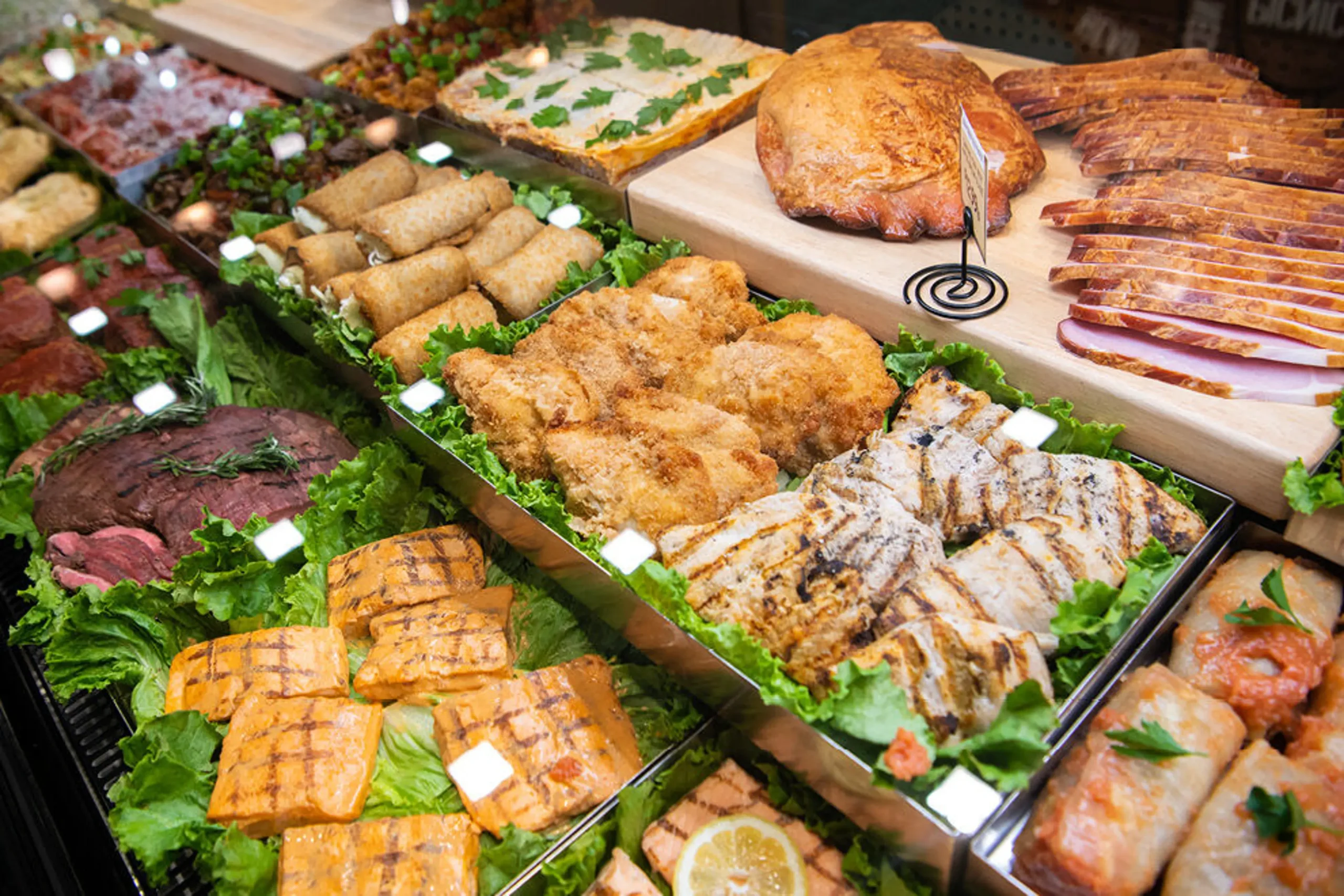
A few months ago, I stopped by an international grocery store because I needed soy sauce for dinner. That was the plan, anyway. Twenty minutes later, I was comparing Turkish coffee, picking up fresh naan, and wondering whether I should finally learn how to cook Thai curry from scratch.
That’s the thing about a foods international market. You don’t just shop there—you explore. Every aisle tells a different story, and every product has a place in someone’s family tradition.
Whether you love cooking or simply enjoy trying something new, these markets offer an experience that’s hard to match.
What Is a Foods International Market?
A foods international market is a grocery store that brings together food products from different countries and cultures. Instead of carrying only local brands, these stores stock authentic ingredients, imported snacks, frozen meals, fresh vegetables, spices, sauces, and beverages from around the world.
You might find Japanese noodles beside Mexican tortillas, Italian pasta near Indian spices, and Korean sauces just a few shelves away.
It makes everyday grocery shopping feel a little more exciting.
Why People Love Shopping at International Grocery Stores
Food connects people in a way few things can.
Some shoppers visit because they miss the flavors they grew up with. Others want to recreate dishes they tasted while traveling. And then there are curious cooks who simply enjoy experimenting with something different every weekend.
I’ve met people who discovered their favorite dessert by picking up a package they couldn’t even read. Sometimes the best finds happen by accident.
Fresh Ingredients Make a Big Difference
One reason many people choose international grocery stores is the quality and variety of fresh ingredients.
Fruits and Vegetables You Won’t Always Find Elsewhere
Depending on the season, you may discover:
- Dragon fruit
- Bok choy
- Fresh okra
- Cassava
- Plantains
- Thai basil
These ingredients bring authentic flavor to recipes that simply don’t taste the same with substitutes.
A Better Selection of Herbs and Spices
The spice section is often worth the trip alone.
You’ll usually find:
- Turmeric
- Garam masala
- Sumac
- Whole cinnamon sticks
- Star anise
- Smoked paprika
Fresh spices add depth and aroma that can completely change a meal.
International Foods Don’t Always Cost More
People sometimes assume imported food comes with a high price tag.
That isn’t always true.
Many international grocery stores offer excellent prices on rice, beans, lentils, noodles, cooking oils, frozen vegetables, and spices. Since these products are popular with regular shoppers, stores often keep prices competitive.
If you cook at home often, you may actually spend less.
More Than Groceries—It’s a Cultural Experience
Walking through different sections of the store feels like visiting several countries in one afternoon.
You’ll hear different languages, discover unfamiliar ingredients, and notice cooking traditions that might be completely new to you.
That’s one reason I enjoy browsing without a shopping list sometimes. There’s always something unexpected waiting around the next corner.
Tips Before Your First Visit
Come With an Open Mind
You don’t have to know every ingredient.
Trying one new product each visit is a fun way to discover flavors you might never have considered before.
Ask the Staff
Many employees know their products extremely well.
If you’re unsure how to use a spice or prepare a vegetable, don’t be shy about asking. I’ve received some fantastic cooking tips just by starting a conversation.
Start Small
It’s tempting to buy everything.
But it’s smarter to pick up one or two new ingredients, learn how to use them, and then come back for more.
Why These Markets Continue to Grow
Global food culture has changed a lot over the last decade.
People watch cooking videos from every corner of the world, follow international chefs online, and enjoy recreating restaurant meals at home. That growing curiosity has made the foods international market more popular than ever.
These stores give shoppers access to authentic ingredients while helping local communities stay connected to their cultural traditions.
Final Thoughts
Some grocery trips are just about checking items off a list.
Others become little adventures.
That’s exactly what keeps me coming back to international food markets. There’s always a new flavor to discover, a recipe to try, or an ingredient that inspires the next meal.
If you enjoy cooking—or even if you’re just curious—you’ll probably leave with more than groceries. You’ll leave with ideas, stories, and maybe even a new favorite dish.
Frequently Asked Questions
What products can I find at a foods international market?
Most stores sell imported groceries, fresh produce, frozen foods, spices, sauces, beverages, snacks, bakery items, seafood, meat, and specialty ingredients from different countries.
Are foods international markets good for authentic cooking?
Yes. These stores usually carry genuine ingredients that make traditional recipes taste much closer to their original versions.
Are international grocery stores expensive?
Not necessarily. Many staple items, including rice, noodles, beans, spices, and vegetables, are often reasonably priced compared to large supermarket chains.
Is it okay to shop there even if I’m new to international cooking?
Absolutely. Start with simple recipes, ask for recommendations, and enjoy discovering new ingredients at your own pace. That’s part of the fun.
Read More Informative Blogs: crawlthestory.com
