

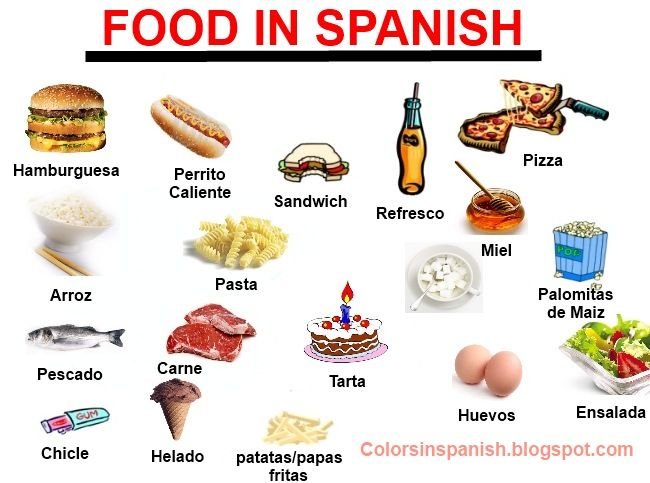
Have you ever walked into a Mexican or Spanish restaurant, looked at the menu, and realized you recognized only a few words? I’ve been there. The funny part is that many food names sound familiar once you know what they mean, and learning them makes ordering meals or even grocery shopping in Spanish-speaking places much easier.
The best thing? You don’t need to memorize hundreds of words at once. Start with the foods you eat every day, and you’ll be surprised how quickly they stick.
Why Learn Food Names in Spanish?
Food is part of everyday life. Whether you’re traveling, learning a new language, or chatting with Spanish-speaking friends, knowing common food vocabulary makes conversations feel more natural.
I noticed that once I learned a few simple words, I started recognizing them everywhere—restaurant menus, cooking videos, supermarket labels, and even travel blogs.
That’s why understanding foods in spanish language can be one of the easiest and most practical parts of learning Spanish.
Common Food Names in Spanish
Here are some everyday foods you’ll hear often.
| English | Spanish |
| Bread | Pan |
| Rice | Arroz |
| Cheese | Queso |
| Chicken | Pollo |
| Fish | Pescado |
| Meat | Carne |
| Egg | Huevo |
| Milk | Leche |
| Butter | Mantequilla |
| Sugar | Azúcar |
| Salt | Sal |
| Water | Agua |
These are the kinds of words you’ll come across almost every day.
Fruits in Spanish
Fresh fruit names are among the first vocabulary many learners remember.
- Apple – Manzana
- Banana – Plátano
- Orange – Naranja
- Strawberry – Fresa
- Grapes – Uvas
- Watermelon – Sandía
- Mango – Mango
- Pineapple – Piña
- Lemon – Limón
- Pear – Pera
If you’re shopping at a local market, these words become incredibly useful.
Vegetables You Should Know
Vegetables are just as common in daily conversations.
- Tomato – Tomate
- Potato – Papa
- Onion – Cebolla
- Carrot – Zanahoria
- Lettuce – Lechuga
- Corn – Maíz
- Spinach – Espinaca
- Cucumber – Pepino
- Garlic – Ajo
- Pepper – Pimiento
You don’t have to learn them all in one day. Pick five and use them during the week.
Spanish Words for Breakfast Foods
Breakfast is usually simple, so the vocabulary is easy to remember.
Popular Breakfast Items
- Eggs – Huevos
- Toast – Tostada
- Coffee – Café
- Tea – Té
- Cereal – Cereal
- Yogurt – Yogur
- Juice – Jugo
If you ever visit Spain or Latin America, these words will come in handy first thing in the morning.
Restaurant Vocabulary You’ll Hear Often
Menus often include words beyond the food itself.
- Breakfast – Desayuno
- Lunch – Almuerzo
- Dinner – Cena
- Dessert – Postre
- Soup – Sopa
- Salad – Ensalada
- Drink – Bebida
- Menu – Menú
- Bill – Cuenta
Knowing these simple terms makes dining out much less stressful.
Easy Ways to Remember Food Vocabulary
Honestly, memorizing long lists never worked for me.
Instead, I started changing the language on recipe videos and reading ingredient labels while cooking. It felt less like studying and more like part of my day.
A few ideas that actually help:
- Label food items around your kitchen.
- Watch Spanish cooking videos with subtitles.
- Practice while grocery shopping.
- Learn words in small groups instead of huge lists.
- Repeat them during meals.
Little habits usually beat long study sessions.
Food Is Part of Culture
Learning food words isn’t only about translation.
Every country has its own favorite dishes and traditions. Spain is famous for paella, while Mexico is known for tacos and tamales. Argentina has incredible grilled meat, and Colombia has delicious arepas.
When you understand food vocabulary, you also understand a small piece of the culture behind it. That makes learning much more enjoyable.
Building Your Vocabulary Step by Step
Nobody becomes fluent overnight.
Start with foods you already eat every week. Once those become familiar, move on to fruits, vegetables, drinks, desserts, and restaurant phrases.
Before long, you’ll notice yourself recognizing words without even thinking about them. That’s usually the point where language learning starts becoming fun instead of feeling like homework.
And that’s really the value of learning foods in spanish language—it connects language with something you already experience every single day.
FAQs
What are the easiest Spanish food words for beginners?
Start with simple words like pan (bread), agua (water), arroz (rice), queso (cheese), leche (milk), and pollo (chicken). They’re common and easy to remember.
Why should I learn food vocabulary first?
Food comes up in everyday conversations, restaurants, grocery stores, and travel. It’s practical vocabulary you’ll use often.
Are food names the same in every Spanish-speaking country?
Many are the same, but some words change depending on the country. For example, potatoes may be called papas in many places, while local expressions can differ.
How can I remember Spanish food names faster?
Practice while cooking, shopping, or watching recipe videos. Seeing the words in real situations makes them easier to remember.
Is learning foods in spanish language helpful for travelers?
Absolutely. It helps you read menus, order meals confidently, ask about ingredients, and enjoy local food experiences without feeling lost.
Read More Informative Blogs: crawlthestory.com
