

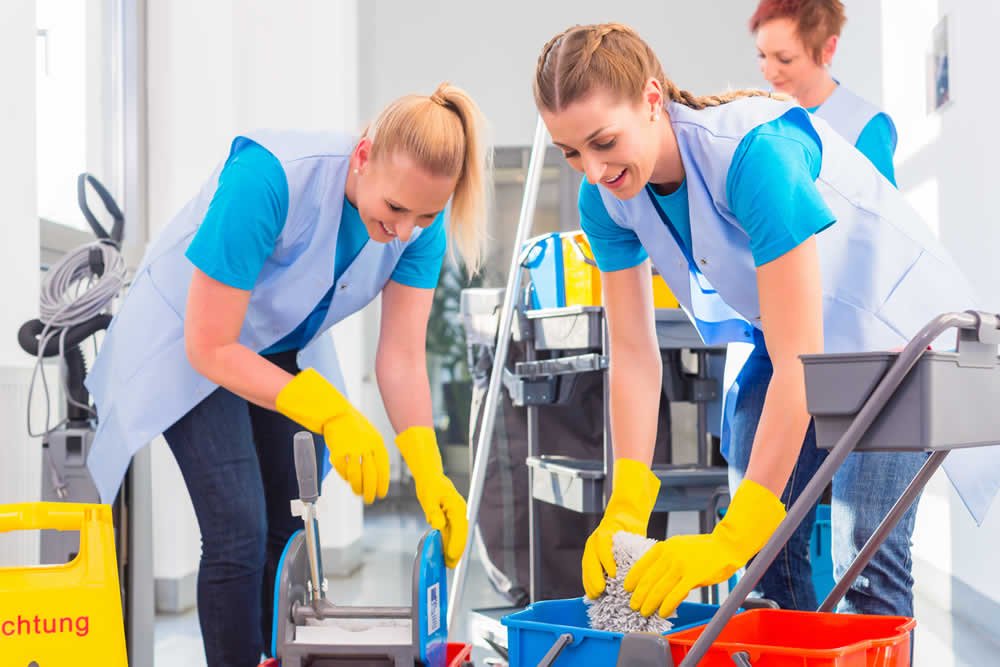
A cleaning business can be a practical opportunity for entrepreneurs who want to enter the service industry. Homes, offices, rental properties, shops, and commercial buildings all require regular cleaning, creating ongoing demand for dependable service providers.
The business can also be started on a small scale. An entrepreneur may begin by serving residential customers with basic equipment and gradually expand into commercial contracts, specialized cleaning, and larger service areas.
But having demand isn’t enough. A profitable cleaning company needs proper planning, reliable workers, sensible pricing, good customer service, and efficient daily operations.
Whether you’re thinking about starting your first cleaning company or looking for ways to improve an existing one, this guide covers the key areas that can help you build a stronger and more sustainable business.
What Is a Cleaning Business?
A cleaning business offers professional cleaning and maintenance services to individuals, families, landlords, property managers, and organizations.
Depending on its business model, a company may provide one-time services, recurring appointments, or long-term commercial contracts.
Common customers include:
- Homeowners
- Tenants
- Offices
- Retail stores
- Property managers
- Landlords
- Vacation-rental owners
- Construction companies
- Commercial facilities
Recurring services can be particularly valuable because customers may schedule cleaning weekly, biweekly, or monthly.
Popular Types of Cleaning Services
Choosing the right services is one of the first decisions you should make.
Residential Cleaning
Residential cleaning focuses on houses, apartments, and other living spaces. Typical services include:
- General house cleaning
- Kitchen and bathroom cleaning
- Dusting
- Vacuuming
- Floor cleaning
- Deep cleaning
- Move-in cleaning
- Move-out cleaning
This model can be suitable for new entrepreneurs because the initial equipment requirements may be relatively simple.
Commercial Cleaning
Commercial cleaning serves businesses and organizations. Depending on the property, services can include office cleaning, restroom maintenance, floor care, waste removal, and common-area cleaning.
Commercial contracts can provide recurring revenue, although clients may have stricter service standards and scheduling requirements.
Specialized Cleaning
Specialized cleaning allows businesses to focus on particular customer needs.
Examples include:
- Carpet cleaning
- Window cleaning
- Upholstery cleaning
- Post-construction cleaning
- Pressure washing
- Industrial cleaning
- Rental-property cleaning
You don’t need to offer every service from the beginning. Start with services you can deliver consistently and expand when customer demand supports it.
How to Start a Cleaning Business
1. Research the Local Market
Before spending money on equipment or advertising, research your local market.
Look at competing companies and compare:
- Their services
- Service areas
- Customer reviews
- Pricing structures
- Online presence
- Customer complaints
- Specializations
This can help you identify gaps in the market.
For example, if many competitors provide general house cleaning but few specialize in move-out cleaning for rental properties, that could be an opportunity.
2. Define Your Services
Create a clear service menu. Customers should understand exactly what is included in each package.
You could offer:
| Service | Typical Customer |
| Standard home cleaning | Homeowners |
| Deep cleaning | Homes needing detailed cleaning |
| Move-out cleaning | Tenants and landlords |
| Office cleaning | Small businesses |
| Rental cleaning | Property managers |
| Carpet cleaning | Homes and businesses |
Clear packages can make quoting and scheduling easier.
3. Handle Legal and Insurance Requirements
Register your business according to the laws that apply in your location. Depending on where you operate, you may also need specific licenses, permits, tax registrations, or insurance coverage.
Because these requirements vary by jurisdiction, check with the relevant government authority or a qualified professional before starting operations.
Choosing Your Target Market
Trying to sell to everyone can make marketing difficult. A better approach is to define your ideal customer.
For example, you could focus on:
- Busy professionals
- Families
- Landlords
- Property managers
- Small offices
- Retail businesses
- Vacation-rental hosts
- Real estate professionals
Your marketing becomes much clearer once you know who you want to reach.
A residential cleaning company might emphasize convenience and recurring appointments, while a commercial provider could focus on reliability, flexible schedules, and consistent service standards.
Essential Cleaning Equipment
Your equipment requirements depend on your services and the size of your operation.
Basic supplies may include:
- Vacuum cleaners
- Mops and buckets
- Microfiber cloths
- Brushes
- Scrubbing tools
- Cleaning products
- Gloves
- Spray bottles
- Trash bags
- Floor-care tools
As the business grows, you may need commercial-grade machines, vehicles, storage systems, carpet-cleaning equipment, or pressure-washing equipment.
Avoid purchasing expensive tools simply because they look impressive. Focus on equipment that saves time, improves results, or allows you to provide services customers actually want.
How to Set Your Prices
Pricing is one of the most important parts of running a profitable cleaning company.
Some businesses charge by the hour, while others use flat-rate pricing. Commercial customers may receive customized quotes based on property size, cleaning frequency, staffing requirements, and the scope of work.
Before setting your rates, calculate your:
- Labor costs
- Cleaning supplies
- Transportation expenses
- Insurance
- Equipment costs
- Marketing expenses
- Administrative costs
- Taxes and applicable fees
- Desired profit
Don’t automatically choose the lowest price. If your rates are too low, you may struggle to cover expenses while maintaining service quality.
Instead, compete through reliability, communication, professionalism, and measurable value.
Marketing Your Cleaning Business
Even a high-quality service needs effective marketing.
Build a Professional Website
Your website should quickly answer the questions customers have before contacting you.
Include:
- Services
- Service locations
- Contact information
- Quote request form
- Business hours
- Customer reviews
- Frequently asked questions
Use straightforward language and avoid making claims you cannot support.
Use Local SEO
Many cleaning customers search for providers in their area. Local SEO can therefore be an important source of leads.
Potential search terms include:
- Cleaning company near me
- House cleaning services
- Commercial cleaning company
- Office cleaning services
- Deep cleaning services
- Move-out cleaning services
Create useful location pages only for places you genuinely serve. High-quality local content is more useful than producing many pages with almost identical information.
Encourage Customer Reviews
Reviews can help potential customers evaluate your company.
After completing a successful job, ask satisfied customers for honest feedback. Respond professionally to reviews and use legitimate criticism to improve your processes.
Managing Daily Operations
As your company gets more customers, organization becomes increasingly important.
Create clear procedures for:
- Scheduling
- Staff assignments
- Customer communication
- Cleaning checklists
- Equipment maintenance
- Quality inspections
- Handling complaints
- Recording completed work
A standardized checklist can make expectations clear for every employee and help reduce missed tasks.
If you employ workers, make sure you understand the relevant employment, wage, tax, insurance, and workplace-safety requirements in your area.
Financing Equipment and Expansion
A small company may begin with basic cleaning supplies, but expansion can eventually require larger investments. Commercial machines, vehicles, storage equipment, and other business assets can help you handle more customers when demand is strong enough.
Before making a major purchase, consider the total cost and the potential return. Ask whether the equipment will save labor time, increase capacity, improve service quality, or allow you to offer an additional service.
If you’re exploring ways to finance equipment for business use, this Kubota Finance guide offers additional information about equipment financing and considerations that can be useful before making a purchase.
Financing should always be evaluated against your expected cash flow. A payment that looks manageable during a busy month may become difficult during slower periods.
Strategies for Growing Your Cleaning Business
Once your basic operations are stable, you can focus on sustainable growth.
Increase Repeat Customers
Recurring customers can make revenue more predictable. Make future bookings convenient and provide consistent service.
Build Referral Relationships
Satisfied customers can become a valuable source of referrals. You can also build professional relationships with property managers, landlords, real estate professionals, and other businesses that may regularly need cleaning services.
Expand Services Carefully
Adding complementary services can increase the value of each customer.
For example, a residential company could eventually add deep cleaning, carpet cleaning, or move-out services.
Improve Scheduling Efficiency
Good scheduling can reduce unnecessary travel time and help your team complete more jobs without compromising quality.
Group appointments by location when practical and leave enough time between jobs for unexpected delays.
Common Mistakes to Avoid
Underpricing
Very low prices can attract customers but may leave insufficient money for labor, equipment, supplies, and growth.
Poor Communication
Late arrivals, unclear pricing, and unanswered messages can quickly damage customer relationships.
Overbuying Equipment
Only purchase equipment that supports your actual services and workload.
Expanding Too Quickly
Taking on more customers than your team can handle may lead to inconsistent service and negative reviews.
Ignoring Financial Records
Track income and expenses regularly. Knowing your numbers helps you understand whether the company is actually becoming more profitable.
Key Takeaways
- Research your local market before launching.
- Choose a focused service niche.
- Define your ideal customer.
- Calculate all operating costs before setting prices.
- Invest in equipment according to real business needs.
- Build a professional website.
- Use local SEO to reach nearby customers.
- Encourage honest customer reviews.
- Create clear operating procedures.
- Focus on recurring customers and referrals.
- Expand only when demand and cash flow support growth.
- Evaluate equipment financing carefully before taking on debt.
FAQs
1. Is a cleaning business a good business to start?
A cleaning company can be a practical service business because cleaning is a recurring need for homes and organizations. Success depends on local demand, pricing, operating costs, customer retention, and service quality.
2. How much does it cost to start a cleaning business?
Startup costs vary significantly. A small residential operation may require basic cleaning supplies and transportation, while a commercial company may need specialized equipment, insurance, employees, and additional working capital.
3. What are the most common cleaning services?
Common services include residential cleaning, deep cleaning, office cleaning, commercial cleaning, move-out cleaning, carpet cleaning, and rental-property cleaning.
4. How do I get my first cleaning customers?
Start with local marketing, referrals, networking, online search visibility, social media, and direct outreach. A clear service offering and simple quote process can make it easier for potential customers to get started.
5. Should I charge per hour or per job?
Both approaches can work. Hourly pricing is simple, while flat-rate pricing gives customers a clearer idea of their total cost. Consider your services, local competition, property size, and operating expenses when choosing a model.
6. How can I get repeat cleaning customers?
Provide reliable service, communicate clearly, arrive on time, maintain consistent quality, and make rebooking easy. Recurring service packages can also encourage customers to schedule regular appointments.
7. When should I buy commercial cleaning equipment?
Consider upgrading when your existing equipment limits your capacity, takes too long to complete jobs, or prevents you from offering profitable services. Calculate the expected benefit before making the investment.
Conclusion
Building a successful cleaning business requires more than finding customers and completing cleaning jobs. You need a clear market position, realistic pricing, dependable operations, effective marketing, and consistent service quality.
Starting small can be a sensible approach. Learn what your customers value, monitor your expenses, develop reliable systems, and reinvest in the areas that create measurable improvements.
As your customer base grows, you can consider adding services, hiring employees, investing in better equipment, and expanding into new markets.
The wider business environment can also create new opportunities. New housing, offices, commercial developments, and infrastructure projects may increase demand for professional services. If you’re interested in how infrastructure planning and investment can influence development and business opportunities, you can explore this Priority Infrastructure Plan for additional context.
Ultimately, the strongest cleaning companies are built around trust and consistency. Deliver excellent service, communicate professionally, manage your finances carefully, and give customers a reason to choose you again
