

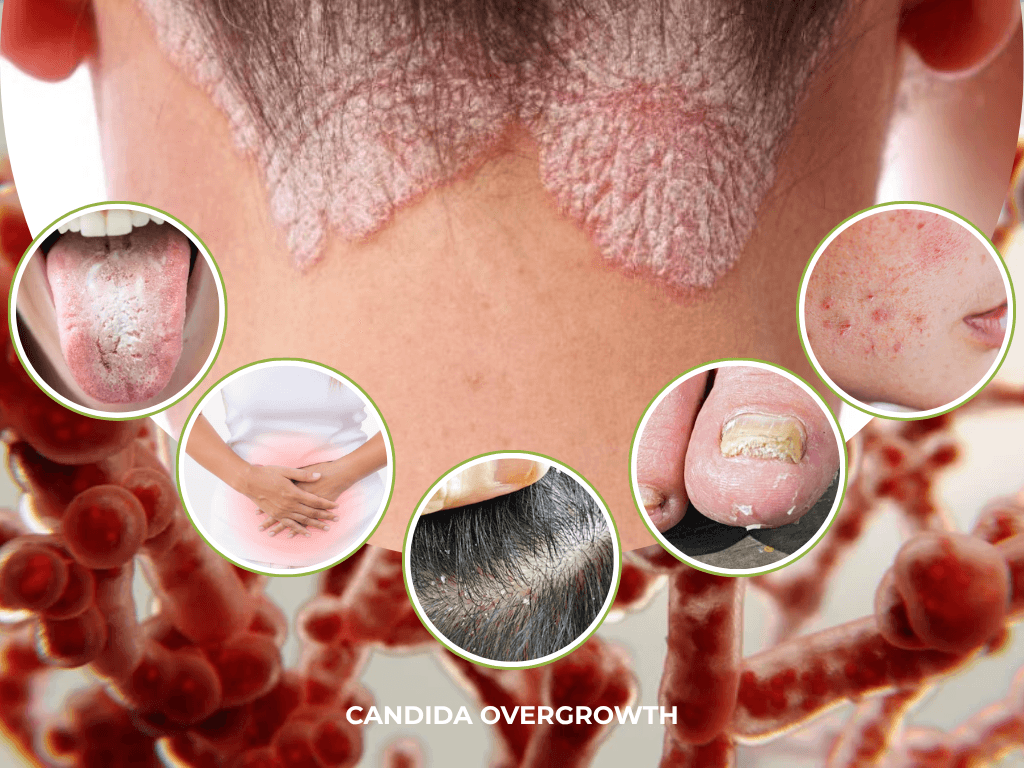
Have you ever noticed how a small health issue can suddenly become the only thing you think about? A few years ago, a friend kept talking about recurring discomfort that wouldn’t completely go away. She’d treat it, feel better for a while, and then the same problem would return. That was the first time I really heard people discussing candida beyond a quick mention at the doctor’s office.
It turns out this tiny organism is something most of us already have in our bodies. The real question isn’t whether it’s there—it’s whether it’s staying in balance.
What Is Candida?
Candida is a type of yeast that naturally lives in different parts of the body, including the mouth, digestive system, skin, and vaginal area. Under normal conditions, it exists peacefully alongside other microorganisms.
Problems usually begin when that natural balance changes. If the yeast grows faster than the body’s healthy bacteria can control it, uncomfortable symptoms may appear.
For many people, this imbalance is temporary and responds well to proper treatment.
Why Does It Sometimes Grow Too Much?
There’s rarely one single reason. Life has a funny way of stacking little factors together until your body reacts.
Some common triggers include:
- Taking antibiotics for an extended period
- A weakened immune system
- Poorly managed diabetes
- Hormonal changes during pregnancy
- Diets high in refined sugar
- Constant stress and lack of sleep
Not everyone with these risk factors develops an overgrowth, but they can increase the chances.
The Role of Gut Balance
Our digestive system contains trillions of helpful bacteria. These tiny organisms help keep yeast under control.
When those beneficial bacteria are reduced—often after antibiotics or illness—it creates extra room for yeast to multiply. That’s one reason many healthcare providers recommend supporting gut health during recovery.
Common Symptoms to Watch For
Symptoms depend on where the yeast overgrowth occurs.
Oral Thrush
This may include:
- White patches inside the mouth
- Soreness
- Difficulty swallowing in more severe cases
Vaginal Yeast Infection
Many women experience:
- Itching
- Burning
- Thick white discharge
- Irritation during urination
Skin Infections
Warm, moist areas of the body may develop:
- Red rashes
- Itching
- Cracked skin
- Small bumps around the affected area
Because these symptoms can resemble other conditions, self-diagnosis isn’t always reliable.
How Doctors Diagnose the Problem
Diagnosis usually begins with discussing symptoms and medical history.
Depending on the affected area, a healthcare provider may perform:
- A physical examination
- A swab sample
- Laboratory testing
- Blood tests in more serious situations
Getting the right diagnosis matters because several bacterial or skin conditions can look surprisingly similar.
Treatment Options
Treatment depends on where the infection occurs and how severe it is.
Doctors commonly recommend:
- Antifungal creams
- Oral antifungal medication
- Medicated mouth rinses for oral infections
- Prescription vaginal treatments
It’s important to finish the prescribed treatment, even if symptoms improve quickly. Stopping too soon can sometimes allow the infection to return.
Can Diet Help?
People often debate whether changing their diet makes a difference.
While no single eating plan guarantees results, many people feel better by focusing on:
- More vegetables
- Plain yogurt with live cultures
- Whole grains
- Lean proteins
- Less added sugar and heavily processed foods
Healthy eating supports the body’s natural balance, even if it isn’t a standalone cure.
Everyday Habits That May Lower Your Risk
Simple habits can go a long way.
Try to:
- Wear breathable cotton underwear
- Change out of wet clothing promptly
- Avoid unnecessary antibiotic use
- Keep blood sugar under control if you have diabetes
- Practice good oral hygiene
- Get enough sleep whenever possible
None of these are magic solutions, but together they support overall health.
When It’s Time to See a Doctor
Some infections clear up with proper treatment, but recurring symptoms deserve medical attention.
You should consider seeing a healthcare provider if:
- Symptoms keep returning
- Pain becomes severe
- You develop a fever
- You’re pregnant and notice signs of infection
- Over-the-counter treatments aren’t helping
Persistent infections may point to an underlying condition that needs further evaluation.
Living Well Without Constant Worry
Hearing the word candida can sound intimidating at first, but for most people, it’s a manageable issue rather than a lifelong problem.
Our bodies are surprisingly good at maintaining balance when we support them with healthy habits, proper medical care when needed, and a bit of patience. If symptoms appear, getting an accurate diagnosis early often makes treatment much easier.
Frequently Asked Questions
Is Candida always harmful?
No. It normally lives in the body without causing problems. Issues arise only when it grows beyond healthy levels.
Can antibiotics increase the risk?
Yes. Antibiotics can reduce beneficial bacteria, allowing yeast to multiply more easily.
Is a yeast infection contagious?
Most yeast infections aren’t considered highly contagious. Still, it’s best to follow your healthcare provider’s advice regarding treatment and sexual activity.
Can stress make symptoms worse?
Stress doesn’t directly cause yeast overgrowth, but long-term stress may affect the immune system, making it harder for the body to maintain balance.
Can the infection come back?
Yes. Recurrence is possible, especially if underlying risk factors aren’t addressed. That’s why identifying the root cause is just as important as treating the symptoms.
Read More Informative Blogs: crawlthestory.com
